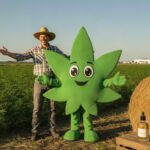

Cannabis culture overview
Cannabis culture blends living-soil farming, music, and community into everyday practices and rituals. MyCBDAdvisor approaches this topic with research-driven clarity and an inviting voice.
Across mountain farms and coastal fields, growers tend living soils with compost, mulch, and microbial care. They avoid synthetic inputs and use sub-irrigation and mulches to conserve water and protect soil life. Regenerative soil practices improve nutrient cycling, flavor complexity, and ecological resilience in craft cannabis. See regenerative soil management and soil health principles for evidence.
Festival communities translate those farm values into music-fueled gatherings and artisan markets. They model transparency, harm reduction, and local trade while strengthening social bonds and small economies.
- Living soil practices: compost-based fertility, microbial stewardship, water-saving methods.
- Festival culture and community: music-driven gatherings, artisan markets, and resilient local economies.
Quick summary: living soil and festivals
Cannabis culture centers on living soil stewardship, festival driven cultural exchange, and market shifts that favor craft brands and sustainable sourcing.
- Living soil stewardship improves soil microbiomes, boosts water retention and plant resilience, and is associated with richer terpene and cannabinoid profiles according to a soil quality study and microbial inoculant research.
- Festivals drive cultural exchange through workshops, markets, and rituals that normalize consumption, spread regenerative practices, and build direct markets for small growers as shown in a festival attendance study.
- Market and brand impacts include stronger demand for artisan products, traceable sourcing, and sustainability narratives that convert community trust into local economic support and product differentiation.
Living-Soil Organic Farming in Cannabis Culture
Living-soil organic farming centers the soil microbiome and organic matter to support cannabis health and flavor. This regenerative approach is sometimes called microbiome-driven cultivation or organic terroir and emphasizes long-term soil resilience.
Key practices
Growers foster biologically active media using compost, aged organics, and cover crops. They minimize synthetic fertilizers and avoid heavy tillage so fungi and bacteria can establish. Common techniques include:
- Building compost-rich potting mixes and top-dressing with aged compost
- Using mulches and cover crops to protect soil and suppress weeds
- Conserving water with sub-irrigation and drip systems
- Introducing beneficial microbes through inoculants and mycorrhizae
Primary benefits
Healthy living soils recycle nutrients, improve plant immune responses, and boost water retention. These changes reduce runoff, limit chemical pollution, and help plants express more complex terpenes and balanced cannabinoid profiles.
Evidence
Research links soil management and microbial amendments to altered cannabinoid and terpene outcomes, though results vary by cultivar and environment. Field comparisons of cover-crop versus conventional soils and controlled inoculation trials both suggest soil biology matters (see PMC cover-crop study) and (see PMC microbial consortia study), yet neither proves a universal effect across all genetics.
Actionable inputs and tips
Start simple and test at small scale before scaling up. Practical inputs include:
- Compost tea brewed 24 to 48 hours for microbial drench applications
- Worm castings as a nutrient-rich top-dress at transplant
- Arbuscular mycorrhizal inoculants to improve root uptake
Sources
- Impact of Soil Quality on Cannabinoid and Terpenoid Content
- Enhanced production of select phytocannabinoids using microbial consortia

Reggae Rock Festival Communities and Cannabis Culture
These music gatherings often trace back to regional regenerative soil stewardship practiced by nearby growers. That relationship turns farming methods into stories attendees can experience and learn about.
- Pannels and educational talks that highlight organic growing, terroir, and sourcing transparency, connecting consumers to farm practices and stewardship.
- Artisan markets where small growers and makers sell craft flower, hemp goods, and eco packaged products, creating direct market access for local brands.
- Harm reduction workshops and on site drug checking that teach safer use, dose awareness, and peer support, reducing risks at large events study of outdoor music festivals in Colorado.
- Community aid and mutual support networks that provide emergency care, mutual aid, and resources for camping attendees, strengthening social bonds.
- Cultural rituals, music driven gatherings, and communal dancing that normalize plant traditions and amplify craft narratives European cannabis festivals study.
At one coastal reggae festival a vendor showed how they brew compost tea and a camper bought a jar while asking how it affects terpene aroma. The vendor explained that compost teas feed microbes which many small scale growers link to more expressive scent profiles.
Comparison of Living-Soil Organic vs Conventional Cannabis Farming
Cannabis culture: living-soil organic farming and reggae-rock festival communities inform distinct approaches to cultivation and community. Below the table compares living-soil organic and conventional cannabis farming across core criteria for easy comparison.
| Aspect | Living-Soil Organic | Conventional Cannabis Farming |
|---|---|---|
| Environmental impact | Low and regenerative; sequesters carbon and limits runoff | Higher chemical runoff and larger energy footprint |
| Soil health and biodiversity | Rich microbiome from compost, fungi, and microbes | Soil often depleted; relies on synthetic inputs |
| Plant quality and flavor | Emphasizes terpene complexity, nuanced aroma, craft quality | Faster yields but more uniform flavor and aroma |
| Cannabinoid and terpene expression | Often more complex terpene profiles reported by growers | Consistent cannabinoid levels but sometimes reduced terpene diversity |
| Water and resource use | Efficient, uses mulches and sub-irrigation to save water | Higher irrigation and synthetic fertilizer demand |
| Community values and transparency | Locally rooted, stewardship focused, traceable sourcing | Industrial scale, less transparent supply chains |
Cannabis culture: living-soil organic farming and reggae-rock festival communities
Cannabis culture: living-soil organic farming and reggae-rock festival communities unite environmental care, music, and everyday lifestyle across landscapes. These movements promote soil stewardship, local economies, and communal rituals that build social bonds and resilience.
Because living-soil methods enhance soil health and terpene complexity, and festivals spread values of transparency, harm reduction, and sustainable consumption through panels, artisan markets, and workshops, the combined cultural force reshapes markets and norms while supporting small growers, artisan brands, and regenerative practices across regions and generations.
Therefore, MyCBDAdvisor offers research-backed guidance at MyCBDAdvisor, and the future of this cannabis culture looks brighter and more inclusive.
Frequently Asked Questions (FAQs)
What is living-soil organic farming?
Living-soil organic farming builds a biologically active medium with compost, worms, and microbes. It relies on organic inputs rather than synthetics. Because microbes cycle nutrients, plants gain nutrition and resilience. This method forms the ecological foundation for Cannabis culture: living-soil organic farming and reggae-rock festival communities by emphasizing soil health.
How does living soil affect cannabis quality?
Living soil enhances plant health and flavor by supporting microbes that aid nutrient uptake. As a result, flowers often display richer terpene complexity and aroma and balanced cannabinoid profiles. Furthermore, improved water retention and natural disease suppression reduce chemical inputs, which many growers link to more expressive, craft-level cannabis experiences.
Why do reggae-rock festivals embrace cannabis culture?
Reggae-rock festivals embrace cannabis culture because music and plant traditions share roots in resistance, healing, and community. Attendees exchange knowledge on sustainable sourcing, living-soil methods, and harm reduction at workshops and vendor stalls. As a result, festivals normalize cannabis, strengthen bonds, and create markets for artisan growers and local vendors.
Can living-soil farming reduce environmental impact?
Yes. Living-soil farming reduces environmental impact by increasing carbon sequestration, enhancing water retention, and reducing chemical runoff. Therefore farmers use fewer synthetic fertilizers and less irrigation. Moreover organic practices preserve biodiversity and soil structure. Over time, these methods rebuild degraded land and support resilient, low-impact cannabis production for local communities.
How do these communities support small growers and brands?
Festival communities and living-soil movements support small growers by creating direct markets, storytelling platforms, and cooperative networks. They promote transparency with farm-to-table narratives and educational workshops. As a result, small brands gain trust, access to loyal customers, and resources for regenerative practices, which strengthens regional economies and cultural sustainability today.