Introduction
Gen Z’s turn to cannabis and CBD for mood relief is rising and has become a public health concern. Many young adults report using plant-based products to manage low mood, insomnia, and anxiety instead of formal care because of accessibility and stigma.
National data show rising depressive symptoms among adolescents and young adults; the CDC documents high rates of persistent sadness among teens as part of its adolescent mental health resources CDC adolescent mental health. The National Institute of Mental Health summarizes depression symptoms and treatments NIMH depression overview. We will review prevalence and patterns, compare product risks versus benefits, and offer clinician guidance and practical questions to raise with providers.
Gen Z cannabis self-medication often produces short-term relief yet rests on mixed evidence and potential harms, so clinicians, families, and young people need clear, actionable guidance and safer care pathways.
What is Gen Z depression and cannabis self-medication?
Young adults using cannabis or CBD outside formal care to cope with depressive symptoms, also called self treatment or plant based coping.
- CBD products are mostly non intoxicating; legal and quality rules vary for hemp derived formulations, and they can interact with medications.
- THC containing marijuana is intoxicating, more likely to increase anxiety or cause cognitive impairment, and carries higher dependence and functional risk.
In a national survey of more than 18,000 U.S. adults, analysts documented widespread cannabis and CBD self medication among Gen Z national survey of more than 18,000 U.S. adults and an analysis of the national poll.
What causes depression in Gen Z?
Gen Z depression stems from converging social, biological, and access risks that raise symptom burden in young adults. Rates of sadness, anxiety, and disrupted routines are higher than prior generations.
- Social media and online pressure: Frequent comparison to curated feeds can erode self worth and increase anxiety. The APA review of social media effects on youth documents links between heavy online use and worsened mood in adolescents: APA review on social media effects.
- Economic and academic stress: Financial strain, job uncertainty, and school pressure increase chronic stress and lower resilience.
- Sleep disruption and circadian changes: Poor sleep and irregular schedules alter mood regulation and raise risk.
- Trauma and adverse childhood experiences: Abuse, violence, or loss strongly predict later depressive disorders and functional decline.
- Social isolation and loneliness: Reduced in person contact and weakened community ties remove protective supports.
- Barriers to care and stigma: Limited access, cost, and mistrust of clinicians lead many to delay evidence based care. The CDC adolescent mental health page outlines these access gaps and national trends: CDC adolescent mental health page.
- Substance use and coping behaviors: Some Gen Z use alcohol, cannabis, or CBD to cope, which can complicate symptoms and treatment.
Taken together, these factors create a high risk environment for depressive symptoms among Gen Z. These risk factors help explain why some young adults turn to self-medication with cannabis or CBD. Clinicians and families should address social, biological, and access barriers together.
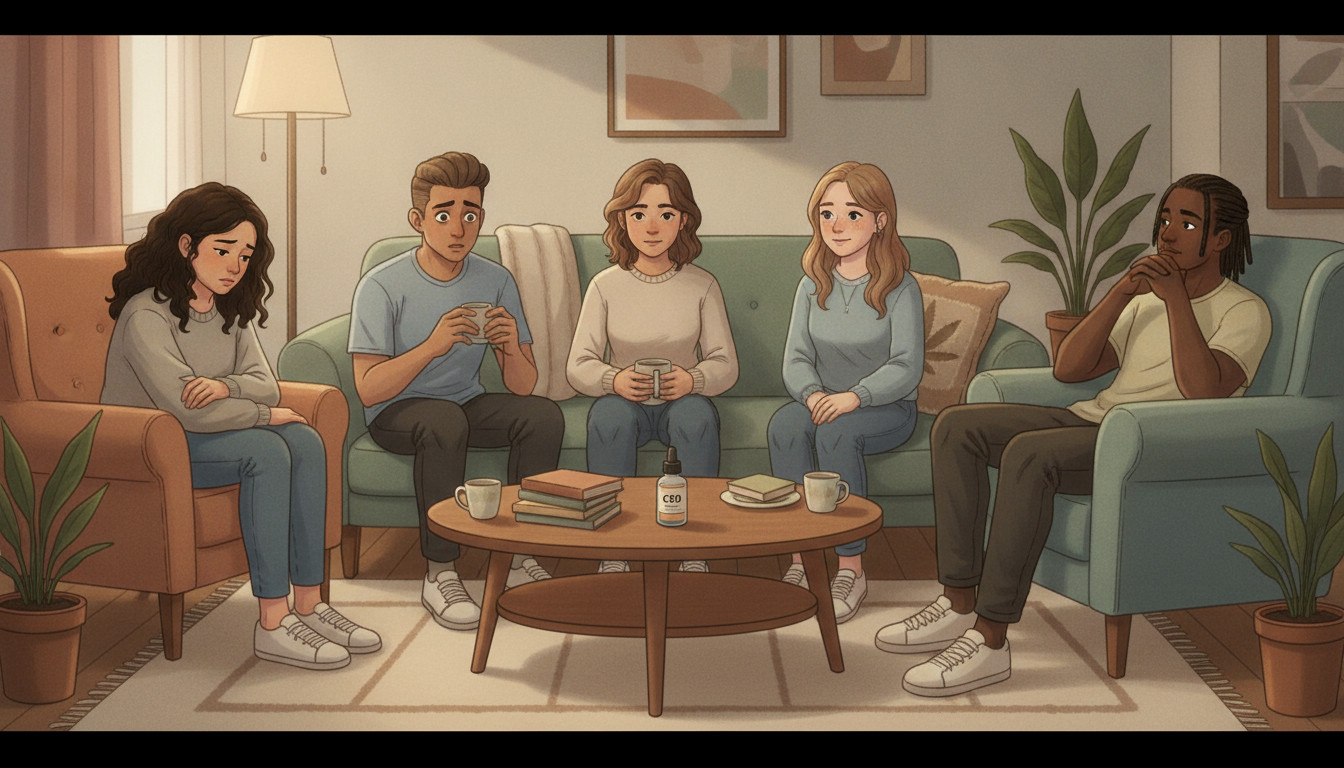
How do Gen Zers use cannabis for depression?
This brief data driven introduction examines Gen Z cannabis self-medication for mood and sleep. It focuses on reported patterns, preferred products, and the quality of available evidence.
One large population based survey found about 40 percent of respondents used cannabis for depression and 46 percent used it for sleep (population based survey). For broader reviews see the population analysis of self medication systematic review and survey synthesis and the evidence overview on cannabis and mood research summary.
Common patterns and reasons
- Symptom focused coping: Young adults often choose cannabis or CBD to manage low mood, insomnia, and social anxiety when formal care feels slow or inaccessible.
- Habitual and situational use: Some use cannabinoids daily for persistent symptoms while others use them only in high stress moments or before sleep.
- Peer and cultural influence: Social acceptance and online communities normalize self treatment and shape product choices.
Products Gen Z favors
- CBD tinctures and gummies: Popular for perceived relaxation and sleep without obvious intoxication.
- Low THC microdose products: Used to attempt mood effects with less impairment.
- Recreational marijuana: Chosen for stronger short term relief but carries higher risk of anxiety and dependence.
Perceived benefits and risks
- Short term mood lift: limited observational evidence
- Improved sleep: mixed randomized and observational evidence
- Anxiety reduction with CBD: low to moderate evidence from small trials
- Worsened mood or dependence with high THC: moderate evidence linking regular high THC to poorer outcomes
Cannabis Products for Gen Z Depression
THC microdosing for depression and CBD drug interactions are common concerns among Gen Z choosing plant based options for mood. Quick summary: this table and product cards cover cannabis and marijuana options young adults commonly use for depression, highlighting THC percentage concerns, microdosing approaches, and potential drug interactions.
| Product Type | Typical Use | Benefits | Risks | Recommended starting dose | Legal Status |
|---|---|---|---|---|---|
| CBD oil and tinctures | Taken orally for anxiety, sleep, and mild mood support | May reduce anxiety and aid sleep in the short term; non intoxicating for most users | Variable quality and dosing; can cause drug interactions with prescription medicines. Start low, go slow; consult clinician | 10-25 mg CBD | Federally legal if hemp derived and <0.3% THC; state rules vary |
| THC edibles | Eaten for stronger mood lift, relaxation, or sleep | Longer lasting effects and stronger short term symptom relief | Overconsumption and delayed onset; higher THC percentage raises anxiety and dependence risk. Start low, go slow; consult clinician | 2.5 mg THC | Legal in states with recreational cannabis; illegal federally |
| Vape cartridges and pens | Fast onset inhalation for acute symptom relief or microdosing | Rapid relief; suitable for microdosing low THC products | Risk of lung injury from illicit cartridges, tolerance and dependence. Start low, go slow; consult clinician | Microdose: 1-2 puffs or 1-2 mg THC equivalent | Legal when sold in regulated state markets; federal restrictions apply |
| Dried flower (smoked) | Smoked for immediate effects and social use | Quick symptom relief and familiar form for many users | Respiratory harms and higher THC exposure can worsen mood and cognition. Start low, go slow; consult clinician | Microdose: 1-2 small puffs | Legal in many states for adult use; illegal federally |
CBD oil practical tip
Verify third party lab testing and follow the recommended starting dose. Check for drug interactions and review guidance from the FDA on CBD safety FDA on CBD safety.
THC edible practical tip
Treat edibles like medicine because effects are delayed and long lasting; begin with a low dose and wait at least two hours before re dosing. Watch for drug interactions and consult the NIH overview on cannabis for broader safety context NIH overview on cannabis.
Vape cartridge practical tip
Prefer regulated products, limit puffs when microdosing, and avoid illicit cartridges that can cause lung injury. Monitor for drug interactions with other medicines and keep use occasional rather than daily.
Dried flower practical tip
If choosing smoked flower, minimize frequency to reduce respiratory and mood risks and favor lower THC strains for mood management. Remember to watch for drug interactions and discuss use with a clinician before combining with prescribed treatments.
CONCLUSION
Gen Z shows high rates of depression and significant use of cannabis and CBD to self treat symptoms. The data suggest many young adults choose plant based products outside clinical care, and patterns vary by product and intent. Therefore we must view self medication as a complex public health issue.
Make decisions based on evidence, and consult a qualified clinician before starting or changing any regimen. Because cannabis can interact with medications and affect mood, professional guidance matters. Also consider therapy, medication, sleep, and lifestyle changes as proven options for mental wellness.
If you want research summaries and practical product guidance, visit mycbdadvisor.com for balanced, data driven resources. We encourage families and providers to ask open questions and support safer care pathways. If you or someone you love is in crisis, seek immediate help from local emergency services or a crisis line.
Frequently Asked Questions (FAQs)
Is using cannabis or CBD safe for Gen Z with depression?
Many young people use cannabis and CBD to cope, and safety varies by product and dose. Because of high THC levels, some forms increase anxiety or worsen mood for certain users. CBD may carry fewer immediate psychoactive effects, however it can interact with medicines. For clinical guidance on depression and treatment options, see the National Institute of Mental Health.
Does cannabis or CBD actually help depression?
Some users report short term mood improvement and better sleep. However research shows mixed results, and benefits often differ by product, dose, and individual. Therefore clinicians do not consider cannabis a proven first line depression treatment. Always combine evidence with professional advice.
What legal issues should Gen Z know about?
Legal status depends on state and product type. For example, hemp derived CBD under 0.3 percent THC has different rules than recreational marijuana. Because laws change, check local regulations and avoid illegal sources to reduce safety risks. For youth focused data see CDC youth mental health resources.
Can cannabis use worsen long term mental health?
Regular high THC use can raise the risk of dependence and cognitive effects. Also, some studies link heavy adolescent cannabis use with later mood symptoms and worse outcomes. Thus young people should weigh short term relief against possible long term harms, and monitor changes carefully.
When should someone with depression seek professional help?
Seek help immediately if mood problems disrupt school, work, or relationships. Also contact a clinician if cannabis or CBD no longer helps or if you notice worsening symptoms. If you experience suicidal thoughts or severe impairment, call emergency services or a crisis line at once.
Related on CBD Advisor
- How will uplisting influence Cannabis industry updates 2026
- US state cannabis regulation and policy updates (2026): impact
- Why Consistency in cannabis genetics from Hypno Seeds matters