Oklahoma medical cannabis revote could reshape who gets care and how officials regulate the market. This unexpected re-vote matters because it may change patient access, business rules, and safety standards. Governor Kevin Stitt called the industry a threat to public safety and urged a new vote. However, supporters argue the 2018 ballot measures reflected voter intent and expanded the medical cannabis program. As a result, the outcome could alter dispensary rules, licensing, and inspections across the state.
For patients, the stakes are practical and immediate because clinics and pharmacies face different availability. Lawmakers, regulators, and entrepreneurs will watch the vote closely for changes to the state question and oversight. At the same time, the debate will highlight tensions about out-of-state activists, regulatory approach, and public safety.
This article explains the revote background, explores policy options, and outlines potential effects for patients and providers. Read on to understand what could change and why it matters to Oklahoma residents.
Background: Oklahoma medical cannabis revote
The governor’s 2026 State of the State renewed calls for a re-vote. Kevin Stitt said the medical cannabis industry posed a threat to public safety. He argued that the 2018 vote had been influenced by out-of-state activists. He urged voters to reconsider the program. Read his full remarks here: Governor Kevin Stitt’s 2026 State of the State.
The original reforms passed in 2018 with nearly 57 percent support. They created one of the country’s most open medical cannabis programs. As a result, dispensary numbers rose quickly across the state. Critics say growth outpaced the state’s ability to regulate, while supporters say the law expanded patient access. Local reporting captures the political pushback and public debate: Oklahoma Chronicle article.
Why the Oklahoma medical cannabis revote is happening
In short, key drivers include:
- Public safety concerns voiced by state leaders, especially the governor
- Claims that out-of-state groups helped shape the 2018 ballot outcome
- Rapid growth in dispensaries compared with pharmacies and clinics
- Gaps in licensing, inspections, and enforcement that regulators must fix
- Pressure from voters and lawmakers for clearer rules and oversight
Legislative challenges have added complexity. Lawmakers must decide whether to tighten rules or reconfirm the voter decision. For instance, Sen. Lonnie Paxton has pushed for stronger oversight instead of outright repeal. Drafting a new state question faces legal and procedural hurdles, and courts may play a role. See analysis and reactions here: Analysis on legislative challenges.
Public sentiment remains split along practical and political lines. Patients worry about losing access to treatments they depend on. Meanwhile, small business owners and investors fear sudden shutdowns. As a result, many stakeholders call for measured regulatory reforms rather than abrupt change.
This background sets the stage for the rest of the article. The next sections will explore policy options, likely outcomes, and what changes would mean for patients and providers.
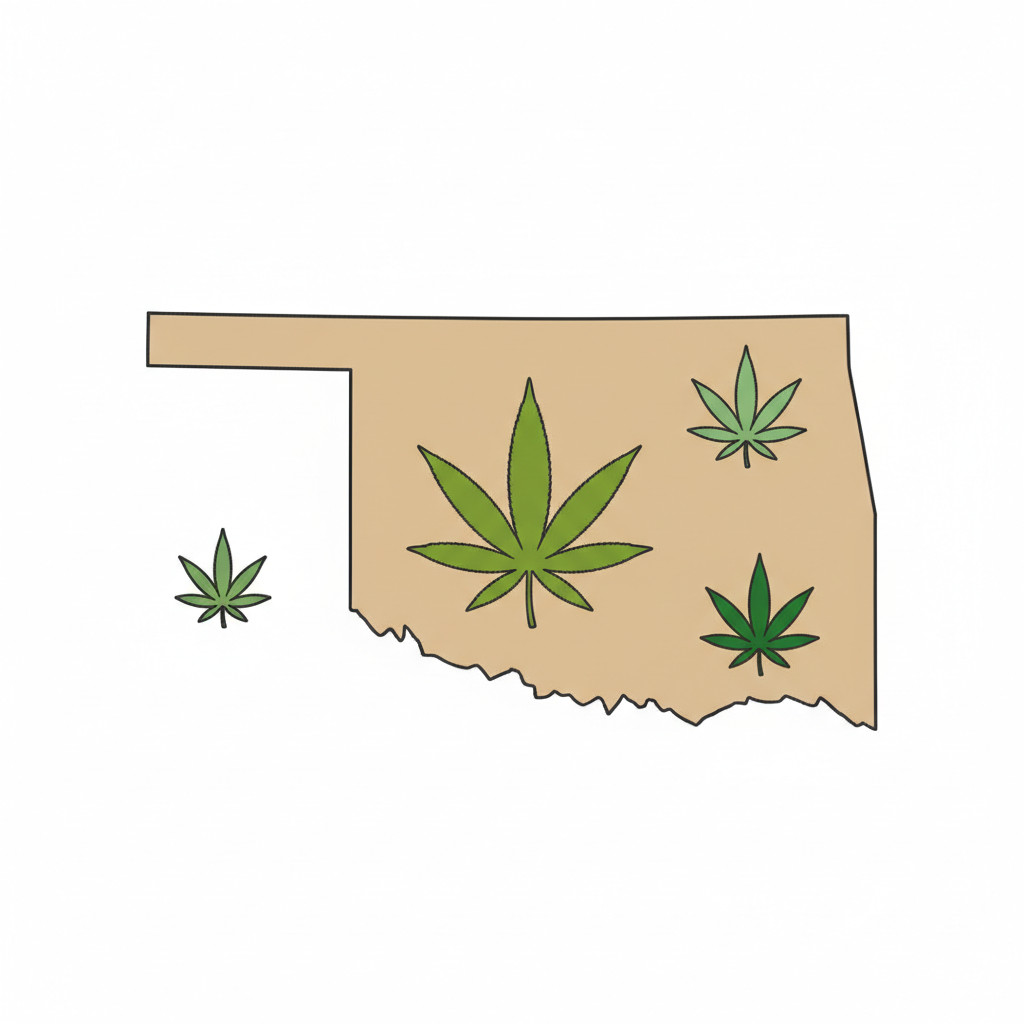
What the Oklahoma medical cannabis revote means for patients
A re-vote could change how patients access medicine and pay for it. First, some patients may face temporary clinic or dispensary closures. As Governor Kevin Stitt warned, the industry grew quickly after 2018 and regulators struggled to keep up. See his remarks here: Governor Stitt’s Remarks.
Second, changes to the state question could alter registration rules. Therefore, patients might need to reapply for cards or meet new qualifying conditions. For vulnerable patients, that creates friction and higher costs. However, advocates argue that careful rollouts can reduce disruption while improving safety.
Key patient risks and outcomes
- Temporary loss of access if dispensaries close or lose licenses
- New qualifying conditions or medical standards for registrations
- Higher out-of-pocket costs from stricter supply limits
- Disruption of caregiver and delivery systems used by homebound patients
Evidence shows patient anxiety is real. Many Oklahomans rely on medical cannabis for chronic pain, PTSD, and other conditions. As a result, advocacy groups push for protections that exempt existing patients from abrupt changes. Local reporting captures community concerns and political debate: Local Reporting on Community Concerns.
Impact on the local cannabis industry: Oklahoma medical cannabis revote
The industry faces regulatory tightening, license audits, and possible market shrinkage. For example, officials have said there are more dispensaries than pharmacies. Therefore, lawmakers may favor stricter zoning and licensing limits. Senator Lonnie Paxton urged stronger oversight instead of repeal, saying We cant put a band-aid on a broken bone.
Potential industry outcomes
- Consolidation as small operators sell or close under new rules
- Increased compliance costs for testing, tracking, and inspections
- Job losses in retail and cultivation during transition periods
- Investor uncertainty and tighter lending for cannabis businesses
Experts recommend phased implementation and grandfathering to reduce harms. For instance, targeted inspections, clearer licensing standards, and timelines can protect patients and maintain public safety. Finally, stakeholder input matters because balance will shape both care access and industry viability. For more legal and policy analysis, see advocacy coverage here: Legal and Policy Analysis.
Policy comparison: Oklahoma medical cannabis revote
| Policy Aspect | Before Revote | After Revote |
|---|---|---|
| Legal status | State legalized medical cannabis via the 2018 ballot measure | Could be narrowed, modified, or reconfirmed by a new state question |
| Patient access | Broad access with many dispensaries and minimal limits | Likely tighter access, possible closures, and reapplication requirements |
| Licensing and dispensaries | Rapid growth and many small licenses issued | Caps on new licenses, stricter vetting, audits, and possible consolidation |
| Qualifying conditions | Wide list and physician discretion common | Narrowed conditions, stricter documentation, and clearer medical standards |
| Regulatory oversight and inspections | Limited inspections and uneven enforcement capacity | Increased inspections, stronger enforcement, and clearer agency authority |
| Product testing and safety | Testing requirements varied and inconsistent | Mandatory testing, batch tracking, and higher safety standards |
| Zoning and local control | Local rules limited early; dispensaries widespread | Greater local zoning authority and buffer rules near schools |
| Registration process | Simple patient registry and card system | Reformed registry, new identity checks, and possible reapplication |
| Taxes and fees | Lower fees and light taxation on sales | Higher fees, new license costs, and possible excise taxes to fund oversight |
| Transition protections | Few formal grandfather clauses; risk for operators | Potential grandfathering, phased timelines, and stakeholder protections |
The Oklahoma Medical Cannabis Revote
The Oklahoma medical cannabis revote could reshape patient access, business rules, and safety standards across the state. In short, the vote addresses concerns about rapid dispensary growth and uneven oversight. Lawmakers may tighten licensing, testing, zoning, and registration processes. As a result, patients, small businesses, and regulators will face change and uncertainty. This article summarized background, stakeholder views, and possible policy outcomes. However, change should be balanced to protect patients.
MyCBDAdvisor remains committed to clear, research-driven guidance for readers. We provide evidence-based analysis on policy, products, and patient access. Visit MyCBDAdvisor for ongoing updates, expert resources, and practical advice. Stay informed because the revote will shape care and industry practices for years. Our team will track developments and explain what changes mean for Oklahoma residents. We encourage readers to engage in local discussions and contact officials.
Frequently Asked Questions (FAQs)
What is the Oklahoma medical cannabis revote?
The revote is a new public vote on the state question that created Oklahoma’s medical cannabis program. It asks voters to reaffirm, modify, or repeal the rules first approved in 2018. Lawmakers and officials proposed the revote after concerns about rapid industry growth and gaps in regulatory enforcement emerged.
Why is the state holding a revote now?
Officials cite public safety and regulatory concerns. Governor Kevin Stitt and others said the program expanded faster than oversight. As a result, leaders argued the original 2018 vote was influenced by outside groups. Therefore, they pushed for clearer laws, stronger inspections, and limits on dispensaries.
How could the revote affect patients who rely on medical cannabis?
Patients may face changes to access, registration, and cost. For example, new rules could require reapplication or stricter qualifying conditions. However, policymakers can adopt phased timelines and grandfather protections to reduce disruption. Patients should prepare by keeping medical records and tracking registry deadlines.
What will happen to local cannabis businesses and workers?
The industry could see consolidation, stricter licensing, and higher compliance costs. Small operators may sell or close under new rules. As a result, some jobs could be lost in the short term. Meanwhile, companies that invest in testing and compliance may gain market advantage.
How can residents stay informed and take action?
Follow official state notices and local news for ballot language and timelines. Contact your state representatives to share concerns or support. For ongoing, research driven updates and practical guidance, visit MyCBDAdvisor. Finally, register to vote and review the exact state question before the election to make an informed choice.
Frequently Asked Questions (FAQs)
What is the Oklahoma medical cannabis revote?
The revote asks voters to reaffirm, modify, or repeal the 2018 state question that created Oklahoma’s medical cannabis program.
Why is the state holding a revote now?
Officials cite public safety and rapid industry growth that outpaced oversight. Leaders say the 2018 vote involved outside influence and want clearer rules.
How could the revote affect patients who rely on medical cannabis?
Patients may face reapplication, stricter qualifying conditions, temporary service disruptions, or higher costs. Phased rollouts and grandfathering can reduce harm.
What will happen to local cannabis businesses and workers?
Expect tighter licensing, consolidation, higher compliance costs, and possible short-term job losses. Businesses that invest in compliance may gain market advantage.
How can residents stay informed about ballot language, deadlines, and local forums?
Monitor official state election sites, county election boards, local news, and trusted resources like MyCBDAdvisor. Sign up for alerts and review the exact ballot text before voting.
How can residents participate besides voting?
Attend public hearings, contact state representatives, join local advocacy groups, submit comments during rulemaking, and volunteer or donate to campaigns.