Cannabis is more present in daily life than many people realize, from medical prescriptions to recreational conversation. As a result, questions about cannabis use and cognitive function matter to patients, families, and clinicians alike. This article unpacks recent research with a clear eye. It explains how cannabis consumption may relate to brain volume, memory, and learning. We use plain language and careful science so readers can make informed choices.
The new University of Colorado study analyzed tens of thousands of adults. It compared no use, moderate use, and high use groups. Importantly, moderate use often linked with larger brain volumes and better cognitive performance. However, high use showed some advantages in the right amygdala and visual memory. Still, researchers also warned that lifetime grouping gives an imperfect picture of actual dose-dependent effects. Therefore, we will review the study methods, key findings, and limits. In addition, we will discuss what this evidence means for aging, dementia risk, and everyday thinking. By the end, you will have a balanced view that blends data with practical context.
Cannabis use and cognitive function: What the evidence says
Research increasingly examines how cannabis affects thinking. Recent work from CU Anschutz used UK Biobank data of 26,362 adults aged 40 to 77. It compared no use, moderate use, and high use groups and looked at brain volume and performance. The study found moderate use often linked with larger brain volumes and better cognition. However, high use showed specific gains in the right amygdala and visual memory. As lead author Anika Guha noted, “In this study, we did see that most of the brain regions we looked at demonstrated a positive relationship between brain volume and cognitive performance.” See the study at this study.
Key cognitive domains affected
- Memory: Cannabis can alter short term recall and episodic memory. In middle aged adults the CU study associated lifetime use with preserved volumes in memory related areas. Those preserved volumes correlated with better memory scores. However, acute intoxication often impairs immediate recall.
- Attention: Regular use may reduce sustained attention for some users, especially during active intoxication. Conversely, some older adults who used cannabis long term showed comparable attention on testing.
- Decision making: Cannabis affects risk evaluation and reaction time in some studies, yet results vary by dose and age. Dose dependent effects may explain mixed outcomes; therefore more detailed usage data are needed.
For broader context, read the systematic review at this review. Also explore how THC wellness, aroma strategies, and cognitive enhancers intersect with cannabis research at this article, this article, and this article.
How cannabinoids differ: THC, CBD, and brain health
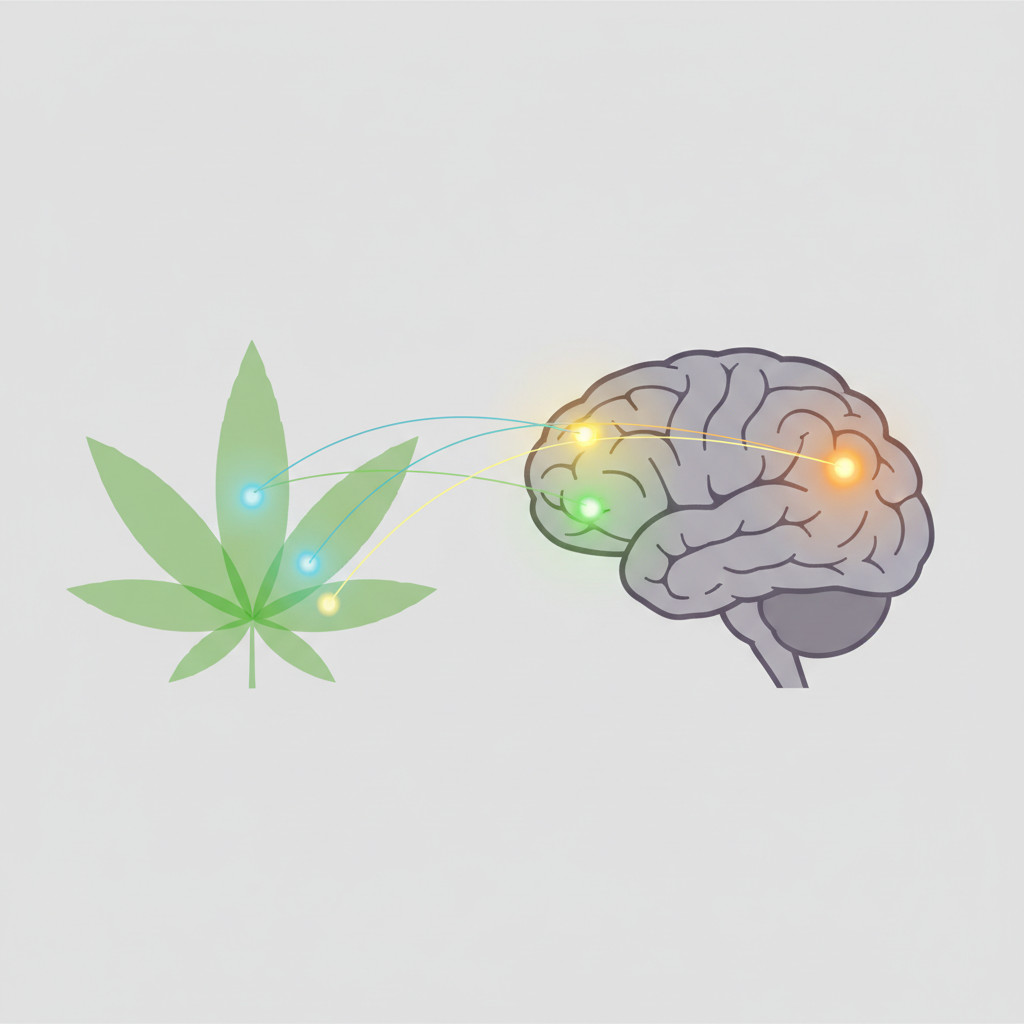
Different cannabinoids act differently in the brain. THC binds strongly to CB1 receptors and changes memory, attention, and decision making. Acute THC often impairs short term recall and slows reaction time. With frequent high dose use, some studies report lingering deficits in learning and attention. However age and dose matter, and outcomes vary.
CBD does not bind CB1 strongly, and it can reduce anxiety and inflammation. As a result, CBD may influence cognition differently than THC. Nonetheless randomized trials show inconsistent cognitive effects. Therefore more research is needed. See a recent review at this study for details.
Key distinctions and caveats
- THC effects: Acute impairment of short term memory and attention. With heavy use, possible longer term changes in specific cognitive tasks. Mechanism involves CB1 receptor modulation.
- CBD effects: Possible anxiolytic and anti-inflammatory benefits. Cognitive outcomes remain mixed across trials, and effects may depend on dose and formulation.
- THC plus CBD: The THC to CBD ratio influences outcomes. Higher CBD may reduce some THC impairments, yet results are inconsistent.
- Dose frequency and timing: Because tolerance can develop, daily high dose use differs from occasional use in cognitive effects.
- Individual variability: Age, genetics, prior trauma, medical conditions, and medication interactions shape outcomes.
As CU Anschutz researchers noted, the findings “really suggest that there are dose-dependent effects,” and “for many moderation seemed to be best.” For broader resources on how cannabis affects the brain, see the National Institute on Drug Abuse and the CU Anschutz press release.
Quick comparison: THC versus CBD and cognitive effects
| Category | THC | CBD | Notes |
|---|---|---|---|
| Memory impact | Often impairs short‑term and episodic memory, especially when acute | Generally neutral; may reduce anxiety-related memory disruption | Acute intoxication with THC causes the strongest effects |
| Attention | Can reduce sustained attention and slow reaction time | Typically minimal direct impairment; may improve focus by reducing anxiety | Effects depend on dose and timing |
| Potential for impairment | High during intoxication; risk rises with dose and frequency | Low to minimal; impairment rare at common doses | Driving and complex tasks remain risky with THC |
| Therapeutic benefits | May relieve pain, nausea, and stimulate appetite; mixed cognitive effects | Anti inflammatory and anxiolytic; potential neuroprotective effects in some studies | Clinical uses differ and require dosing studies |
| Onset and duration | Fast onset when inhaled; effects last hours | Slower onset for oral; effects vary by route and dose | Route matters for peak effects |
| Dose and frequency | Higher doses and daily use linked to larger cognitive changes | Effects are dose dependent; higher doses not always better | Tolerance and individual factors change outcomes |
| Interaction with other cannabinoids | THC effects modified by CBD and minor cannabinoids | CBD may blunt some THC impairments but evidence is mixed | Ratios and formulations matter for outcomes |
Conclusion
The new University of Colorado Anschutz analysis shows that cannabis use and cognitive function relate in nuanced ways. Moderation often appeared linked with larger brain volumes and better cognitive scores. However, some high use measures showed advantages in the right amygdala and visual memory. Therefore, simple answers do not reflect the full picture.
Research must continue because patterns of use, dose, and timing change outcomes. As CU Anschutz researchers noted, the grouping by lifetime consumption is an imperfect proxy. In addition, individual factors such as age, genetics, and health status shape effects. Consequently, one person’s benefit may be another person’s risk.
Be cautious when applying these findings to daily choices. Cannabis remains federally illegal in the United States, and acute impairment affects driving and complex tasks. Still, careful study can guide safer, evidence based use.
Frequently Asked Questions (FAQs)
Will cannabis use cause long term cognitive decline?
Research is mixed, and results depend on dose, age, and duration. The University of Colorado analysis showed that moderate use often linked with larger brain volumes and better cognitive scores. However, patterns of lifetime use were not detailed. Therefore, we cannot make a universal claim about decline.
Is moderate use safer than heavy use for thinking and memory?
For many outcome measures, moderation seemed to be best. Moderate users generally had larger brain volumes and better cognitive performance in the CU Anschutz study. Yet some high use measures showed specific advantages, so context matters.
How do THC and CBD differ in their effects on cognition?
THC tends to impair short term memory and attention when active. CBD often reduces anxiety and inflammation and shows fewer direct impairments. Combined ratios change outcomes, and evidence remains evolving.
Can older adults use cannabis without added cognitive risk?
The CU study included people aged 40 to 77 and found nuanced results. Some older adults who used cannabis showed preserved brain volumes and cognitive function. Still individual factors like health, medications, and genetics shape risk.
Is it safe to drive or operate machinery after using cannabis?
No. Acute THC causes impairment of reaction time and judgment. Therefore avoid driving and complex tasks after use, and follow local laws.