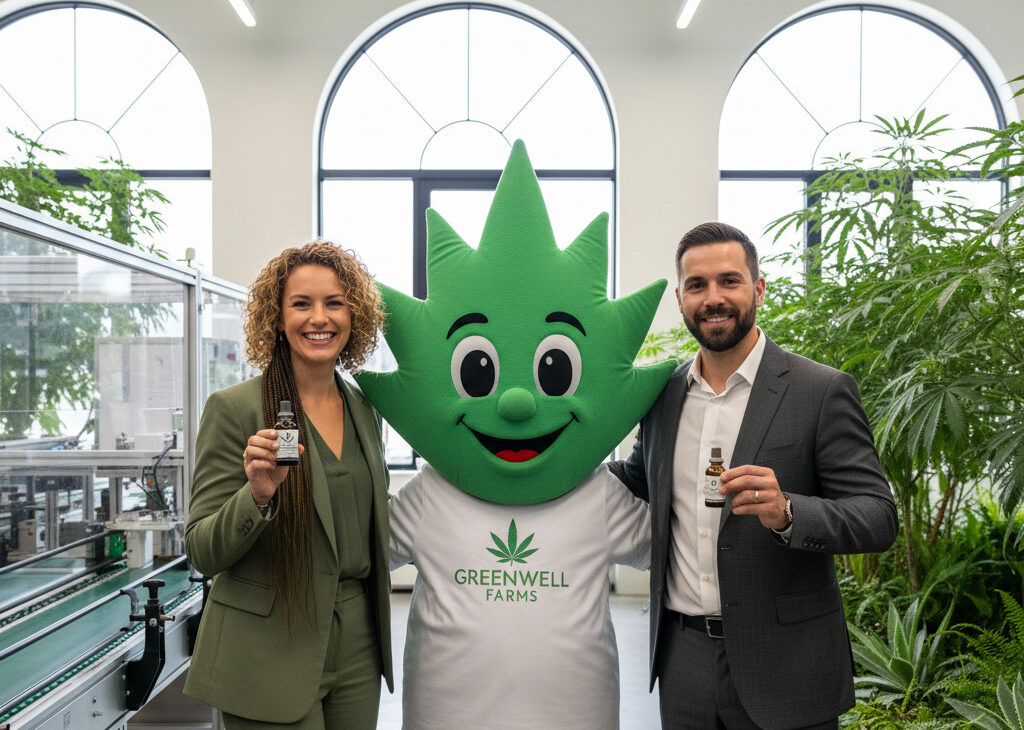
Cannabis Industry Events and Brand Development
Cannabis industry events can change a brand’s trajectory almost overnight and shape funding, partnerships, and distribution deals.
IgniteIt cannabis event partnerships and outsourcing drove honest conversations about capital strategy, AI adoption, and deal structure.
Panelists emphasized partnerships as stepping stones that provide flexibility while market entry or product pivots proceed.
Therefore, founders must weigh revenue-sharing, royalty models, and co-manufacturing carefully alongside core brand values.
Meanwhile, outsourcing can preserve margin when supported by strong quality controls and transparent contracts.
Collaboration matters because it lowers barriers to entry and accelerates learning across states and channels.
However, speakers warned that exit terms and exclusivity clauses can trap companies and destroy future upside.
As a result, financial modeling and a revenue-per-employee lens help decide when to build headcount versus outsource.
In the sections ahead, we unpack lessons from IgniteIt and offer practical steps for brands to scale responsibly.
Because AI should augment teams, leaders must invest in training and data infrastructure now.
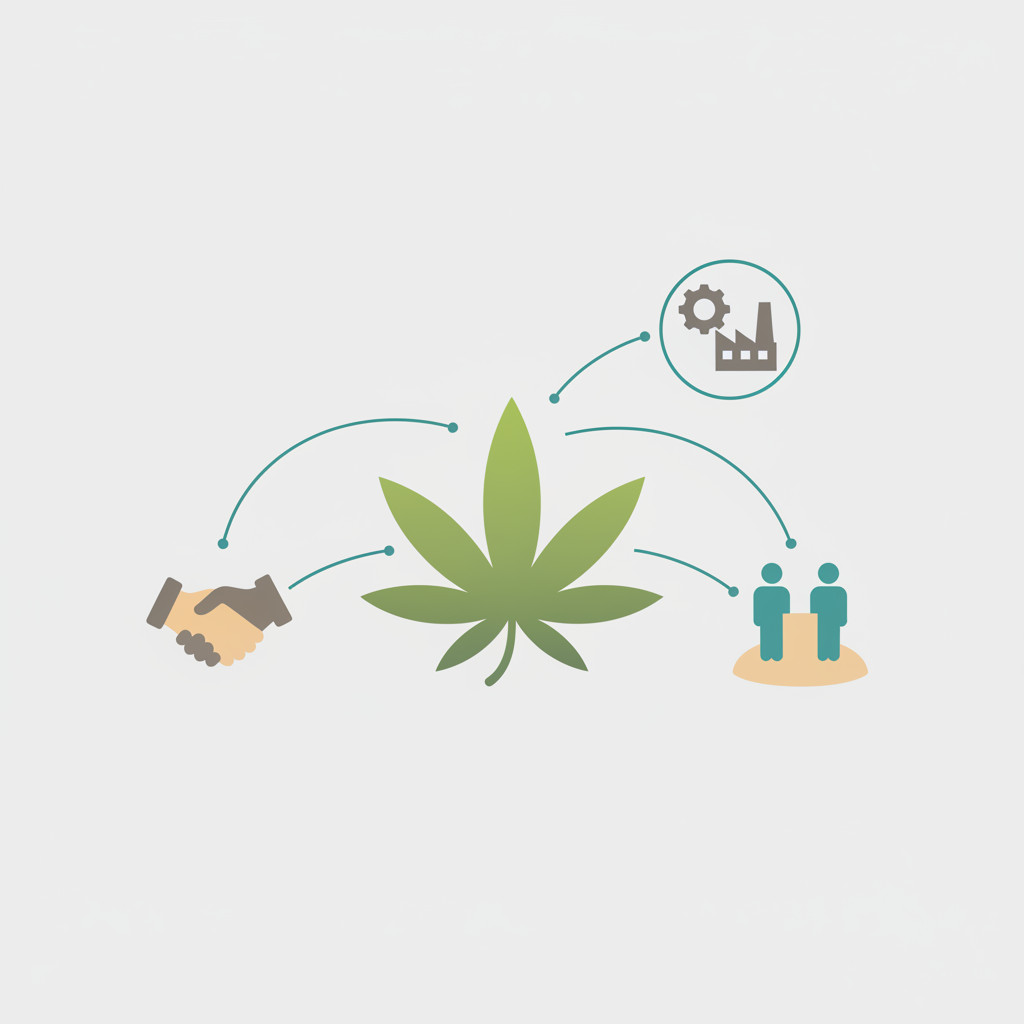
Benefits of IgniteIt cannabis event partnerships and outsourcing
Partnerships and outsourcing accelerate growth because they let brands share resources and risks. For example, co-manufacturing and co-packing reduce capital needs. They also let teams focus on brand, marketing, and product strategy. As a result, companies expand into new markets faster and with less capital.
Key benefits
- Resource sharing and cost efficiency. Outsourcing manufacturing, packaging, or R&D lowers fixed costs and conserves working capital. This helps brands scale without large capital raises.
- Faster market access. Strategic partners provide local knowledge, licensing insights, and distribution channels. Miss Grass illustrates prioritizing key states rather than chasing every market.
- Brand expansion and product tiers. Partnerships support premium high-margin products and value lines simultaneously. Therefore brands can test sleep-focused edibles or beverages without full internal buildouts.
- Talent and tech access. Outsourcing gives access to specialized teams for formulation, packaging, or data analytics. For example, ingredient and emulsion specialists such as SōRSE Technology offer product development expertise.
- Capital strategy flexibility. Revenue-sharing and royalty models let brands grow while conserving equity and cash. Thus smaller brands can gain traction without deep capital.
Challenges of IgniteIt cannabis event partnerships and outsourcing
Partnerships create opportunity, but they also introduce risk. Therefore leaders must balance speed with control.
Common challenges
- Vendor reliability and quality control. Outsourcers can miss specs or delays. This damages brand trust and retail relationships.
- Cost control and margin erosion. Poor contracts or hidden fees can reduce profits. Financial modeling must test whether outsourcing preserves margin.
- Exit terms and exclusivity pitfalls. Agreeing to territorial exclusivity can trap brands. As Howard Lee warned, bad exit clauses can cost millions and stall growth.
- Regulatory and multi-state limits. Shipping across state lines remains impractical, so partners must navigate state rules carefully.
- Reputation and credibility risk. Past contract manufacturing deals cost some brands money and goodwill. Therefore consider revenue-sharing or royalty hybrids for early-stage partners.
Practical mitigations
- Define KPIs and quality checks in contracts. Include clear exit clauses and audit rights.
- Use revenue-per-employee and unit economics to decide when to hire versus outsource.
- Run scenario-based financial models before signing deals.
- Start with pilot projects and scale only after performance proves out.
Later sections provide templates and negotiation tips to protect margin, brand, and long-term optionality.
Comparing models: IgniteIt cannabis event partnerships and outsourcing
Use this table to compare common partnership and outsourcing models discussed at IgniteIt. The table highlights features, benefits, challenges, and best use cases for quick decision making.
| Model Type | Key Features | Benefits | Challenges | Best Use Cases |
|---|---|---|---|---|
| Revenue-sharing or Royalty Partnerships | Brand retains IP; partner manufactures and distributes; payments tied to sales | Low upfront capital; shared risk; aligned incentives | Complex accounting; slower cash flow; requires audit rights and clear reporting | Early-stage brands testing product-market fit; limited capital; event-based launches |
| Co-manufacturing and Co-packing | Partner runs production; brand controls formula and branding | Speed to market; manufacturing expertise; lower CapEx | Quality variance; minimum order quantities; lead-time risk | Scaling SKUs; seasonal runs; brands prioritizing markets without new facilities |
| White-label and Contract Manufacturing | Ready formulations produced under brand label | Fastest launch; lower development cost | Limited differentiation; margin pressure; potential IP risk | Rapid category entry like beverages or edibles; pop-up product lines |
| Distribution and Retail Partnerships | Partners provide shelf space and local networks; compliance support | Faster market access; local market knowledge; reduced licensing friction | Margin cuts; exclusivity demands; uneven retail performance | Multi-state expansion; priority market rollouts; New Jersey market entry |
| Joint Venture or Equity Partnership | Shared ownership and governance; deep operational alignment | Strong capital and operational commitment; shared upside | Governance complexity; difficult exit terms; longer negotiation | Large market bets; long-term market development; strategic anchors |
| Outsourced Services (R&D, Packaging, Data Analytics) | Project-based specialists; technical or tech services | Access to expertise; flexible costs; focused capability | Vendor dependence; IP protection and integration work | Product R&D, AI analytics dashboards, packaging upgrades |
Therefore choose a model that matches capital, timeline, and control needs. Start with pilots and include clear KPIs and exit clauses.
Strategic tips for IgniteIt cannabis event partnerships and outsourcing
Choose partners who match your mission and speed to market. Because alignment reduces friction, vet cultural fit as well as capability. Also check partners’ track records on compliance and delivery.
Selecting partners and deal structures
- Define clear goals up front. For example, target market entry, margin improvement, or tech access. This makes negotiation faster and decisions clearer.
- Prefer flexible deal structures. Revenue-sharing, royalty models, and hybrids let cash-poor brands scale without giving up equity. Therefore they often suit early-stage brands.
- Ask for references and a proof of work. Verify quality, audits, and traceability before signing.
Communication and governance best practices
- Establish a single point of contact on both sides. This reduces confusion and speeds problem solving. Use weekly touch points and a shared dashboard to track KPIs.
- Document roles and responsibilities. As a result, teams stay accountable and fewer tasks fall through gaps.
- Build a review cadence. Quarterly business reviews reveal trends and allow pivots before issues grow.
Contract tips to manage risk and preserve optionality
- Insist on clear exit and termination clauses. Avoid long exclusivity terms that limit future growth. Howard Lee’s warning at IgniteIt makes this point starkly.
- Add performance milestones tied to payments. This protects cash flow and aligns incentives.
- Keep IP and formulation rights clear. If you plan to scale, retain core IP or secure a buyback path.
Use partnerships to drive innovation
- Outsource for specialized R&D or data analytics while keeping brand strategy internal. This balances speed and control.
- Pilot AI tools with vendors, but treat AI as an aid not a strategy driver. Train teams to use insights and maintain human oversight.
- Run small pilots before full rollouts. If a partner fails the pilot, you stop quickly and conserve capital.
Follow these tips to turn partnerships and outsourcing into engines of growth. Start small, measure constantly, and protect your downside while you chase upside.
Partnerships and Outsourcing in Cannabis Markets
Partnerships and outsourcing surfaced at IgniteIt as practical levers for growth and efficiency. Because cannabis markets move from expansion to efficiency, collaboration reduces capital strain and speeds market entry. Leaders must balance speed with control, and therefore clear contracts, KPIs, and exit clauses matter.
In short, smart partnerships and selective outsourcing unlock resources while preserving brand value. As a result, companies can test product tiers, enter priority markets, and scale without overcommitting capital. Visit MyCBDAdvisor for reliable educational content and deeper templates, guides, and negotiation checklists. Explore our resources to build partnerships that protect margin and grow market share.
Frequently Asked Questions (FAQs)
What are the main benefits of IgniteIt cannabis event partnerships and outsourcing?
Partnerships speed market entry and share costs. They let brands access local distribution and compliance expertise. Outsourcing reduces capital expenditure and adds technical skills. Revenue-sharing preserves cash for growth and aligns incentives. As a result, teams can test product tiers and pivot quickly. Panels at IgniteIt highlighted female leaders discussing capital strategy and AI adoption.
What risks should brands watch for with partnerships and outsourcing?
Major risks include vendor reliability and quality issues. Exit terms and exclusivity can trap you and stall growth. Cost creep and hidden fees may erode margins. Regulatory limits complicate multi-state operations. Therefore conduct thorough due diligence and build audit rights into contracts. Also monitor contractual scalability as markets shift.
How do I start a partnership after attending IgniteIt?
Begin by defining clear goals and measurable KPIs. Then run a paid pilot to validate performance. Vet partners for compliance, references, and capacity. Use financial modeling to test margin and cash flow impacts. Also negotiate milestones, reporting cadence, and termination clauses up front. Engage legal and finance teams early to speed approvals.
When should a brand outsource versus hire internally?
Use revenue-per-employee and unit economics as decision guides. If work is seasonal or low frequency, outsource to preserve cash. If you require tight IP control, hire and build internal teams. Pilot outsourcing first and use outcomes to inform hiring choices. Measure revenue per employee monthly during growth phases.
How can brands protect themselves contractually and operationally?
Insist on audit rights, strict quality standards, and delivery SLAs. Add performance milestones tied to payments and penalties. Limit exclusivity and include clear exit triggers. Retain IP or secure a buyback path for formulations. Finally, schedule regular business reviews and dispute resolution processes. Use escrow or holdback payments on first orders to reduce risk.
Frequently Asked Questions (FAQs)
What are the main benefits of IgniteIt cannabis event partnerships and outsourcing?
Partnerships and outsourcing accelerate market entry, reduce capital needs, and provide technical expertise. Examples include cannabis brand outsourcing pilot programs, co-manufacturing agreements, and revenue-sharing models that preserve cash. Benefits include faster shelf placement, shared compliance burden, access to formulation specialists, and flexible capital strategies such as revenue-sharing or royalty arrangements.
What risks should brands watch for with partnerships and outsourcing?
Major risks include vendor reliability, quality failures, and unclear IP rights in contract manufacturing. Also watch exclusivity clauses and problematic exit terms that can limit future growth. Understand the differences in revenue-sharing vs royalty in cannabis agreements because each affects cash flow and valuation differently. Regulatory complexity and multi-state distribution compliance add operational risk.
How do I start a partnership after attending IgniteIt?
Start with clear goals and measurable KPIs. Run a paid pilot such as a cannabis brand outsourcing pilot program to validate partners. Vet compliance, references, capacity, and a cannabis contract manufacturing due diligence checklist. Use scenario-based financial modeling to test margin impact. Negotiate milestones, reporting cadence, payment terms, and termination clauses up front.
When should a brand outsource versus hire internally?
Use revenue-per-employee and unit economics to decide. Outsource for seasonal work, low-frequency tasks, or specialist R&D. Build internal teams when IP control, cultural fit, or strategic capabilities are core. Pilot outsourcing, then translate results into hiring decisions if unit economics warrant scaling headcount.
How can brands protect themselves contractually and operationally?
Insist on audit rights, strict SLAs, quality KPIs, milestone-tied payments, and limited exclusivity. Retain IP or secure a buyback clause for formulations. Consider escrow or holdback payments on first runs and schedule regular business reviews and dispute resolution procedures.