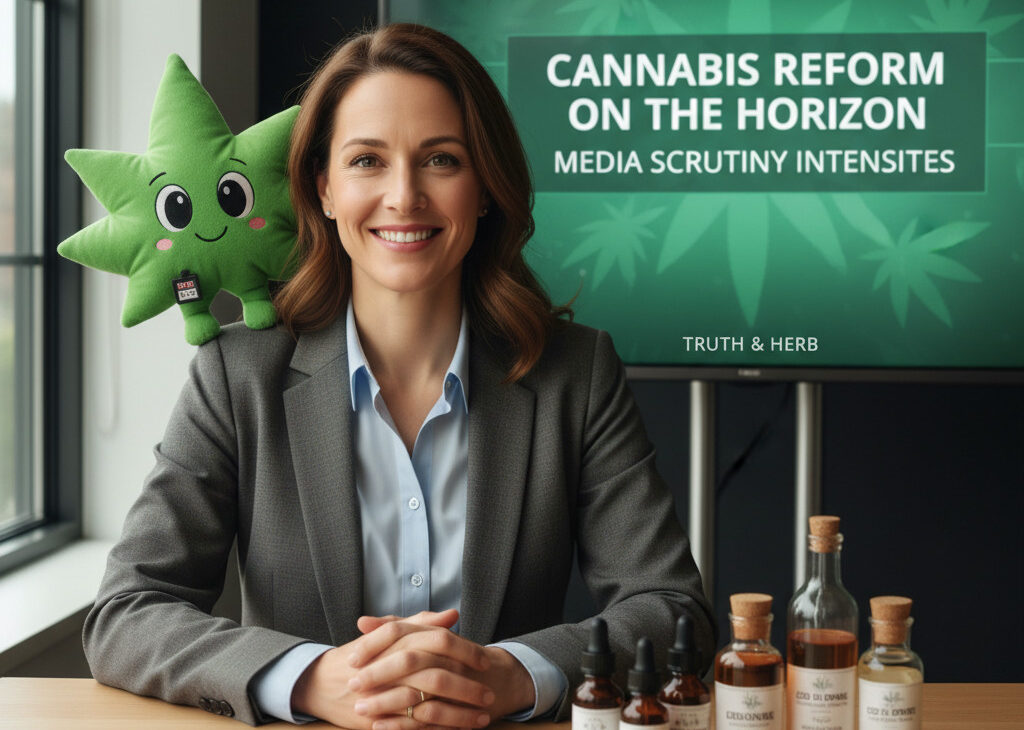
WTF is The New York Times’ problem with weed? A short, sharp intro
WTF is The New York Times’ problem with weed is not a rhetorical flourish. It is the exact question this piece answers, because the paper has framed cannabis as a new social danger. However, that frame rests on shaky facts and selective alarms. As a result, readers deserve a clear, evidence based rebuttal.
The Times’ op ed uses potency claims and fear to push heavy handed policy ideas. For example, they point to higher THC levels to argue for steep taxes and product bans. Yet reality shows a more complex picture of potency inflation, hemp law confusion, and a large grey market that taxes and bans would likely enlarge.
This article examines the Times’ framing, exposes sloppy journalism, and proposes sensible alternatives. Moreover, we will explain why full legalization with thoughtful regulation beats regressive prohibition. Therefore, stay with us for a concise, combative analysis that defends legalization and demands better reporting.
WTF is The New York Times’ problem with weed: How potency panic skews the regulation debate
This section breaks down the Times’ potency claims and policy proposals. However, their framing often ignores data on THC potency trends and hemp versus cannabis distinctions.
WTF is The New York Times’ problem with weed: Facts, half truths, and the grey market reality
We will expose sloppy framing, check the math on potency inflation, and assess market impacts. Therefore, readers can judge whether higher taxes or bans would fuel unregulated sales.
The New York Times cannabis controversy
The New York Times frames a clear cannabis controversy. Its op-ed claims high potency demands heavy regulation and tax hikes. However, that framing often rests on selective data and alarmist language. Therefore, readers should parse claims and compare them to science and market reality.
Key claims from the NYT op-ed and why they matter
- The Times says “Today’s cannabis is far more potent than the pot that preceded legalization.” That quote fuels fear and policy change.
- The piece warns of products with “THC levels of 90 percent or more.” However, that number conflates concentrates and flower.
- The Times recommends higher federal taxes, special taxes on high THC, and bans over 60 percent THC.
- As a result, those proposals could shrink the legal market and drive buyers to unregulated sellers.
Fact checks and evidence on potency trends
- Research shows measured potency rose since the 1990s, but the story is nuanced. See peer reviewed data at this link for long term potency trends and analytic methods.
- Federal health pages explain potency effects and caveats. For example, the National Institute on Drug Abuse outlines THC trends and research limits at this resource.
- Crucially, highest potency flower legally available today sits in the low 30 percent THC range. Therefore, claims about 90 percent flower are misleading.
Market dynamics and the grey market risk
- The Times ignores how heavy taxes or strict bans amplify the grey market.
- Critics argue those policies would amount to “an unprecedented boon to the cannabis grey market.”
- Leafly documents regulatory confusion, hemp versus cannabis mix ups, and grey market pressure. See their critique at this article.
Why media bias on weed and framing matter
- Media bias on weed influences policy debates and public opinion. As a result, sloppy framing can sway lawmakers.
- The op-ed uses emotional framing rather than balanced policy analysis, which worsens the cannabis controversy.
- Therefore, the public and policymakers need accurate data, clearer distinctions between concentrates and flower, and honest assessments of market effects.
In short, NYT cannabis coverage raises valid concerns about public health. However, its sweeping policy prescriptions rely on selective evidence. For a safer path forward, policymakers should prefer legalization paired with smart regulation and education rather than regressive bans.

| Media outlet | Tone | Frequency of coverage | Focus areas | Notable tendencies |
|---|---|---|---|---|
| The New York Times | Negative to cautious | High (features, op-eds) | Public health, regulation, potency concerns | Emphasizes potency and social risk; recent op-ed favors higher taxes and product bans, which some call selective framing |
| The Washington Post | Mixed, investigative | Medium-high | Legal policy, criminal justice, social impact | Runs deep investigative pieces on regulation and equity; balances public health and policy angles |
| CNN | Mixed, news-focused | High | Breaking policy, public health, politics | Frames stories around safety and politics; often cites health experts and officials |
| Fox News | Negative, skeptical | Medium | Crime, social stigma, law enforcement | Emphasizes risks and political angles; tends toward alarmist social narratives |
| Leafly | Positive, industry-aware | High within cannabis beat | Market trends, consumer guidance, hemp vs cannabis | Pro-legalization perspective; focuses on industry nuance and counters mainstream misstatements |
Conclusion
WTF is The New York Times’ problem with weed boils down to sloppy framing and selective alarmism. The Times raises real concerns about potency and public health, but it uses imprecise numbers and conflates concentrates with flower. As a result, its policy prescriptions—higher federal taxes, THC-specific levies, and bans over sixty percent—risk shrinking legal markets. Consequently, those moves would likely bolster the grey market and harm public safety.
Media responsibility matters because coverage shapes public perception and policy. Therefore, journalists must distinguish evidence from rhetoric, and avoid fear-based frames. Policymakers should prefer legalization with smart regulation, transparent testing, and education. In short, regulation beats prohibition.
Frequently Asked Questions (FAQs)
What does ‘WTF is The New York Times’ problem with weed’ mean?
The phrase asks why the New York Times framed cannabis as a major social danger. It critiques the paper’s op-ed titled “It’s Time for America to Admit it has a Marijuana Problem.” The question points to selective evidence, misleading potency claims, and policy proposals that may harm legal markets. Therefore, the FAQ explains the debate and the stakes for regulation, public health, and perception.
Are the NYT’s potency claims accurate?
The NYT is partly right but misleading. The op-ed compares 1995 DEA samples near four percent THC to modern products. However, modern numbers mix concentrates and consumer flower. Highest legal flower often sits in the low thirty percent range. For nuanced trends, see peer reviewed analyses at PubMed and public health context at NIDA.
Would banning high THC products improve safety?
Banning high THC seems simple but carries risks. Higher taxes and bans can shrink regulated supply. As a result, users may turn to unregulated sellers and grey markets. Critics warn such policies would “amount to an unprecedented boon to the cannabis grey market.” See Leafly’s critique at Leafly.
Is hemp the same as cannabis?
No. Hemp and cannabis share species but occupy different legal statuses. Hemp contains low THC by law and supports separate markets like CBD. Mixing the two confuses policy, enforcement, and industry players. Therefore, clear distinctions matter for regulation.
How should media cover cannabis responsibly?
Journalists should separate concentrates and flower, use peer reviewed data, and avoid fear framing. Moreover, they should explain market effects and equity issues. In short, balanced reporting helps better public policy and public safety.