Hemp THC Drinks Overview
Hemp THC drinks are beverages infused with hemp-derived delta-9 THC for mild psychoactive effects. They usually contain low doses, often around 5 milligrams of THC per serving. Consumers like them for convenience and discretion, and many prefer them over smoking. As a result, hemp-based THC beverages have grown in popularity across retail and events.
However, legal loopholes and unclear rules from the Farm Bill create regulatory confusion. This article explains how hemp-derived THC beverages differ from marijuana products. It also examines the delta-9 market, safety concerns, and public health debates. We will cover key industry players and recent moves by companies like Curaleaf.
You will read about state bans, the looming federal ban, and political responses. We include market figures, venue use cases such as United Center events, and job impacts. Finally, we weigh implications for brands, consumers, and regulators. By the end, you will understand the hemp-THC landscape and practical next steps.
Benefits of Hemp THC drinks
Why consumers choose hemp THC drinks
Hemp THC drinks offer discreet, measured dosing and easy portability. Because they look like familiar beverages, they reduce stigma and encourage trial. Many products contain about 5 milligrams of THC per serving, which supports mild, controlled effects. For example, at events like concerts, venues report high interest in canned THC beverages as alternatives to alcohol and smoking. See event use cases here: event use cases.
Potential wellness and lifestyle uses
- Stress relief and relaxation after work or exercise, without smoking.
- Sleep support when used at low evening doses, though evidence remains preliminary.
- Social use as a lower-calorie alternative to alcoholic drinks.
- Discreet symptom management for chronic pain or nausea, when advised by a clinician.
Scientific perspective on THC effects and cannabinoids
Oral THC follows different pharmacokinetics than inhaled THC, so onset is slower and effects last longer. Therefore, users should wait before redosing to avoid stronger effects. Research reviews covering mechanisms and dosing include this PubMed Central review: PubMed Central review. Meanwhile, the FDA offers regulatory context for cannabis products and safety considerations: FDA regulation.
Practical advantages for brands and buyers
- Predictable dosing improves consumer trust and repeat purchases. See brand strategies: brand strategies.
- Beverage formats broaden reach beyond traditional cannabis retail. Learn branding tips: branding tips.
Overall, hemp beverage formats make cannabinoids more accessible. However, consumers and brands must stay aware of legal and safety updates.
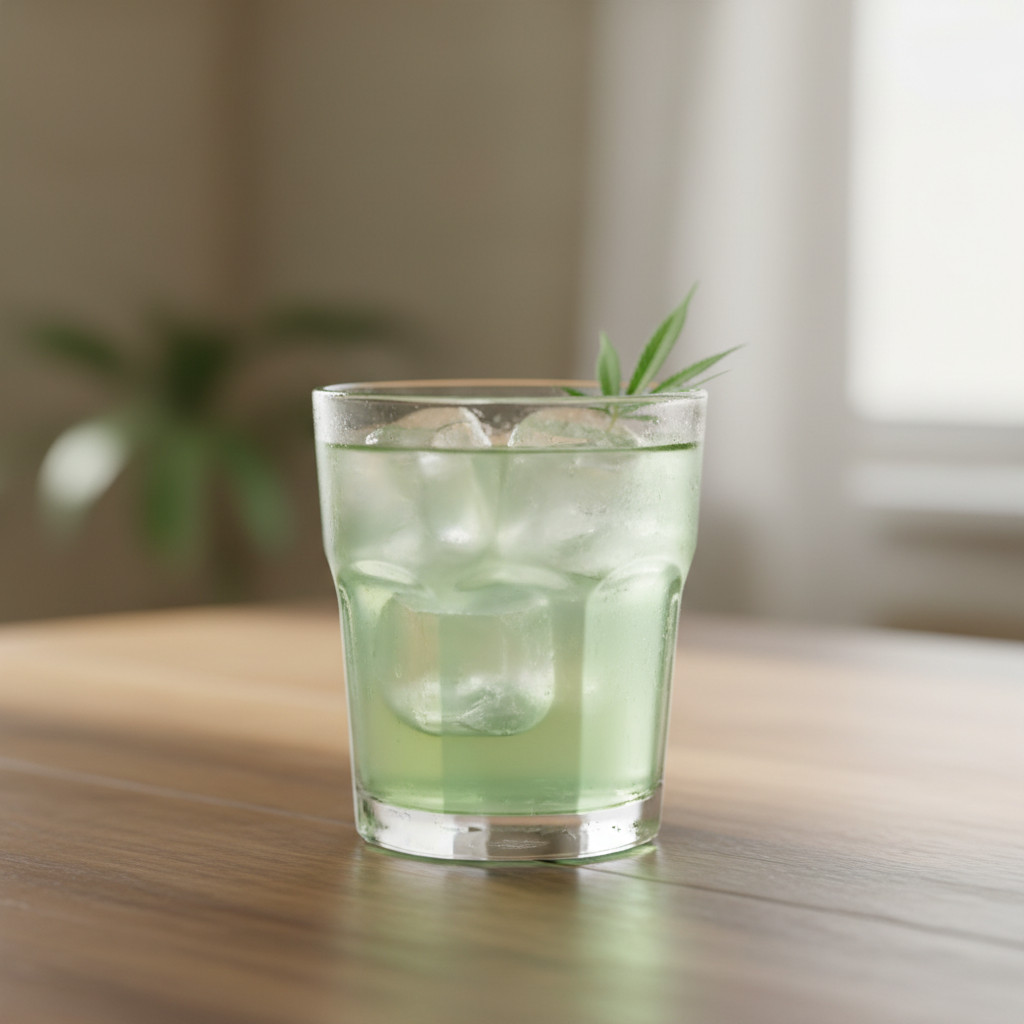
Varieties of Hemp THC drinks and how they differ
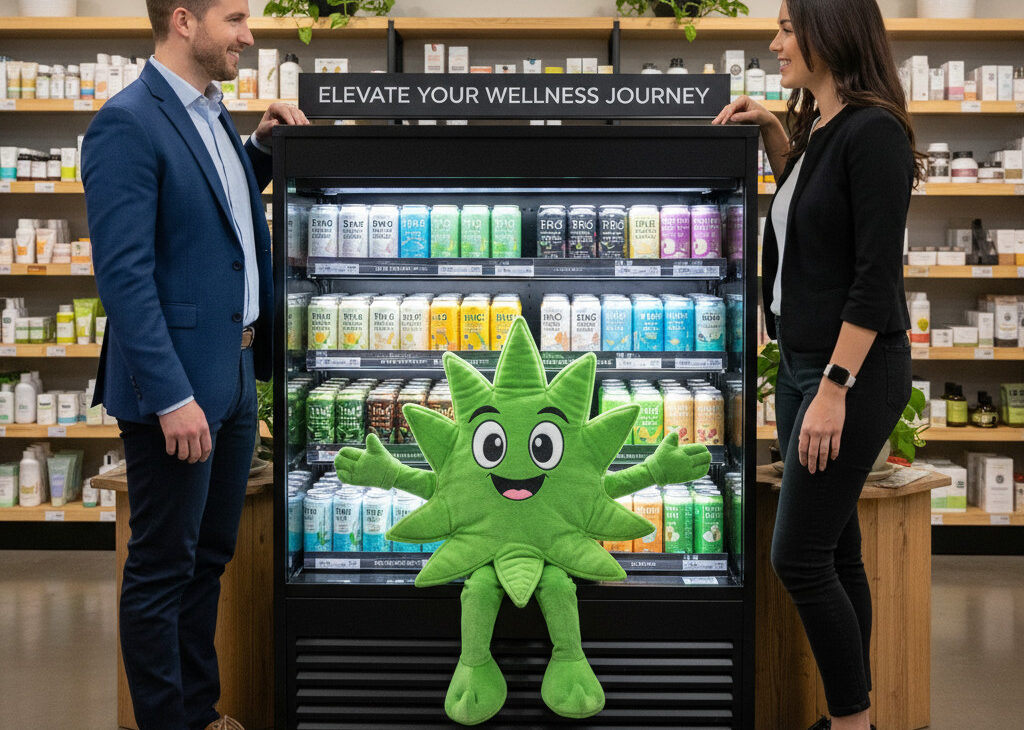
Hemp THC drinks come in many formats, and each offers distinct dosing and sensory profiles. For example, ready-to-drink cans and sparkling waters aim for a light social experience. Meanwhile, shots and concentrated bottles target faster effects or higher doses. Below are common varieties and what sets them apart.
- Ready-to-drink canned seltzers and sparkling beverages
- Typical THC per serving: 2.5 to 10 milligrams, most often 5 milligrams.
- Flavor profiles: citrus, berry, tropical, and herbal blends.
- Use case: social sipping and microdosing for mild THC effects.
- Bottled tonic, tea, and functional mixers
- Often pair cannabinoids with adaptogens or botanicals.
- They target wellness routines and longer sipping sessions.
- Concentrated shots and tincture-infused drinks
- Higher potency per ounce and faster perceived onset when formulated sublingually.
- Therefore they suit users seeking stronger THC effects or rapid relief.
- CBD plus THC blends and full-spectrum hemp beverages
- These combine cannabinoids to leverage entourage effects.
- As a result, users may report more balanced symptom relief.
- Novel formats like sparkling kombuchas or nonalcoholic cocktails
- They emphasize taste and social parity with alcoholic drinks.
Differences in formulation also affect onset and duration. Oral drinks usually take longer to start than inhaled products. However, they often deliver steadier, longer-lasting effects. When choosing a hemp beverage, consider THC content, flavor, serving size, and your tolerance.
| Brand or product | THC percentage / typical THC per serving | Flavor options | Price range | Availability |
|---|---|---|---|---|
| RYTHM beverages (Rhythm) | Labeled as hemp-derived delta-9; typically 5 mg per serving; percentage varies by formula | Citrus, tropical, berry | $3 to $5 per can | National in hemp-friendly states and select retailers |
| Trulieve hemp drinks | Often 5 mg per serving; product percentage varies | Lemon, tea, mixed berry | $4 to $6 per can or multipacks | Available in markets where hemp-derived THC is sold; limited in some states |
| Tilray hemp beverage line | Commonly microdosed at 2.5 to 10 mg per serving; percentage variable | Herbal, citrus, botanical blends | $3 to $7 per serving | Select retail and online channels where legal |
| Verano hemp seltzers | Typically 5 mg per serving; percentage depends on formulation | Berry, lime, peach | $3 to $6 per can | Regional rollout; retail and event venues in permitted areas |
| Cornbread Hemp elixirs | Microdose and full-spectrum options; 5 mg common | Tea, mint, fruit blends | $10 to $20 per bottle (multipacks vary) | Niche distributors and online in compliant states |
| Cann Beverages style hemp drinks | Often CBD forward with added THC microdoses; 2.5 to 5 mg common | Botanical, sparkling, nonalcoholic cocktail styles | $3 to $8 per can | Specialty stores and ecommerce where hemp THC is allowed |
Notes
- THC values reflect typical labeling, not lab results.
- Availability depends on state rules and retailer policies.
- Prices vary by pack size and regional taxes.
Hemp THC Drinks
Hemp THC drinks have emerged as a convenient, discreet way to access hemp-derived delta-9 THC. They offer predictable microdosing, varied flavors, and formats that fit wellness and social routines. However, legal and safety questions remain, especially around labeling and cross-state availability. Therefore consumers should choose lab-tested products, follow dosing guidance, and know local laws.
Start with low doses and wait at least two hours before redosing, because effects unfold slowly. Check third-party lab tests and clear labeling, and avoid products lacking transparency. If you have health conditions or take medications, consult a healthcare provider first. Finally, follow local laws because availability and rules vary by state and venue.
Frequently Asked Questions
Are Hemp THC drinks safe to use?
When made and labeled correctly, hemp THC drinks can be safe for adults. Choose products with third-party lab testing and avoid use while pregnant, driving, or operating machinery.
Are Hemp THC drinks legal?
Laws vary by state and federally. The Farm Bill allowed hemp-derived delta-9 THC under 0.3 percent on a dry weight basis, but some states ban hemp THC beverages. Check local laws and venue policies before buying.
What are the typical THC effects and how quickly do they start?
Oral THC typically begins in 30 minutes to two hours and lasts longer than inhaled THC. Expect relaxation, mild euphoria, and altered perception; timing depends on metabolism, food, and dose.
What dosage should I try first?
Start with 2.5 to 5 milligrams and wait at least two hours before redosing. Increase slowly across separate occasions to find your tolerance.
Where can I buy Hemp THC drinks?
Availability depends on state rules, retailer policy, and event permissions. Prefer licensed retailers and brands that publish Certificates of Analysis for batch testing.
How can I verify third-party testing for hemp THC drinks?
Look for a COA linked to the product or brand site and match the batch number or QR code on packaging. Confirm tests include potency, pesticides, heavy metals, solvents, and microbiology from an accredited lab. If results are missing or inconsistent, do not purchase.
Are there potential interactions with medications?
Cannabinoids can alter liver enzymes like cytochrome P450 and change prescription drug levels. Consult your healthcare provider or pharmacist before use, especially with blood thinners, anticonvulsants, or psychiatric medications. Bring product COAs and dose details to appointments.