Many veterans still carry sleepless nights, sudden panic, and relentless flashbacks nightly.
Stigma, fragmented care systems, and restricted access create painful barriers to help for veterans. These obstacles compound delays in treatment, worsen outcomes, and isolate families from vital support networks.
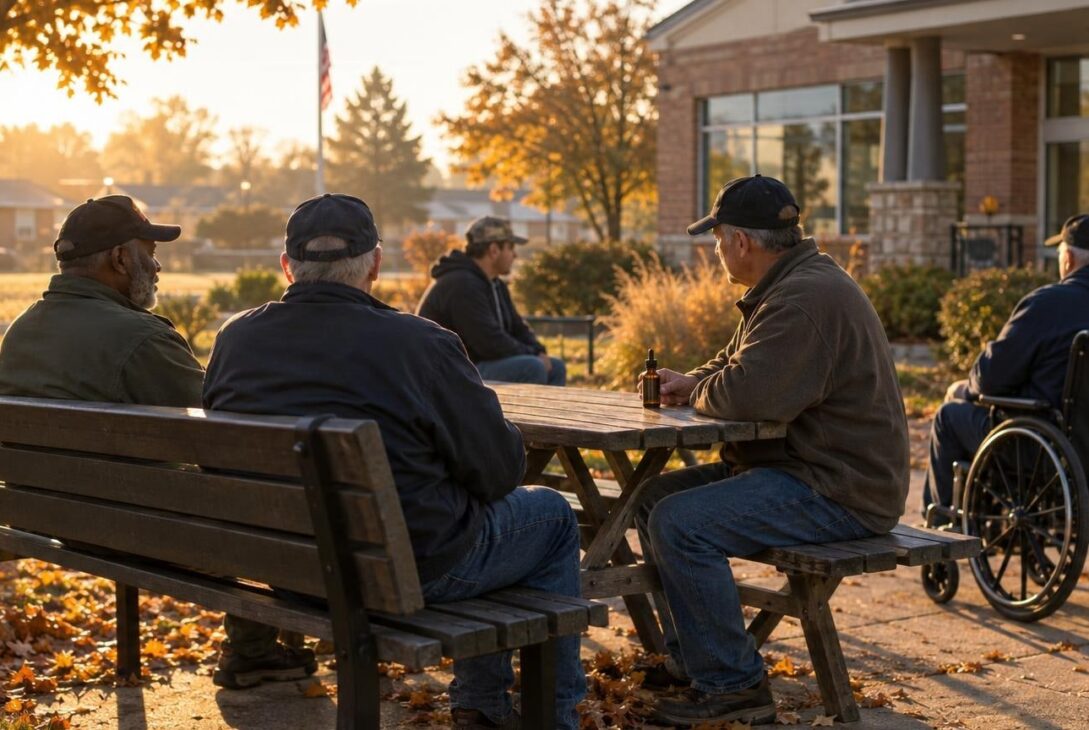
Veteran-centered cannabis access, peer-led programs, and community initiatives aim to reduce stigma and expand symptom relief with safer THC and CBD options. Cannabis advocacy for veterans emphasizes lived experience, harm reduction, and policy change to improve care. For background on PTSD and recent clinical trials see the VA PTSD overview and the PLOS ONE randomized crossover trial.
This article outlines evidence, legal context, advocacy steps, and resources for veterans, families, and caregivers.
Quick answer
This piece explains education, peer support, and policy approaches to veterans’ PTSD and cannabis options. About 11 to 20 percent of Iraq and Afghanistan veterans experience PTSD — see VA PTSD prevalence estimate. Discuss risks and sourcing with clinicians before trying cannabis.
- Education, peer support, and policy reform
- Discuss with clinician; use regulated sources and monitor effects
- VA epidemiology PTSD study: PTSD epidemiology study
How PTSD Affects Veterans
About 11 to 20 percent of Iraq and Afghanistan veterans develop PTSD, which complicates seeking care and treatment. This condition often overlaps with depression, substance misuse, and chronic pain, making diagnosis harder. See the VA prevalence summary and the VA epidemiology findings for source details.
Psychological impacts
- Flashbacks: Intense intrusive memories causing sudden fear and emotional distress.
- Nightmares/Insomnia: Frequent nightmares and poor sleep that worsen mood and concentration.
- Hypervigilance: Constant alertness that increases anxiety and impairs relaxation.
- Avoidance: Efforts to avoid reminders, leading to isolation and missed appointments.
Social and functional impacts
- Relationship strain: Mood swings and withdrawal that erode trust with partners and family.
- Employment impact: Concentration problems and absenteeism that threaten job stability.
- Substance misuse: Self medication can lead to dependence and complicate recovery.
- Stigma and delayed help seeking: Military culture and public stigma that delay care.
Key Steps in Cannabis Advocacy for Veterans
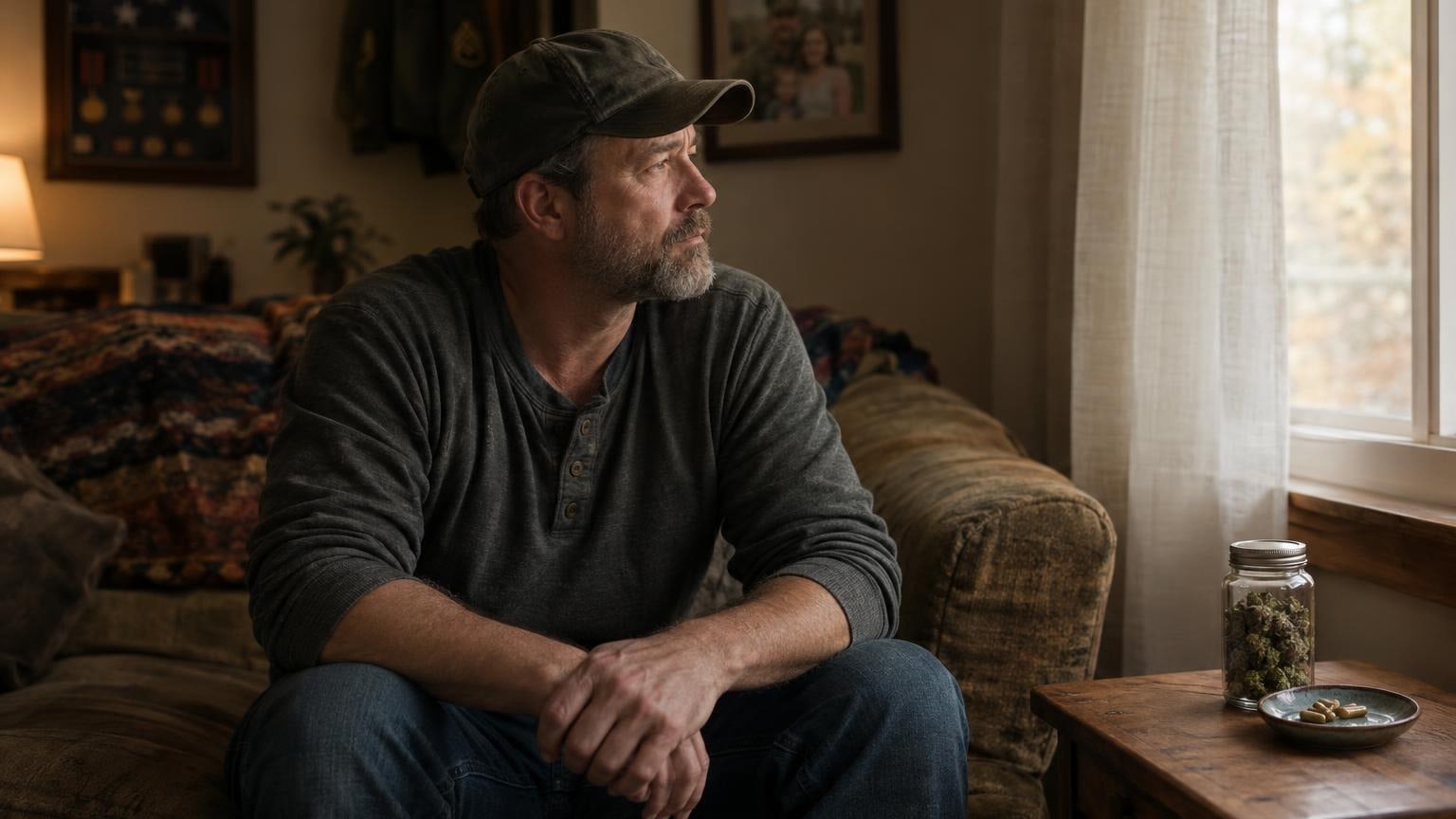
PTSD awareness and cannabis advocacy for veterans begins with practical actions that reduce harm and increase safe options. Therefore use this checklist to guide veterans and advocates toward informed, legal, and compassionate change.
- Educate veterans and families with clear, evidence-based resources because knowledge reduces stigma and supports informed choices.
- Build peer-led support groups that share lived experience and provide safe, nonjudgmental guidance.
- Train clinicians and counselors on cannabis interactions and veteran-centered care so they listen and collaborate.
- Advocate for state and federal policy changes that ensure legal, affordable access while protecting veteran benefits.
- Support research and data collection to document outcomes, therefore improving treatment guidance over time.
- Encourage safe sourcing and dosing practices, and consult medical professionals before use.
- Promote veteran employment in cannabis programs to create purpose, reduce isolation, and drive community advocacy.
Cannabis Laws for Veterans in Key US States
| State | Medical cannabis legal status | PTSD a qualifying condition? | Veteran specific provisions and notes with sources | VA/federal benefit impact |
|---|---|---|---|---|
| California | Medical and adult-use legal; doctors may recommend medical cannabis for serious conditions | Not explicitly listed by name on FAQs, but clinicians may recommend for PTSD-like conditions | No statewide veteran-only program; clinicians recommend under general medical rules (CA medical cannabis FAQs) | No special protections |
| Colorado | Medical and adult-use legal | Yes; PTSD added as a qualifying condition by law in 2017 | Veterans qualify under general rules; no veteran-only benefit (CO SB17-017) | No federal exemption |
| New York | Medical program plus adult-use legal | Yes; PTSD is listed among qualifying conditions by NYS health | Veterans use the general medical cannabis program; no exclusive veteran benefit (NY cannabis consumers) | No special protections |
| Florida | Medical cannabis legal via state registry and Office of Medical Marijuana Use | Yes; PTSD appears on Florida’s qualifying conditions list | Enrollment through state registry; no veteran-only entitlement (FL OMMU patients) | May risk benefits |
| Texas | Limited low-THC medical program under Compassionate Use | Yes; PTSD is included under qualifying conditions for the program | Program is restrictive and provides no veteran-specific program (TX medical marijuana FAQs) | No special protections |
Scientific Research on Cannabis and PTSD
Research on PTSD awareness and cannabis advocacy for veterans has grown, but evidence remains mixed. Several observational studies report symptom improvements for sleep and anxiety. However, many studies lack control groups, and therefore their results show high risk of bias.
The first randomized, placebo-controlled trial of smoked cannabis in veterans found short-term symptom improvement across groups. Importantly, no active cannabis preparation significantly outperformed placebo in that trial. For details, see the randomized crossover trial in veterans: randomized crossover trial.
Systematic reviews conclude that potential benefits exist, especially for sleep and nightmares. Yet reviewers emphasize low-quality evidence and call for larger, rigorous trials. As a result, clinicians cannot yet endorse cannabis as a standard PTSD treatment without more data. See the VA research overview on PTSD for broader context: VA research overview.
Key findings and limitations
- Benefit signals: Observational work links cannabis to fewer nightmares and better sleep for some veterans.
- Trial evidence: One high-quality crossover trial did not show clear superiority over placebo.
- Safety concerns: THC may worsen anxiety or cognition for some users, and long-term effects remain unclear.
- Research gaps: Optimal dosing, THC to CBD ratios, and long-term outcomes need study.
In short, cannabis shows promise for certain PTSD symptoms, but current science remains inconclusive. Therefore veterans should discuss risks and benefits with trusted clinicians before trying cannabis.
References
Bonn-Miller, M. O., Sisley, S., Riggs, P., Yazar-Klosinski, B., Wang, J. B., Loflin, M. J. E., Shechet, B., Hennigan, C., Matthews, R., Emerson, A., & Doblin, R. (2021). The short-term impact of 3 smoked cannabis preparations versus placebo on PTSD symptoms: A randomized cross-over clinical trial. PLOS ONE, 16(3), e0246990. https://journals.plos.org/plosone/article?id=10.1371/journal.pone.0246990
U.S. Department of Veterans Affairs. (n.d.). Posttraumatic stress disorder (PTSD). https://www.research.va.gov/topics/PTSD.cfm
CONCLUSION
PTSD awareness and cannabis advocacy for veterans matters because it centers veteran voices and reduces stigma. Many veterans report improved sleep, reduced nightmares, and better mood when cannabis complements care. However, evidence remains incomplete, and clinicians need stronger guidance.
Therefore researchers must run larger, well controlled trials to define safe doses and THC to CBD ratios. Meanwhile lawmakers should pursue legal reforms that protect veteran benefits and improve access. At the same time caregivers and peers can promote education, safe sourcing, and harm reduction.
If you are a veteran exploring options, consult trusted clinicians and use peer support for practical advice. For resources, visit mycbdadvisor.com for balanced information and veteran-centered guidance. As a result, veterans can pursue informed choices with hope, dignity, and community support.
Frequently Asked Questions (FAQs)
Is cannabis legal for veterans?
Laws vary by state and federal rules still classify cannabis as controlled. Therefore veterans must follow state medical programs and local regulations. Also consider workplace and benefit rules before using cannabis.
Can cannabis help PTSD symptoms?
Some veterans report better sleep and fewer nightmares after using cannabis. However, rigorous trials show mixed results, so benefits are not guaranteed. Discuss potential outcomes with a trusted clinician.
Is cannabis safe for veterans?
Cannabis has benefits and risks, including possible increased anxiety or memory issues for some people. As a result start with low doses and monitor effects closely. Always check for interactions with prescription medicines.
How can veterans start cannabis advocacy?
Join a veteran peer group to share lived experience and reduce stigma. Advocate for research funding, sensible policy change, and clinician education. Meanwhile partner with local nonprofits and lawmakers to amplify impact.
How do veterans access medical cannabis safely?
Check your state medical cannabis program and qualifying conditions before acting. Work with a licensed clinician for dosing guidance, and use regulated dispensaries or legal suppliers. Finally keep records of outcomes to inform your care and help research.
Related on CBD Advisor
- PTSD calm support with essential oils and CBD guide
- Can CBD and PTSD Ease Anxiety and Sleep
- Explore CBD’s Future: Breakthrough Research on PTSD & Anxiety