Draft introduction paragraph
Nebraska and North Carolina took sharply different approaches this year. New Nebraska and North Carolina cannabis regulations ban smoking and most edibles in Nebraska and limit the medical program to 12 dispensaries, according to the Gov. Pillen press release, while North Carolina would cap hemp THC at 0.4 mg per container and impose age limits under the North Carolina bill text.
What are the cannabis regulation updates in Nebraska and North Carolina?
Currently, Cannabis regulation updates in Nebraska and North Carolina show divergent approaches. Nebraska approved strict medical rules. They ban smoking, vaping and most edibles. The rules cap products at 60% THC or 40 mg per dose. Additionally, they limit purchases and authorize 12 dispensaries.
North Carolina’s Senate passed a bill capping hemp THC at 0.4 mg per container.
Overview of Nebraska Cannabis Laws
Key changes
- Smoking, combustion and vaping are prohibited under the new rules.
- Most cannabis infused edibles and drinks are banned to limit unintended dosing.
- Product potency limits now cap individual items at 60 percent total THC or 40 milligrams per dose.
- Purchase caps restrict patients to five ounces per 30 days and no more than five grams of delta-9 THC from one dispensary.
Who is affected
- Patients in the medical cannabis program will lose access to smoked products and many edibles.
- Manufacturers and product formulators must reformulate items to meet potency and format rules.
- Retailers face tighter dispensary licensing rules and a statewide limit of 12 dispensaries by judicial district.
- Healthcare providers should review treatment plans and product guidance for safer dosing.
Immediate actions
- Review Gov. Pillen’s permanent regulations for full legal text: Gov. Pillen’s permanent regulations.
- Check Medical Cannabis Commission rules for licensing, testing and program details: Medical Cannabis Commission rules.
- Update product lines, labels and testing protocols to reflect THC, dosing and delta-9 THC caps.
- Prepare compliance and dispensary licensing plans and consult counsel to reduce legal risk.
Nebraska Cannabis Industry Growth
As part of Cannabis regulation updates in Nebraska and North Carolina, Nebraska moved to a tightly controlled medical program this year. Because public data remain limited, the state lacks a verifiable statewide patient count and published tax receipts. However, regulators published clear product, purchase and licensing limits.
Key statistics and milestones
- Authorized dispensaries: 12 statewide, allocated by judicial district according to the Medical Cannabis Commission regulations. See the full rules at Medical Cannabis Commission Regulations.
- Product and use limits: smoking, combustion and vaping are prohibited, and most edibles are banned. Individual products may not exceed 60 percent total THC or forty milligrams per dose. For details, see the governor’s announcement at Governor’s Announcement.
- Purchase caps: patients may possess up to five ounces in thirty days, with no more than five grams of delta nine THC purchased from the same dispensary within that period. The rule text explains these limits at Medical Cannabis Commission Regulations.
- Patient registry and industry size: Nebraska does not yet publish an official patient registry total, so verified patient numbers are not available, according to state reporting and national trackers like Marijuana Policy Project at Marijuana Policy Project.
- Economic data gap: because licensing and fee rules remained in flux, statewide tax revenue and industry employment figures have not been reported consistently, as noted by local coverage at Nebraska Public Media.
Implications
Therefore, Nebraska cannabis regulations restrict product formats and access. As a result, manufacturers and dispensaries must adapt product lines. Meanwhile, lawmakers and regulators will shape the industry as licensing and fee rules finalize.
North Carolina Cannabis Laws and Regulation Changes
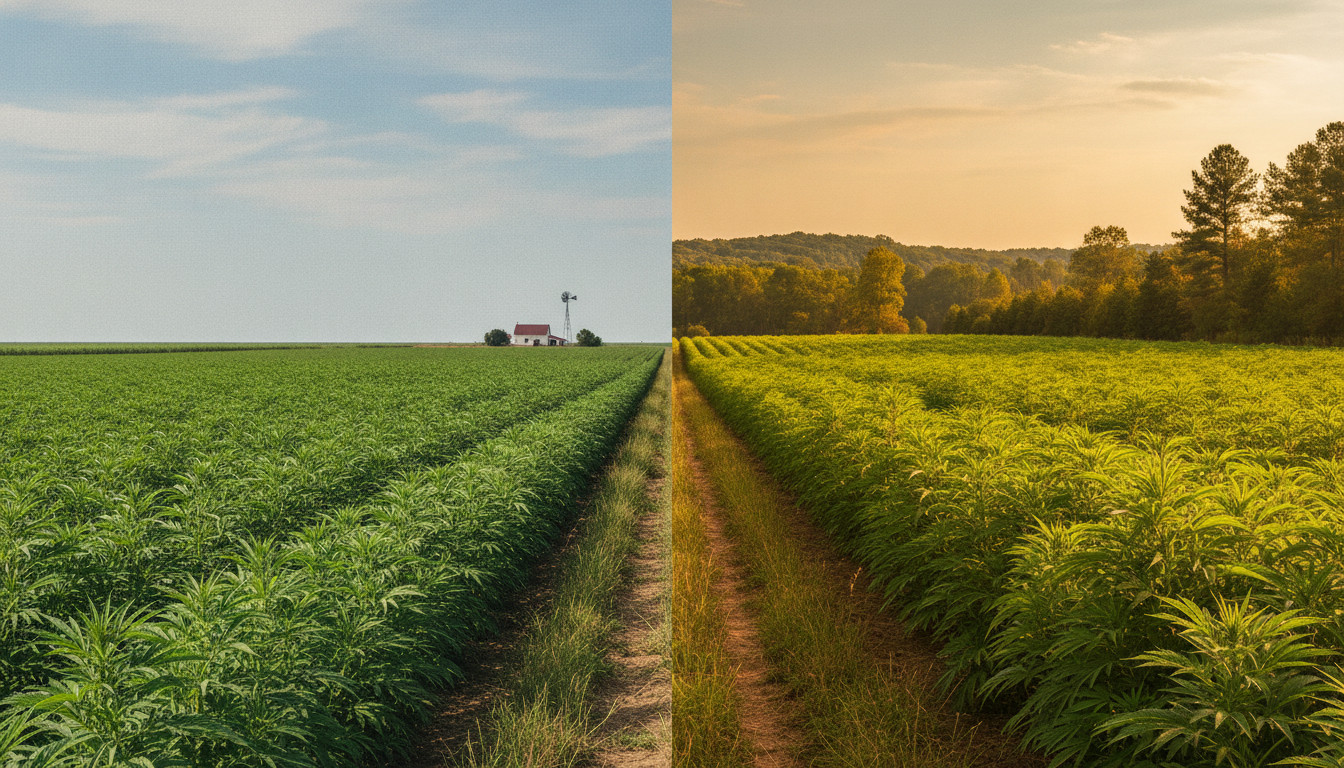
Cannabis regulation updates in Nebraska and North Carolina include a major North Carolina hemp bill that the Senate passed this summer, but the measure still requires action by the House and the governor before it can become law. The proposal is intended to align state law with the federal hemp rule effective November 12, 2026, which revises the hemp definition and sets a 0.4 milligram per container standard federal hemp rule text.
The bill’s main provisions include
- Caps total THC in finished hemp consumables at 0.4 milligrams per container, measured by the innermost package.
- Imposes a 21 year old minimum purchase age for products containing THC and restricts synthetic kratom sales to those under 21.
- Adds xylazine to Schedule Three and staggers implementation so age limits can take effect immediately while the THC cap aligns with the federal date.
- The change will affect hemp-derived CBD and other intoxicating hemp products, requiring testing and relabeling to comply; see the North Carolina bill text.
Supporters argue the bill protects children; opponents say it could remove widely used products from the legal market. Senator Michael Lee said, “we want to protect children from these products,” a viewpoint reflected in local reporting reporting on the Senate vote.
Steps to Cannabis Legalization in Nebraska and North Carolina
Cannabis regulation updates in Nebraska and North Carolina frame each state’s cannabis legalization process. Use this checklist to follow the common regulatory steps and state legislation milestones in the cannabis legalization process.
- Draft clear enabling legislation that defines medical versus recreational access, product limits, and regulatory authority.
- Introduce and refine regulatory text through a state commission, then open public comment periods for stakeholder input.
- Hold legislative committee hearings to consider fiscal notes, constitutional issues, and health safety standards.
- Pass laws or rules in both chambers or by administrative adoption; next, set licensing, taxation, and distribution frameworks.
- Implement program operations by issuing licenses, establishing patient registries, and enforcing product testing and labeling, therefore protecting consumers.
- Review outcomes and refine policy through data collection, judicial review, and legislative updates to align with evolving health goals.
Monitor legislative calendars and prepare compliance plans as the final step.
Conclusion
Cannabis regulation updates in Nebraska and North Carolina show sharply different approaches to access. Nebraska imposed strict medical rules limiting smokable formats, edibles and high THC concentrations. North Carolina moved to cap THC in hemp products and raise purchase ages.
These shifts affect patients, retailers and manufacturers, so stakeholders should track rule changes. Therefore, providers must update product lines and compliance plans promptly. Meanwhile, legal challenges and further legislative action remain likely. Because rules vary widely, out-of-state suppliers must verify compliance before shipping.
Stay informed through official sources and reputable reporting to protect patients and businesses. For reliable updates and context, check trusted CBD news and guidance at MyCBDAdvisor. MyCBDAdvisor offers educational resources and timely policy summaries. Also consult official state pages and regulatory commissions for primary source texts.
Frequently Asked Questions
Is cannabis legal in Nebraska and North Carolina?
Legal status differs between the states. Nebraska now operates a limited medical program with strict product and format restrictions; recreational use remains illegal.
What did Nebraska’s recent regulations change?
Nebraska finalized medical rules that ban smoking, vaping and most edibles, set product THC and per-dose caps, limit monthly possession and authorize a small number of dispensaries. The rules narrow patient options and require manufacturers and retailers to reformulate or relabel goods.
What changes did North Carolina approve for hemp products?
The state Senate passed a bill capping total THC in finished hemp consumables at 0.4 milligrams per container and raising the minimum purchase age to 21; it also adds xylazine to Schedule Three and restricts synthetic kratom sales. Final legal effect depends on further legislative action and the governor’s signature.
How will these updates affect patients and businesses?
Patients may lose access to smoked, high-THC and many edible products, creating demand for tinctures, topicals and measured-dose formats. Businesses must update testing, labeling and compliance protocols and may need to reformulate or withdraw items.
Where can I find official updates and compliance guidance?
– Check the Nebraska Medical Cannabis Commission for the adopted rules and related materials.
– Review the North Carolina General Assembly bill text for exact language and amendments.
– Watch agency releases and consult regulatory counsel to interpret obligations and timelines.
Last updated: October 2026
Related on CBD Advisor
- How Does New American Dispensary Redefine Cannabis Retail
- Are you following Cannabis regulation and consumer education rules
- How does cannabis as sacred medicine transform healing rituals