
When kava is poor quality, effects can be weak and safety risks increase. This clear, simple guide explains how to choose quality kava so users can pick safe, effective products.
It covers sourcing, lab testing, product forms and dosing tips. As a result, readers leave ready to compare labels and ask the right questions. Therefore, the article focuses on clear signs of genuine kava.
What Is Kava?
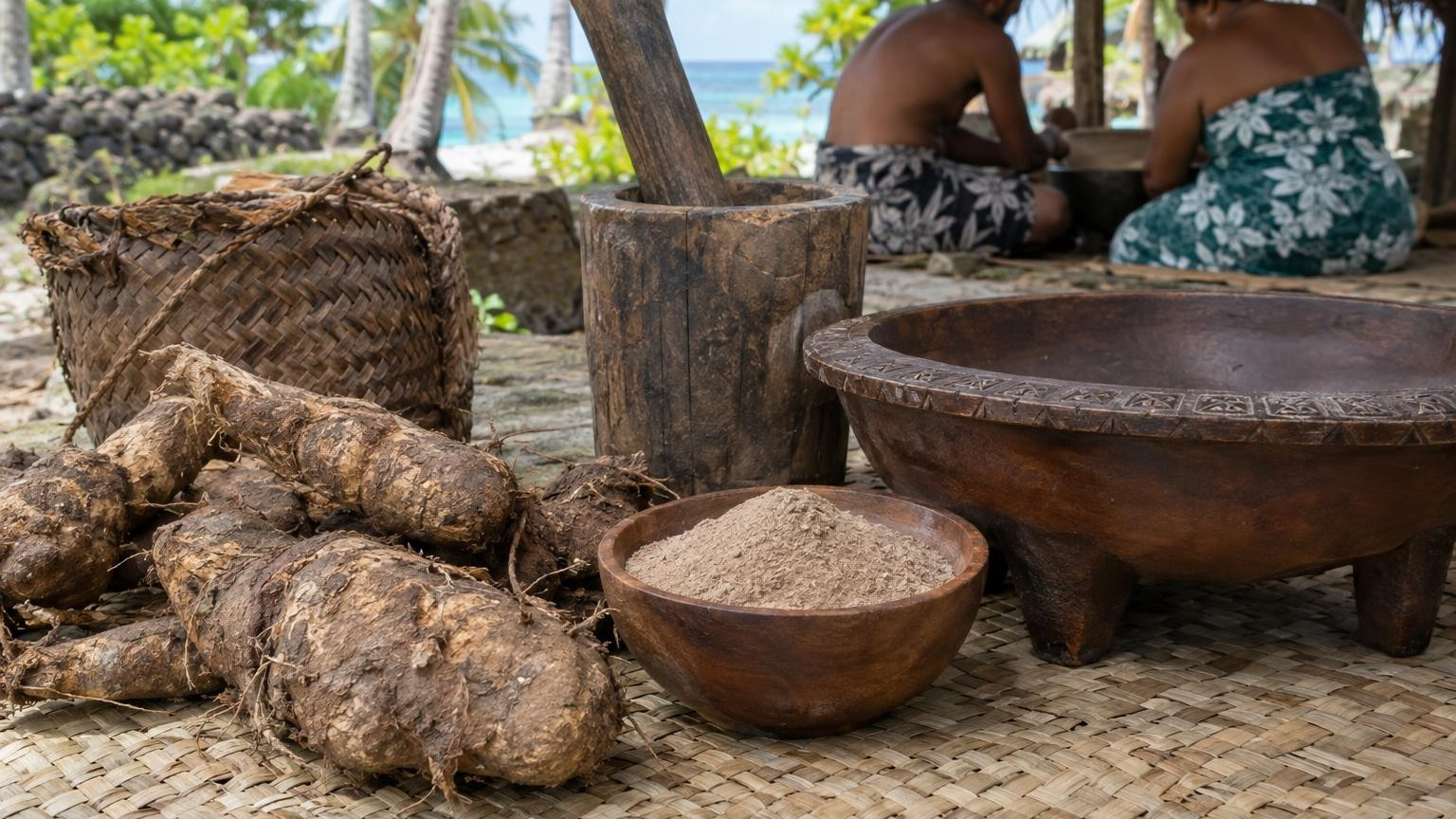
Kava is a traditional South Pacific beverage made from the ground root of Piper methysticum. People in Fiji, Tonga and Vanuatu have used it for ceremonies and relaxation for thousands of years, and today it is taken for anxiety, sleep and social ritual, so readers can learn how to choose quality kava.
How Does Kava Work?
Key active compounds in kava and their effects include:
- Kavain, calming and anxiolytic
- Dihydrokavain, sedative-like effects
- Methysticin, GABA receptor modulation
- Dihydromethysticin, enzyme and interaction effects
- Yangonin, cannabinoid receptor activity
- Flavokavains, potential liver risk
Kava’s effects come mainly from kavalactones, which act on multiple brain targets. For example, they modulate GABA and ion channels and may affect dopamine and cannabinoid signaling. However, product variability and flavokavain content influence safety. Therefore, checking kavalactone profiles and testing results helps with choosing safe, effective kava preparations.
Definitions and pharmacology are described in the U.S. government kava overview and a recent pharmacology review respectively.
What Are the Benefits of Quality Kava?
Quality kava delivers clear benefits while lowering safety risks. The most reliable effects are relaxation and anxiety relief, often with gentle sedation and improved sleep.
Key benefits include:
- Calm mood and reduced social anxiety
- Short-term relief of everyday stress
- Better sleep onset and sleep quality
- Mild muscle relaxation without heavy sedation
- Ritual and social relaxation in ceremonies
Because kava varies by chemotype and processing, potency and purity shape these outcomes. Moreover, government reviews note possible short-term anxiety benefits and a rare risk of liver injury. See the NCCIH kava overview for details.
Why Quality Matters When Choosing Kava
Knowing how to choose quality kava affects both benefit and safety because product variability is large. Good products state kavalactone content and avoid root bark, which reduces risk. The key markers are potency and purity.
Common product types include:
- Noble root powders
- Instant soluble powders
- Standardized tinctures and extracts
- Capsules and tablets
- Whole dried root for traditional use
Therefore, buyers should prefer products with third-party lab results and stated kavalactone profiles. For example, clinical trials used standardized aqueous extracts and measured daily kavalactone doses. See this randomized clinical trial of kava for generalized anxiety disorder for study details.
Kava Forms Compared: Root, Powder, Extracts and More
Quick comparison of common kava forms, with typical strength and what to check for quality, because kavalactone profile matters: NCCIH kava overview, FDA kava memorandum, UPLC-MS/MS analysis of kava products.
| Form | Source / Material | Typical Strength (total kavalactones) | Typical Uses and What To Check For Quality |
|---|---|---|---|
| Noble whole root | Lateral roots from noble Piper methysticum cultivars | Generally toward the higher end of the 3–20% total kavalactone range reported for dried kava | Traditional ceremonial drink; check noble cultivar origin, whole root only, and a batch COA with kavalactone profile |
| Dried powdered root | Ground dried lateral root (commercial powder) | Within the broad 3–20% range; commercial powders often measure lower than fresh root | Home brewing and capsules; check mg kavalactones per serving, batch COA, and absence of stems or bark |
| Instant soluble powder | Aqueous-processed, micronized or soluble powder | Variable; often standardized to a declared mg kavalactones per serving | Fast-mix beverages; check declared kavalactone mg, aqueous extraction, and lab test results |
| Standardized aqueous extracts / tinctures | Water extracts standardized to kavalactone content | Reported clinical doses are measured in mg per day; concentration varies by product | Therapeutic or clinical use; check aqueous extraction method, mg per dose, and flavokavain levels on COA |
| CO2 or solvent extracts | Concentrated non-aqueous extracts | Can be relatively high percent kavalactones due to concentration | Potent effects and variable safety profile; check extraction solvent, residual solvents, and third-party testing |
Is Kava Safe to Use?
Kava can be safe for short-term use in healthy adults at recommended doses, but it carries risks including sedation and rare liver injury.
Known side effects include dizziness, sleepiness, and gastrointestinal upset. However, reports link kava to liver injury, sometimes severe, so caution is needed.
Because kava can interact with alcohol and medications that affect the liver or the nervous system, avoid mixing it with sedatives, acetaminophen, or heavy alcohol use. Therefore, people who are pregnant, breastfeeding, or have liver disease should not use kava.
When learning how to choose quality kava, prefer products with batch certificates of analysis, stated kavalactone content, and low flavokavain levels to lower risk.
For an authoritative safety overview, see the NCCIH kava overview: NCCIH Kava Overview and a recent analytical review of product content: Analytical Review of Kava.
Is Kava Legal in the U.S.?
Kava is legal to buy and is not a controlled substance under federal law. Not federally scheduled kava is sold as dietary supplements and at kava bars in many states.
However, the U.S. Food and Drug Administration treats kava as an unapproved food additive when used in conventional foods, so regulatory status depends on product and use.
Therefore, state and local rules affect how retail establishments may serve or sell kava. For federal regulatory context, see the FDA scientific memorandum: FDA Scientific Memorandum.
Is How to Choose Quality Kava Worth Trying?
Yes — for many adults seeking natural relaxation or short-term anxiety relief, trying quality kava can be worthwhile. It is most sensible when users choose tested products and follow safe dosing.
Quality affects both effect size and safety because kavalactone content and flavokavain levels vary widely. Therefore, prefer quality kava that lists kavalactone mg per serving and provides third-party COAs. However, start low, avoid alcohol and sedatives, and consult a clinician if you have liver concerns.
Final Thoughts
Kava can be a useful, fast-acting option for relaxation when users choose the right product and dose carefully.
Because product chemistry and processing change effects and risk, always check kavalactone amounts, extraction method, and third-party lab results before trying a new batch.
If unsure, consult a healthcare professional and start with a low dose on a single occasion to assess tolerance.
Related on CBD Advisor
- Cannabis Packaging and Marketing Compliance: MLR Review for CBD Brands
- Can medical cannabis utility in healthcare transform patient care
- How does cannabis as sacred medicine transform healing rituals