Bob Weir and cannabis culture have intertwined for decades, shaping music scenes and social rituals. His guitar lines and community ethos helped normalize cannabis use among fans. Over time, that influence spread beyond concerts into policy debates and cultural identity. However, his impact was not merely musical; it was communal, almost civic in tone. Because fans traded tapes and stories, they also traded ideas about freedom and reform. As a result, Deadheads and newer listeners pushed back against prohibitionist narratives. Moreover, Weir’s public presence invited conversations about responsible use and legality. This piece traces that journey through concerts, law, and evolving regulation.
Along the way, we examine how grassroots culture shaped modern policy frameworks. We will balance celebration with caution, noting commercialization’s complex effects. Ultimately, the story reveals why culture often precedes and pressures lawmakers. Read on to understand a nuanced legacy that still informs today’s debates.

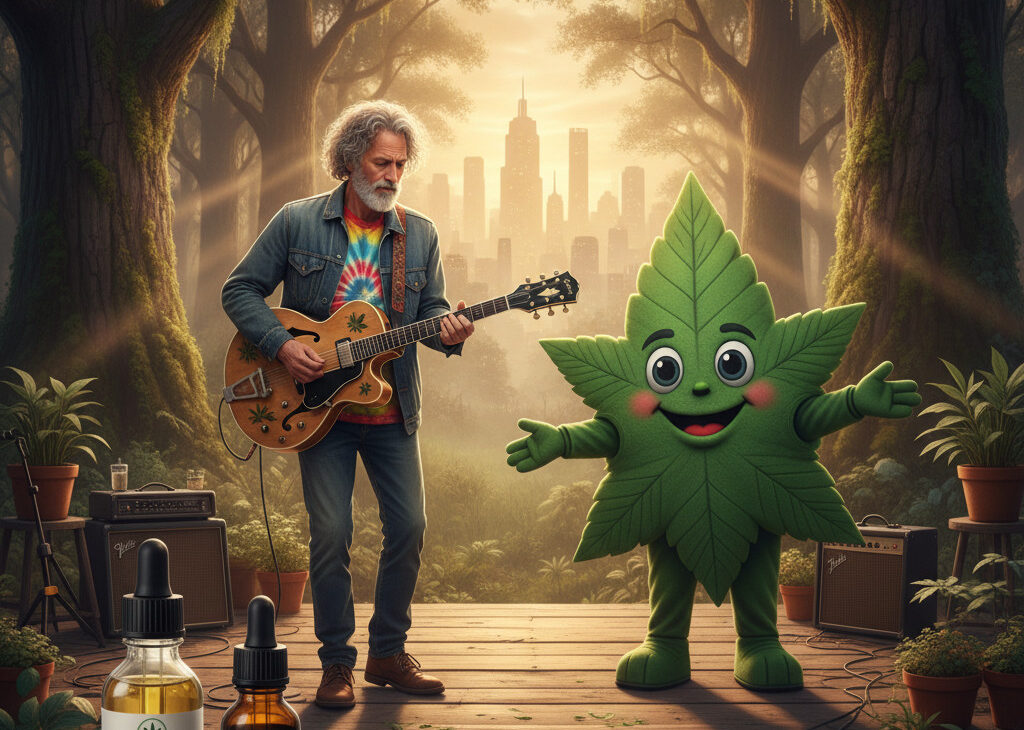
Bob Weir cannabis culture illustration highlighting Grateful Dead, Deadhead culture, and Shakedown Street.
Bob Weir and cannabis culture: early ties and influence
Bob Weir helped shape a music-led cannabis community from the 1960s onward. Because he played at the heart of the Grateful Dead, his presence mattered. Fans saw concerts as social rituals where music met informal cannabis rites. As a result, those rituals spread beyond concerts into neighborhoods and festivals.
From parking lots to policy
- 1960s roots: Because Bob Weir met Jerry Garcia in 1963, the band blossomed into a countercultural force. Their scene encouraged sharing, tape trading, and tolerant attitudes toward cannabis use. For more background, see a cultural overview at Leaf Nation.
- Community practices: However, the most visible emblem was Shakedown Street, where fans exchanged goods and ideas. This marketplace normalized cannabis among Deadheads and future festival crowds. It later influenced how event organizers and regulators viewed on-site consumption.
- Language and symbols: Therefore, fan networks helped spread terms and rituals tied to cannabis. Scholars and journalists trace the origins of 420 to connections around the Dead scene. High Times explores Weir’s thoughts and the band’s cannabis ties.
- Concert milestones: Moreover, recent shows marked new legal landscapes. For instance, San Francisco performances allowed regulated sales and use, a major shift from earlier decades. Read about these landmark events at SFGate.
- Cultural impact in practice:
- Tape trading and decentralization created durable fan networks.
- Weir’s public persona normalized conversations about responsible use.
- The community’s ethos later fed advocacy for reform and legalization.
For a modern take that connects performance, focus, and plant medicines, see this inbound article: My CBD Advisor.
This history shows how music, community, and culture pressured regulators to evolve. Consequently, Bob Weir’s legacy still echoes in debates over legalization, event rules, and cultural policy.
Comparing Bob Weir and cannabis culture contributions
| Musician | Advocacy | Public statements | Impact on legalization | Cultural influence |
|---|---|---|---|---|
| Bob Weir | Community driven normalization through concerts and fan networks | Measured and community focused; stressed music over being stoned on stage | Indirect; his scene helped shape grassroots advocacy and festival policy | High; helped normalize responsible use and decentralized exchange of ideas |
| Bob Marley | Spiritual advocate linked to Rastafari practice | Openly pro cannabis and spiritual about its role | Symbolic; influenced global attitudes toward legalization | Iconic; tied cannabis to resistance and cultural identity |
| Willie Nelson | Active political advocate and organizer | Frequent pro legalization statements and campaign support | Direct; supported policy campaigns and farmer rights | Major; American cultural emblem for cannabis use |
| Snoop Dogg | Promoter, entertainer and entrepreneur | Bold, public pro cannabis persona | Direct; created commercial pathways and brand lobbying | Broad mainstream influence and normalization |
| Jimi Hendrix | Symbolic cultural figure of the psychedelic era | Few formal policy statements | Indirect; contributed to counterculture narratives that shifted opinions | Enduring icon of 1960s music and drug culture |
Key takeaways
Because Bob Weir focused on community, his influence differs from celebrity advocacy. Therefore, his role is more cultural and grassroots than commercial. Moreover, others used direct lobbying or brands to shape policy. As a result, Weir stands out for decentralization and culture first impact.
Bob Weir and cannabis culture: cultural significance
Bob Weir’s music created rituals that matched cannabis’s social role. Because concerts became community events, cannabis use fitted naturally into the experience. Fans called those rituals civic, almost ceremonial. As a result, the music scene served as a living classroom for tolerant attitudes toward cannabis.
Anecdotes and quotes
- “The bus came by and I got on—that’s when it all began.” This line captures how fans joined a shared journey.
- Weir often emphasized music over intoxication. He said, “I am absolutely never stoned on stage…I can’t play stoned…,” which shaped expectations about responsible use.
- Because tape trading spread live shows, stories about cannabis circulated widely. That reinforced a decentralized culture built on sharing.
Cultural threads and lasting impact
- Community driven identity Deadhead networks created belonging, not just fandom. Therefore, cannabis functioned as a social lubricant more than a headline cause.
- Decentralization and tape trading Those practices encouraged grassroots exchange and peer norms.
- Festival culture and market influence Concert parking lots and Shakedown Street became microeconomies. In turn, regulators had to reckon with real-world consumption patterns.
For context, journalists have traced these changes over decades. See High Times coverage here and concert-era reporting at SFGate for examples.
Key takeaway
Because Bob Weir prioritized community, his cultural influence differs from headline advocacy. Moreover, his legacy shows how music and lifestyle can reshape social norms and policy debates.
Bob Weir and cannabis culture reshaped music, community, and policy conversations. Because his concerts fostered peer networks, they normalized responsible cannabis use. His influence moved from parking lots to policy debates, and it still resonates today. However, his role remained cultural rather than strictly political.
Weir’s community-first ethic made cannabis part of a shared lifestyle. As a result, fans pushed for sensible rules and festival reforms. Moreover, tape trading and decentralized networks sustained advocacy over decades.
Frequently Asked Questions (FAQs)
Did Bob Weir openly advocate for cannabis use?
Bob Weir did not lead public legalization campaigns. However, he helped normalize cannabis through community and concerts. He emphasized music over intoxication, saying “I am absolutely never stoned on stage…I can’t play stoned….” As a result, fans adopted norms about responsible use.
How did Dead concerts shape cannabis culture?
Concerts created shared rituals and marketplaces like Shakedown Street. Because fans traded tapes and stories, they spread tolerant attitudes and peer norms. Therefore, shows became hubs for decentralized cultural exchange.
Did Weir’s influence change laws or policy?
His impact was mostly indirect. Community pressure and visible consumption patterns nudged regulators to adapt. Moreover, festival rules and local policies evolved in response to real-world practice.
What was Shakedown Street and why did it matter?
Shakedown Street was an informal market outside shows. It mixed food, crafts, and cannabis culture. Consequently, it became a symbol of grassroots commerce and cultural resilience.
Where can I learn more about this topic?
Read historical and cultural analyses for context. Also consult trusted sources for CBD and cannabis coverage, including MyCBDAdvisor for research driven guides and balanced reporting.