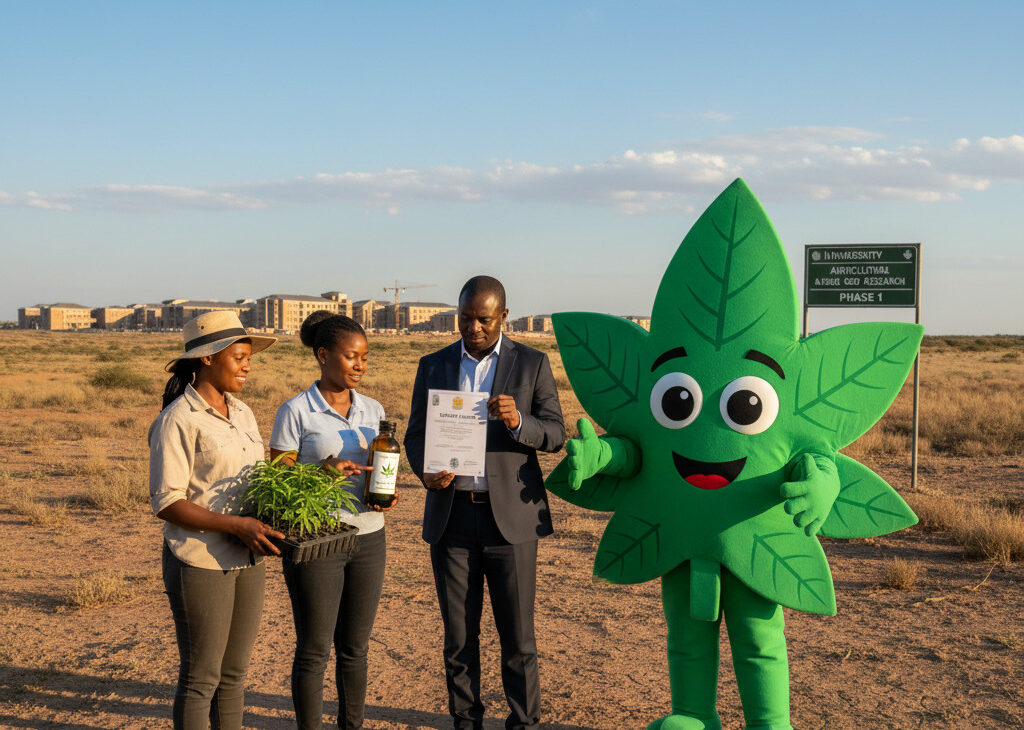
Botswana Hemp Regulations Impact on Farmers and Investors
Botswana hemp regulations are changing how farmers and investors approach industrial cannabis in Botswana.
These new rules set a clear THC cap and strict licensing steps, so companies must plan carefully.
Because CBD and recreational marijuana remain illegal, compliance risks are high for product makers and sellers.
The government capped THC at 0.7 percent and defined industrial cannabis operations.
Therefore cultivation, manufacturing, and research require specific licenses with security checks.
Trials begin at the Botswana University of Agriculture and Natural Resources, and the rollout will expand in phases.
Regulators require GPS coordinates, crop plans, and proof of financial capacity.
As a result, small farmers may face barriers while larger firms win early contracts.
However the law aims to diversify the economy away from diamonds and attract agribusiness investment.
Botswana’s arid climate offers over 3,200 hours of sunlight, which suits some hemp varieties.
Still, producers must factor testing, transport, and export controls into cost models.
Read on to learn what businesses must do to enter this controlled sector.
Botswana hemp regulations: Legal status
Botswana treats industrial cannabis as a tightly regulated agricultural product. The government defines industrial cannabis and caps THC at 0.7 percent. Therefore, hemp with more THC is not permitted. Meanwhile CBD products and recreational marijuana remain illegal. As a result, producers face strict criminal and administrative rules if they step outside the law. Trials started at the Botswana University of Agriculture and Natural Resources to test agronomy and value chains.
Botswana hemp regulations: Key laws and agencies
Regulation involves several ministries and enforcement bodies. The Ministry of Agriculture leads agronomic oversight. Security vetting and transport controls involve the Directorate of Intelligence and Security and the Botswana Police Service. Research and pilot trials connect universities and licensed research partners. For reporting and background on the rollout, see coverage at HempToday and Botswana Youth Magazine.
Key points at a glance
- THC limit for industrial cannabis set at 0.7 percent
- CBD products and recreational marijuana remain illegal
- Cultivation allowed only for licensed operators in commercial growing nurseries and seed production
- License durations vary because cultivation licenses last three years and manufacturing licenses last five years
- Licenses may be suspended or revoked for regulatory violations
- Imports and exports permitted but require strict documentation and approval
- Transport is a controlled activity with secure vehicles and chain of custody procedures
- Research has a separate licensed category covering trials breeding and product development
- Applicants must provide GPS coordinates proof of financial capacity and crop management plans
- Security clearance and criminal record checks are mandatory for many applicants
For more detailed reports on the new rules and security measures, read HempToday at HempToday and Botswana Youth Magazine at Botswana Youth Magazine. For recent coverage of police and intelligence involvement see The Gazette.
This framework aims to balance economic diversification and strict controls. However critics say the rules favor established companies with capital and security clearance. Therefore small farmers should study the licensing requirements before applying.
Botswana hemp regulations: Legal thresholds
Botswana sets a clear chemical threshold for industrial cannabis. The government capped THC at 0.7 percent. Therefore any crop above that limit does not qualify as legal hemp. Meanwhile CBD and recreational marijuana remain illegal under current law. Because of this, product makers face criminal and administrative risks if they process or sell CBD without authorization.
Botswana hemp regulations: Licensing requirements
The new rules require licences for cultivation manufacturing and research. Cultivation licences last three years while manufacturing licences last five years. Applicants must submit GPS coordinates, crop management plans, and proof of financial capacity. In addition, regulators require security clearance and criminal record checks. As a result, smallholders may struggle with upfront compliance costs and documentation.
Enforcement policies and compliance
Authorities enforce hemp law Botswana through inspections, testing, and transport controls. Transport counts as a controlled activity, and drivers must use secure vehicles with chain of custody procedures. Imports and exports need strict documentation and prior approval. Licences may be suspended or revoked for violations. For recent coverage of enforcement measures see HempToday and reporting at Botswana Youth Magazine.
Quick summary of key points
- THC threshold set at 0.7 percent (THC 0.7%)
- CBD and marijuana remain illegal
- Cultivation limited to licensed operators
- Licence durations three years for cultivation, five years for manufacturing
- Security clearances, GPS coordinates, and crop plans required
- Controlled transport and strict import/export controls
- Research permitted under separate licences
These elements form the core of cannabis regulation Botswana. Therefore businesses should plan compliance budgets and legal advice early.
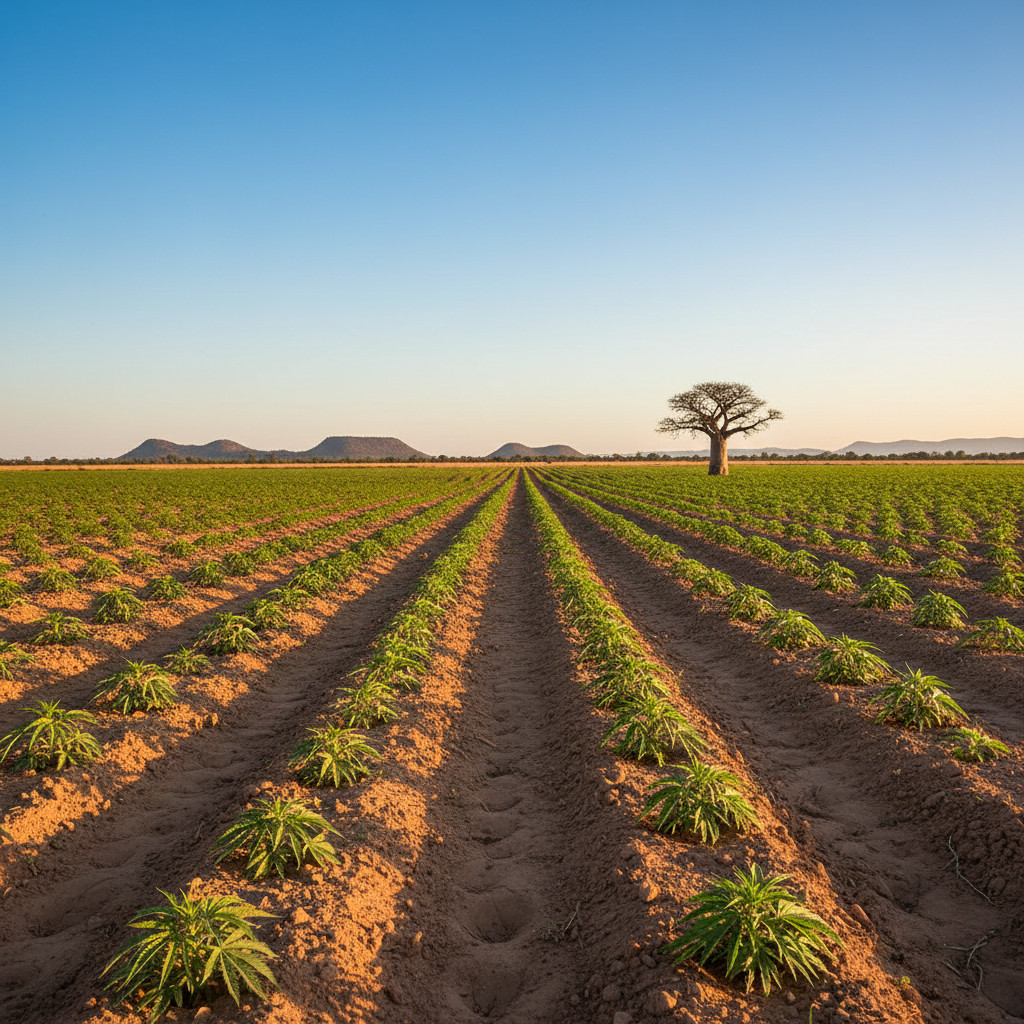
| Country | Legal status of hemp | THC limits | Licensing requirements | Notable enforcement aspects and sources |
|---|---|---|---|---|
| Botswana | Legal under strict industrial cannabis rules | 0.7% THC cap | Licenses required for cultivation manufacturing and research. Cultivation licences 3 years manufacturing 5 years | Transport is controlled. GPS coordinates security clearance and chain of custody required. Source |
| South Africa | Legal for industrial hemp under plant law | 2% THC limit for leaves and flowers | Registration and certification under the Plant Improvement Act and its regulations | National registration system and quality controls. Source |
| Lesotho | Legal for medical and industrial cultivation | No specific public THC cap in available regs | Operator licences required for cultivation processing export; security and seed-to-sale controls | Early adopter of medical cannabis licensing. Source |
| Zimbabwe | Legal for industrial hemp and research | 1.0% THC limit (dry weight) | Licences across farming research and merchandising categories; government oversight | Licences issued with limits on varieties and commercialization challenges. Source |
| Uganda | Legal for licensed medicinal cultivation and research after 2023 changes | THC limits not widely published | Licences issued for medical cultivation and export; ministerial oversight | Experimental licences granted with police supervision. Source |
| Kenya | Cannabis and hemp remain illegal | Not applicable | No legal licensing regime for hemp | Strict prohibition and active prosecution; recent court rulings upheld bans. Source |
Note: Rules and limits vary by statute and by year. Therefore consult the cited official links or legal counsel before investing or applying for licences.
Challenges for the Botswana hemp industry
The new rules create real compliance pressure, and smallholders feel this most. Because licences require security clearances and GPS coordinates, upfront costs rise quickly. In addition THC testing and maintained chain of custody add ongoing lab and logistics fees. Meanwhile CBD and recreational marijuana remain illegal, which limits product lines and revenue. Enforcement includes inspections, transport controls, and licence suspensions, so operators must stay audit ready. For reporting on enforcement and rollout, see HempToday.
Common hemp regulation challenges Botswana
- High compliance costs for licences, testing, and security
- Documentation demands including GPS crop coordinates and crop management plans
- Licence durations that may not match investment horizons
- Risk of licence suspension or revocation for breaches
- Limited product opportunities because CBD and marijuana remain illegal
- Potential exclusion of small farmers due to capital and vetting barriers
Opportunities for the Botswana hemp industry
Despite hurdles, the regulations create structured market entry and investor confidence. Therefore licensed operators can access defined cultivation and manufacturing pathways. Trials at the Botswana University of Agriculture and Natural Resources will support agronomy and seed selection. As a result, Botswana can develop exportable fibres and seed products under strict tracking. The government also aims to diversify the economy away from diamonds, which opens policy support for agribusiness. For a view on public private cooperation, see Botswana Youth Magazine.
Potential gains
- Clear THC thresholds that enable market predictability (THC 0.7%)
- Research licences for breeding and product development
- Strong sunlight and arid land suited to some hemp varieties
- Export potential with approved documentation and controls
- Opportunities for industrial fibre, seed oil, and non CBD value chains
Therefore businesses should model compliance costs early and seek partnerships. Early movers with capital and expertise may capture premium contracts under the new framework.
Understanding Botswana Hemp Regulations
Understanding Botswana hemp regulations matters for any business that plans to enter the industrial cannabis space. These rules set THC thresholds, licensing steps, and strict security controls. Therefore they change project economics and risk profiles rapidly.
Companies should model compliance costs early and form partnerships. In addition they should use research licences to test varieties and agronomy. As a result investors will reduce regulatory surprises and speed time to market.
For reliable, research-driven guidance, consider MyCBDAdvisor. MyCBDAdvisor provides full spectrum CBD and regulatory resources to guide strategy and compliance planning. Learn more at MyCBDAdvisor.
Frequently Asked Questions (FAQs)
What do Botswana hemp regulations require for growers and businesses?
Botswana hemp regulations require licences for cultivation manufacturing and research. The rules cap THC at 0.7 percent. Applicants must submit GPS coordinates crop plans and proof of financial capacity. In addition, regulators require security clearance and criminal record checks. Therefore companies should budget for testing security and administrative costs.
Can small farmers join the Botswana hemp industry and what challenges will they face?
Small farmers can join but face barriers. License fees testing and security demands raise upfront costs. Meanwhile documentation and vetting may exclude those without capital or legal help. For context see reporting on rollout and enforcement at HempToday here. As a result many smallholders will seek partnerships with established operators.
What products are legal under Botswana hemp regulations?
Industrial hemp for fibre seed and approved research is legal. However CBD products and recreational marijuana remain illegal. Consequently product development must focus on non CBD value chains unless regulations change. Research licences allow agronomy trials and seed selection.
How strict are enforcement and transport controls under the cannabis regulation Botswana?
Enforcement is strict. Authorities require secure transport chain of custody and approved documentation for imports and exports. Licences may be suspended or revoked for breaches. Moreover police and intelligence roles increase compliance scrutiny. For government partnership news see Botswana Youth Magazine here.
What opportunities exist despite hemp regulation challenges Botswana?
Opportunities include exportable fibre seed oil and research driven innovations. Botswana’s arid climate and 3 200 hours of sunlight favour certain varieties. Therefore investors can build traceable supply chains and high quality non CBD products. Early movers who model compliance costs and partner with research institutions will likely gain the most.