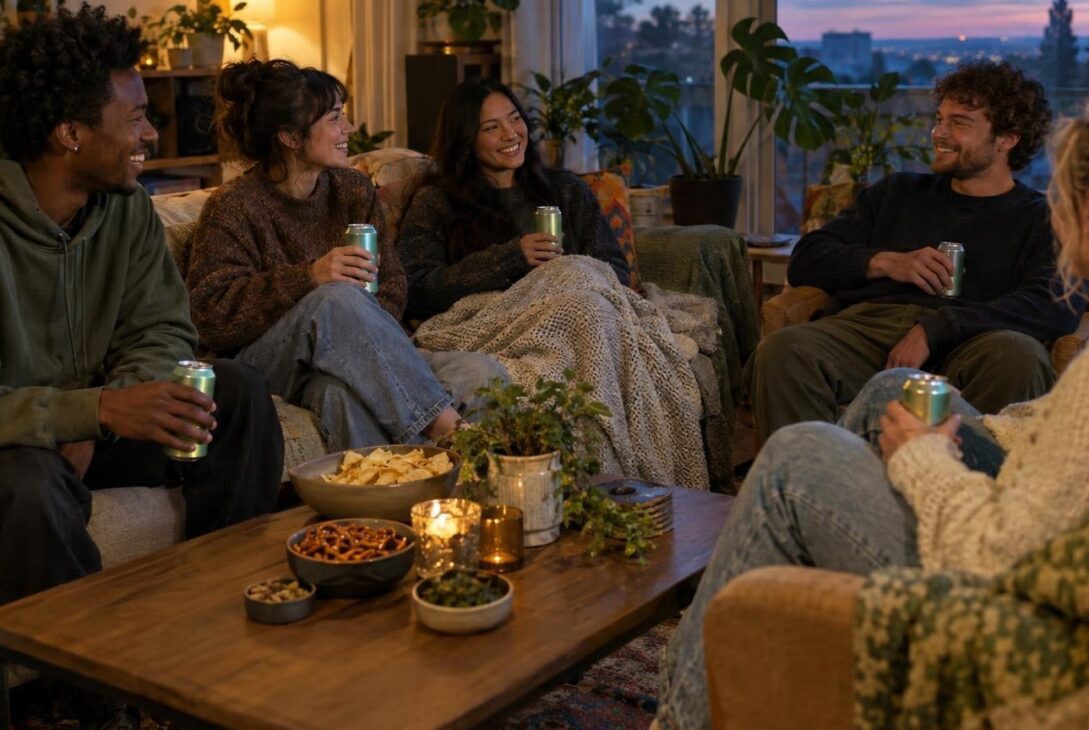
Cannabis beverages replacing alcohol rituals are quietly changing how people gather and celebrate at parties and homes. This trend signals a cultural shift, because younger adults drink less alcohol than previous generations. However, the change goes beyond drinking rates to how groups maintain a sense of belonging. It reframes the object in hand as a social lubricant that needs no apology or explanation.
Sober-curious guests, designated drivers, and wellness seekers now choose low-dose, sessionable THC drinks for evenings out. As a result, new norms form around taste, labeling, serving sizes, and predictable effects. Transparency in dosing matters more than ever, because consumer safety and inclusion depend on clear data. The Minnesota market and other early adopters show both strong demand and gaps in product labeling.
Therefore, this article will unpack market trends, public health considerations, and changing social rituals. You will learn how sessionable formats fill a belonging gap without the alcohol aftermath or shame. Read on for practical insights, consumer stories, and evidence-based guidance about THC drinks. Along the way, we highlight labeling best practices, dosing data, and questions regulators face.
Are cannabis beverages replacing alcohol rituals?
The phrase cannabis beverages replacing alcohol rituals reflects an emerging trend driven by growing consumer interest and changing norms. Market data shows higher trial rates among younger adults and demand for low-dose, sessionable THC drinks. However, widespread replacement depends on labeling, dosing transparency, and regulatory clarity. Early markets like Minnesota suggest momentum but reveal product gaps to address.
Why cannabis beverages are replacing alcohol rituals
The rise of cannabis beverages replacing alcohol rituals reflects health, social, legal, and lifestyle shifts. Younger adults are drinking less, which creates space for alternatives and new rituals. Because many seek predictable, lower-intensity effects, low-dose THC drinks fit evening and daytime social life.
Key reasons for the shift include
- Health considerations: People choose alternatives for fewer calories, reduced hangovers, and perceived health benefits of cannabis drinks. As a result, wellness seekers opt for sessionable formats that support moderation.
- Changing social attitudes: Growing social acceptance of cannabis makes cannabis drinks easier to share at gatherings without stigma. Therefore, the belonging gap narrows when no one needs to explain their drink.
- Legal accessibility: Wider legalization and regulated retail channels increase safe access, and consumer confidence grows with transparent labeling and dosing.
- Lifestyle preferences: Consumers want functional beverage formats that match active, sober-curious lifestyles, including low-dose THC and microdosing options.
- Market signals: Retail data show rising interest in low-dose, sessionable products, pointing to demand for more 2.5–5 mg formats and clearer THC drink data here.
These trends combine because culture, safety, and product design align. However, broad replacement depends on better labeling, dosing transparency, and more consistent public health guidance. Read on to explore market evidence, consumer stories, and practical dosing tips.
Cannabis beverages vs alcoholic drinks
Below table summarizes key differences to show how cannabis beverages replacing alcohol rituals plays out in practice. Because each format affects social rituals differently, compare effects, health impact, social acceptance, regulatory status, and consumption rituals.
| Category | Cannabis beverages | Alcoholic beverages |
|---|---|---|
| Effects | Low-dose, dose-controlled psychoactive effects with sessionable, milder buzz | Ethanol causes escalating impairment; quick intoxication and impaired judgment with higher doses |
| Health impact | Fewer calories and no classic hangover; risks include impaired coordination and drug interactions | Linked to liver disease, heart risks, calories, and hangovers; heavy use raises mortality |
| Social acceptance | Growing social acceptance of cannabis, yet stigma persists in some circles | Deep cultural norms and rituals; broadly accepted across age groups |
| Regulatory status | Patchwork legalization; state regulated where legal and subject to THC limits | Nationwide regulatory frameworks with consistent age and distribution rules |
| Consumption rituals | Sessionable sipping, sharing without strong intoxication signals; toasts are evolving | Established rituals like toasts and rounds; drinking often signals celebration |
This comparison highlights why cannabis beverages replacing alcohol rituals is plausible.
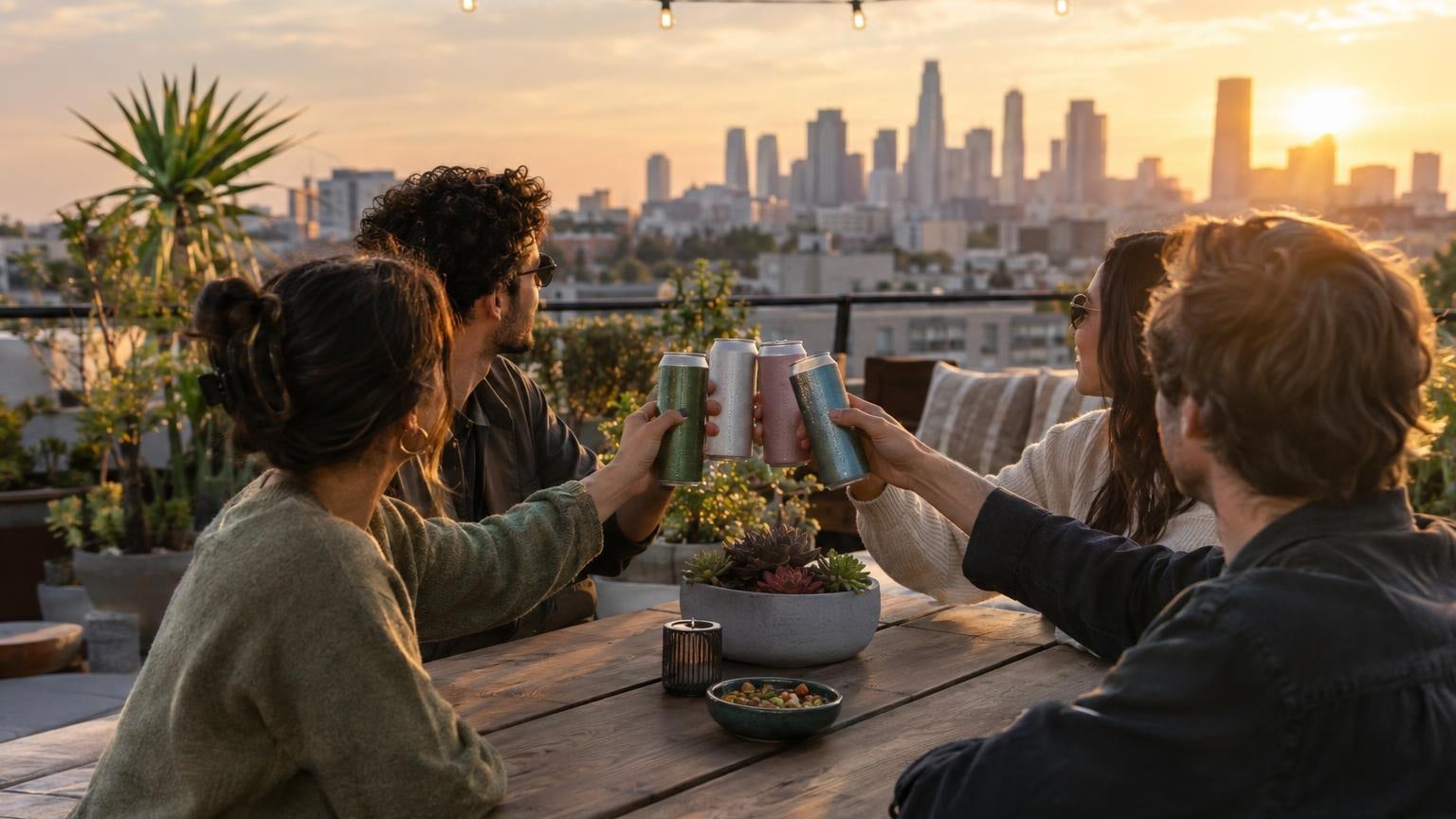
How to incorporate cannabis beverages into social rituals
Trying cannabis beverages replacing alcohol rituals begins with simple planning and clear expectations. Because these drinks deliver low-dose, sessionable effects, treat them like any functional beverage. Therefore, decide the vibe you want before guests arrive.
Follow these practical steps to introduce THC drinks with confidence:
- Choose lab-tested products with clear THC and CBD labels and transparent dosing.
- Start low and go slow by offering 2.5 to 5 mg options for new or sober-curious guests.
- Space servings over time and provide water and snacks to reduce overconsumption.
- Host openly by explaining product types, expected effects, and approximate onset times.
- Respect boundaries by offering nonintoxicating alternatives and never pressuring guests to try a drink.
After you plan, set up atmosphere cues that feel familiar. For example, use casual glassware, mocktail options, and shared platters to keep rituals inclusive. Also, label pitchers and bottles clearly so guests know what they drink.
Finally, use authoritative resources when you need safety guidance. The National Institute on Drug Abuse covers health effects and safe use, and the CDC answers common consumer questions. As a result, hosts can create welcoming gatherings that honor personal choices, support sober-curious friends, and build new rituals with respect.
Trusted research on cannabis beverage trends
Research helps explain why cannabis beverages replacing alcohol rituals is gaining traction. Below are authoritative studies and industry reports that track consumer trial, market growth, and search interest.
- New Frontier Data findings show beverages remain niche but growing. The report notes that “only 1% of current cannabis consumers identified beverages as their primary or preferred product form,” while 19% of consumers ages 18 to 34 had tried an infused beverage. The data highlight higher trial rates among younger adults and social-use potential. Read more here.
- BDSA market analysis projects steady category growth and frames beverages as alcohol-adjacent formats. BDSA forecasts rising retail sales and highlights ready-to-drink formats as dominant in early markets. The report also warns that beverages face production and distribution challenges needing industry solutions. Access the report.
Together these sources show growing consumer interest, especially among younger cohorts. However, they also underline the need for clearer dosing data, reliable labeling, and sensible regulation to support safe social use.
Conclusion
Cannabis beverages replacing alcohol rituals are reshaping social life and wellness choices. Younger adults drink less, and interest in low-dose, sessionable THC drinks is rising. These products offer fewer calories and lower hangover risk, and they support sober-curious lifestyles. However, widespread replacement depends on clearer labeling, reliable dosing, and consistent regulation.
Make informed choices by checking lab testing, cannabinoid amounts, and onset times. Also, start low and wait at least ninety minutes before repeating a serving, because onset can vary. If you have health conditions or take medications, consult your clinician first. For practical guidance, product reviews, and community resources visit myCBDadvisor.
Markets from Minnesota to other early adopters show momentum, but regulators must catch up. Therefore, advocates and manufacturers should press for transparent THC drink data and consumer-friendly labeling. As a result, cannabis beverages can become reliable options for social gatherings that prioritize inclusion and safety.
Ultimately, this shift offers a chance to rebuild rituals around connection rather than only intoxication. With better science, clear policy, and honest marketing, these drinks can support both wellness and sociability. Explore thoughtfully, and enjoy new social rituals with care.
Frequently Asked Questions (FAQs)
Are cannabis beverages safe to use?
Cannabis beverages can be safe when you pick lab-tested products and follow clear dosing guidelines on the label. They still impair coordination and may interact with prescriptions, so exercise caution and avoid risky activities. If you have health conditions or take medications, consult your clinician before trying THC drinks. Also, avoid use if pregnant, breastfeeding, or driving to protect yourself and others.
Are cannabis beverages legal?
Legal status varies by state and country because cannabis laws differ widely and change often. Many states allow regulated THC products while others limit or ban infused beverages entirely. Hemp-derived beverages may follow different rules, so check product classification, THC content, and labels. As a result, always verify local law, retail licensing, and age restrictions before purchasing.
How do effects compare to alcohol?
Cannabis drinks often deliver low-dose, sessionable effects that feel milder than heavy drinking and suit longer conversations. Onset can take thirty to ninety minutes, and peak effects may last several hours depending on metabolism. Individual tolerance varies, and environment and mindset shape how you experience these effects. Use caution when mixing substances, because combined impairment can increase unpredictability and risk.
How should I dose cannabis beverages?
Start low and go slow with two and a half to five milligrams of THC, especially if you are new to cannabis. Wait at least sixty to ninety minutes before repeating a serving to accurately judge onset and intensity. Keep clear notes on dosages, effects, and timing to learn your personal response over several occasions. If unsure, seek pharmacist or clinician advice before serving guests, and always provide nonintoxicating options.
Will people accept cannabis beverages at social events?
Social acceptance is growing, especially among younger adults, the sober-curious, and wellness-oriented communities. However, stigma persists in some circles, so respect guest comfort, privacy, and cultural preferences when you host. Open hosting, transparent labeling, and clear house rules help normalize these drinks and remove social friction. Over time, conversation reduces stigma, builds rituals around connection, and supports inclusive gatherings.
Related on CBD Advisor
- Will Tennessee hemp-derived THC ban hit your bottom line
- What risks come with New York seed-to-sale compliance deadline