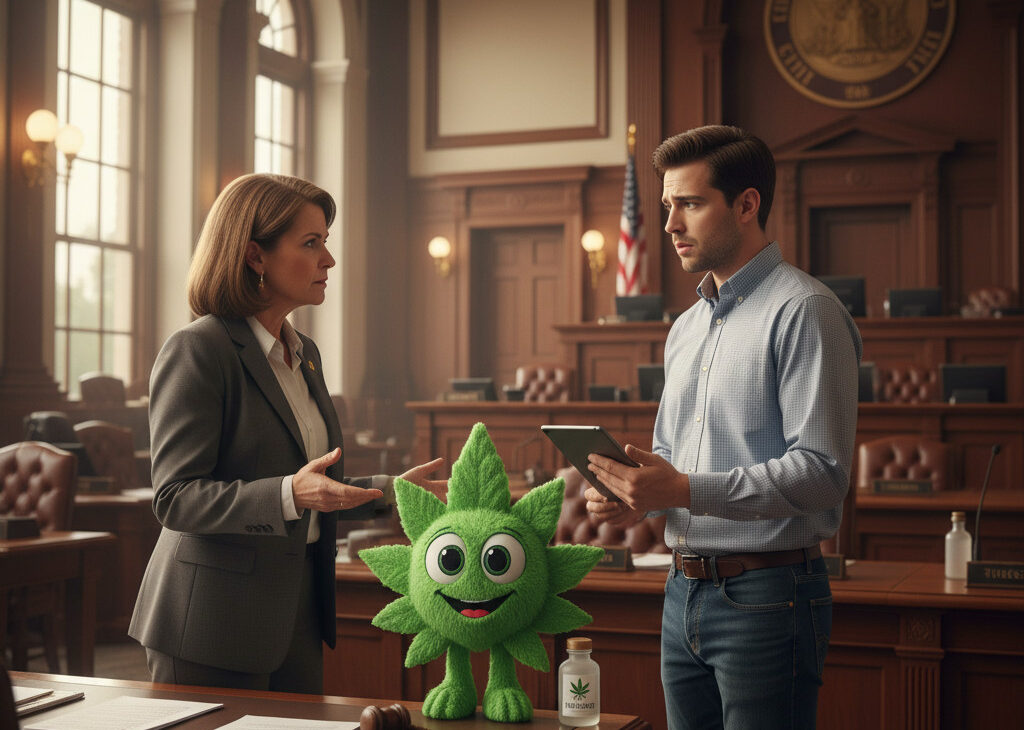
Chicago bans intoxicating hemp products with beverage carve-out: What it means for bars and consumers
Chicago bans intoxicating hemp products with beverage carve-out, a move that reshapes local hemp policy and commerce. The City Council approved the ban and allowed THC beverages under liquor licenses. However, the ordinance tightens packaging rules and protects topical creams, because officials want to limit youth exposure. Set to take effect on April 1, the law could face a veto from Mayor Brandon Johnson, and it arrives as Congress moves toward a nationwide ban on hemp derived cannabinoids this November, which could create conflicting rules for retailers and lawmakers across municipal and federal levels, and small operators worry about compliance and lost revenue while public health advocates focus on youth protection.
As a result, business owners, bars, restaurants, and consumers need clear guidance on sales rules, packaging, marketing limits, and licensing, and this article will explain what to expect, how enforcement might work, and steps to stay compliant, including specific next steps.
Chicago bans intoxicating hemp products with beverage carve-out: Legislative background
Chicago’s City Council framed the ban as a public health and youth protection measure. However, aldermen also included a beverage carve-out that lets THC-infused drinks be sold under liquor licenses. Because lawmakers wanted to avoid a total shutdown of on-premise services, they protected bars and restaurants while tightening hemp regulations for retail sales. The move builds on local concerns about a growing gray market for intoxicating hemp. As a result, regulators added strict packaging rules and marketing limits to prevent youth appeal.
Key reasons and legal context
- Public health concerns motivated the ban, especially for untested hemp-derived THC products. Therefore, the council aimed to reduce accidental exposures and unclear potency claims.
- The beverage carve-out creates a clear legal exception for establishments with liquor licenses. As a result, bars can use hemp-derived THC additives under defined rules.
- The ordinance protects hemp-derived topical creams from the general ban, because they pose lower ingestion risks.
- The decision arrives amid federal action that may limit hemp products nationwide. For background, see detailed coverage of the federal spending bill at here and local reporting at here.
What this means for consumers and businesses
- Consumers should watch labeling and serving rules for THC beverages. Also, expect stricter age checks.
- Small businesses must review liquor license rules and compliance steps. Otherwise, they risk fines or loss of permit.
Quote
“I’m going to have conversations with a number of members of the City Council. We don’t want to exclude small businesses from participating in the economy.” — Mayor Brandon Johnson, reported at here

Comparison table: Chicago bans intoxicating hemp products with beverage carve-out across major U.S. cities
Below is a concise comparison of how several major U.S. cities handle intoxicating hemp products, including beverage carve-outs. This table highlights differences in local hemp regulations, intoxicating hemp controls, and legal exceptions.
| City | Ban status | Beverage carve-out status | Unique regulatory notes |
|---|---|---|---|
| Chicago | Ban passed by City Council; effective April 1 | Allowed for establishments with liquor licenses | Tight packaging rules; topical creams exempt; potential mayoral veto |
| New York City | No citywide ban; local guidance varies | No formal city carve-out reported | Relies on state and federal enforcement; retailers face mixed enforcement |
| Los Angeles | No citywide ban; local restrictions possible | Rare and handled case by case | County and city inspections target unregulated products |
| San Francisco | No citywide ban; proposals have circulated | No clear carve-out in city code | Local public health offices issue warnings and guidance |
| Denver | No citywide ban; state cannabis framework dominant | Carve-outs governed by state cannabis rules | Licensed cannabis market separates hemp from regulated cannabis |
| Seattle | No citywide ban; enforcement varies | No consistent carve-out across city | State and city agencies coordinate on consumer safety |
Notes
- Regulations change quickly, and local or state rules may supersede city measures.
- For businesses and consumers, check local ordinances and liquor license rules before selling or using hemp-derived THC beverages.
Chicago bans intoxicating hemp products with beverage carve-out: Industry impact
Local hemp businesses face immediate compliance costs and uncertainty. Therefore, producers and retailers must review inventories and labels. Smaller operators risk lost revenue because many relied on intoxicating hemp sales. Meanwhile, bars and restaurants gain a limited new product line under liquor licenses. However, they must adapt to stricter packaging and marketing rules. As a result, some venues may delay offering THC-infused drinks.
Chicago bans intoxicating hemp products with beverage carve-out: Consumer impact
Consumers should expect fewer retail options and clearer labeling. Therefore, accidental exposure risk may fall, especially for young people. However, adult patrons at licensed venues can still access THC beverages under defined rules. The carve-out may push more consumption into on-premise settings, which changes where people try hemp products.
Key challenges and likely market changes
- Compliance complexity because city rules differ from federal and state law
- Price shifts as retailers remove certain products
- Consolidation pressure on small hemp businesses
- Increased on-premise demand for THC-infused beverages at bars
In short, the ordinance reshapes supply chains and consumption patterns. Businesses must plan now to stay compliant and avoid fines.
CONCLUSION
Chicago bans intoxicating hemp products with beverage carve-out has reshaped local policy and market choices. The City Council passed a ban that restricts retail sales while allowing THC-infused beverages in liquor-licensed venues. This narrow carve-out preserves on-premise service, but it pairs with strict packaging rules and protections for topical creams. The ordinance takes effect April 1 unless Mayor Brandon Johnson vetoes it, so uncertainty remains.
Meanwhile, federal moves toward a nationwide hemp cannabinoid ban could further complicate compliance for retailers and bars. For businesses, the immediate tasks are inventory review, label changes, and liquor-license checks. For consumers, expect fewer retail options and clearer labeling, and therefore reduced accidental exposure risk.
Frequently Asked Questions (FAQs)
What exactly does Chicago ban cover under “Chicago bans intoxicating hemp products with beverage carve-out”?
The ordinance bans most intoxicating hemp products sold at retail. However, it allows THC-infused beverages in venues with liquor licenses. The law protects hemp-derived topical creams. It also tightens packaging rules and bans marketing aimed at children. The rule goes into effect April 1, so retailers and consumers should prepare now.
Can bars and restaurants still serve THC beverages?
Yes. Licensed bars and restaurants can serve THC-infused drinks under the carve-out. Yet establishments must follow strict serving, labeling, and age-verification rules. Also, venues may face local inspections and enforcement. Therefore, owners should check their liquor-license conditions before offering THC drinks.
When does the ban take effect and could the mayor veto it?
The ordinance is slated to take effect on April 1. However, Mayor Brandon Johnson could veto the law. If he vetoes it, the City Council may attempt to override that veto. Meanwhile, businesses should plan for both outcomes because enforcement could begin quickly.
What should retailers and consumers do to stay compliant?
Retailers must review inventories and remove prohibited products. They should update labels and packaging where needed. Also, consult legal counsel or local licensing authorities for clarity. Consumers should buy from licensed venues and check product labels. As a result, confusion and accidental exposure risk will fall.
How does this city ordinance interact with impending federal hemp rules?
Federal lawmakers approved a spending bill that may ban hemp-derived cannabinoids nationwide in November. Therefore, local rules could conflict with future federal law. As a result, businesses face layered compliance from city, state, and federal levels. Keep monitoring official guidance and consult regulators for updates.