

This article explains the purpose: to examine the Halloween marijuana candy scare, review the evidence, assess the economics, and offer practical safety steps for families:
- Evidence: documented incidents, investigations, and public health data
- Money math: why mass tampering is unlikely and how edible economics work
- Safety tips: practical steps for families and guidance after a suspected exposure
Because the topic resurfaces each October, it affects family behavior and official messaging. However, public concern often mixes verified pediatric edible exposures with viral urban legends. It separates confirmed cases from rumors and focuses on what the evidence shows.
This article keeps a neutral, fact-focused tone and cites official sources where possible. Therefore readers can expect clear facts, practical advice, and steps to protect children without unnecessary alarm.
The Halloween marijuana candy scare claims strangers hand out cannabis-laced candy to trick-or-treating children, causing accidental intoxication or poisoning and prompting annual warnings from parents, police, and social media. It is a recurring viral worry each fall.
Because the claim resurfaces every year, the term Halloween marijuana candy scare sums the cycle of alarm, reposts, and local advisories. However, the idea mixes older urban legends with modern fears about edibles and new drug headlines.
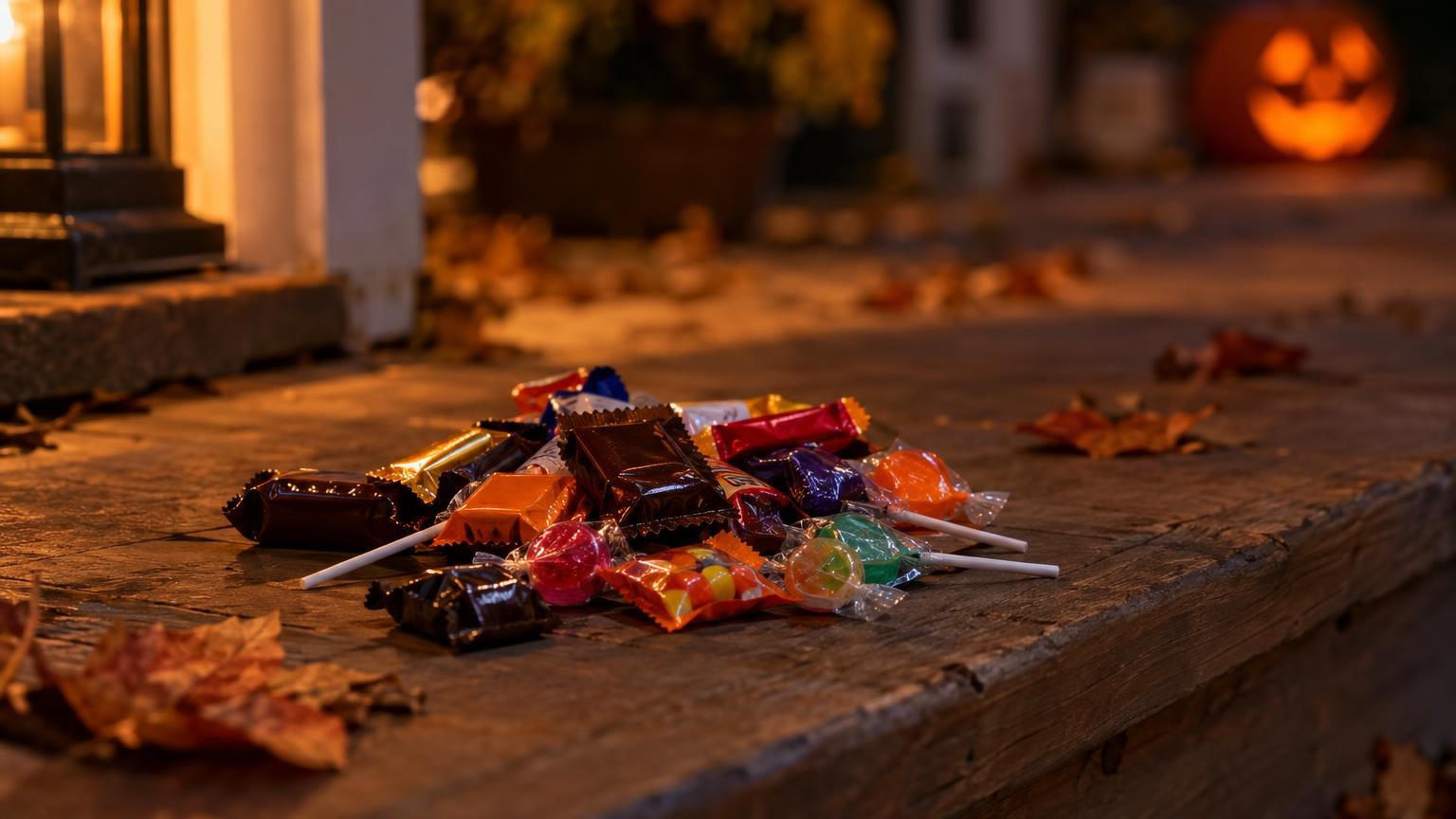
Edible cannabis can cause delayed and prolonged effects, and accidental ingestion by children may lead to serious drowsiness, breathing problems, or hospital admission. For that reason, the main risk is unintended pediatric exposure to products that look like candy.
Because edibles often resemble sweets, young children are especially vulnerable. Moreover, the American Academy of Pediatrics found large increases in edible-cannabis exposures among young children, with many cases requiring hospital care (AAP analysis of pediatric edible exposures).
For immediate advice after a suspected ingestion, Poison Control outlines symptoms and recommends contacting 1-800-222-1222 or webPOISONCONTROL.
The CDC also warns that edible products can produce stronger and longer effects than smoked cannabis, increasing the risk of unintentional overconsumption (CDC guidance on cannabis poisoning).
Therefore seek emergency care for severe symptoms such as difficulty breathing, extreme drowsiness, or loss of consciousness.
Reported Incidents and Media Coverage
Major investigations have found no documented cases of strangers intentionally giving THC-laced Halloween candy (Washington Post investigation (2017)).
Overall, below is a table of notable reports and local incidents referenced in major coverage:
| Date and location | Candy type | Confirmed outcome | Key sources |
|---|---|---|---|
| 2017 (various U.S.) | Alleged cannabis-laced candy | No confirmed cases | Washington Post investigation (2017) |
| Nov 1, 2017, Nampa, ID | Small bag of suspected marijuana (not candy) | Reported, not confirmed | City of Nampa news release |
| Oct 31, 2018, St. Louis (DEA) | Suspected drug-laced candy reports | No confirmed child poisonings, lab testing advised | DEA Halloween alert (2018) |
| Nov 1, 2022, Richmond, BC | Packaged THC product consumed | Confirmed accidental THC ingestion, warning issued | Richmond RCMP warning (2022) |
Why the Halloween Marijuana Candy Scare Matters
The Halloween marijuana candy scare matters because it changes how families, schools, and health systems prepare for the holiday.
- Families face increased anxiety and take extra precautions during trick-or-treat. For example, suspected edible exposures sometimes prompt unnecessary emergency-room visits, which burden families and hospitals, according to guidance on child edible ingestion guidance on child edible ingestion. Consequently, some parents report skipping neighborhood trick-or-treating.
- Schools and first responders must investigate reports and modify safety plans. As a result, police and emergency resources can be diverted from true emergencies and routine calls.
- Public health messaging must correct myths so agencies can focus on real hazards. A national study of pediatric edible exposures documents rising accidental ingestions and hospital admissions, which require clear prevention efforts national study of pediatric edible exposures. Therefore communities need accurate information to respond proportionately.
Is the Halloween Marijuana Candy Scare Overblown?
Evidence suggests the Halloween marijuana candy scare is largely overblown, though real risks exist from accidental edible exposures. Because thorough investigations have found no documented cases of strangers intentionally giving THC-laced Halloween candy, mass alarm is not backed by strong evidence.
However, agencies and experts note real dangers from unsupervised edibles and mislabeled products. The DEA issued advisories in some years, and pediatric poison control calls for edible exposures have risen. Therefore, a balanced view treats the scare as overemphasized but still worth measured precautions.
Final Thoughts
The Halloween marijuana candy scare deserves skepticism because hard evidence of strangers giving THC-laced sweets is scarce.
Still, accidental edible exposures do happen, so families should take clear, practical steps to check treats and teach children about not eating unwrapped items.
Aim for vigilance without panic by checking candy promptly, supervising young trick-or-treaters, and calling Poison Control or emergency services if a child shows worrying symptoms.
Related on CBD Advisor
- Cannabis edibles pot stickers recipe and weed hangover guidance
- Oregon 10 mg THC cap for cannabis edibles—pros, cons
- Cannabis Use Among Sports Fans at Sporting Events: Who Uses It Most