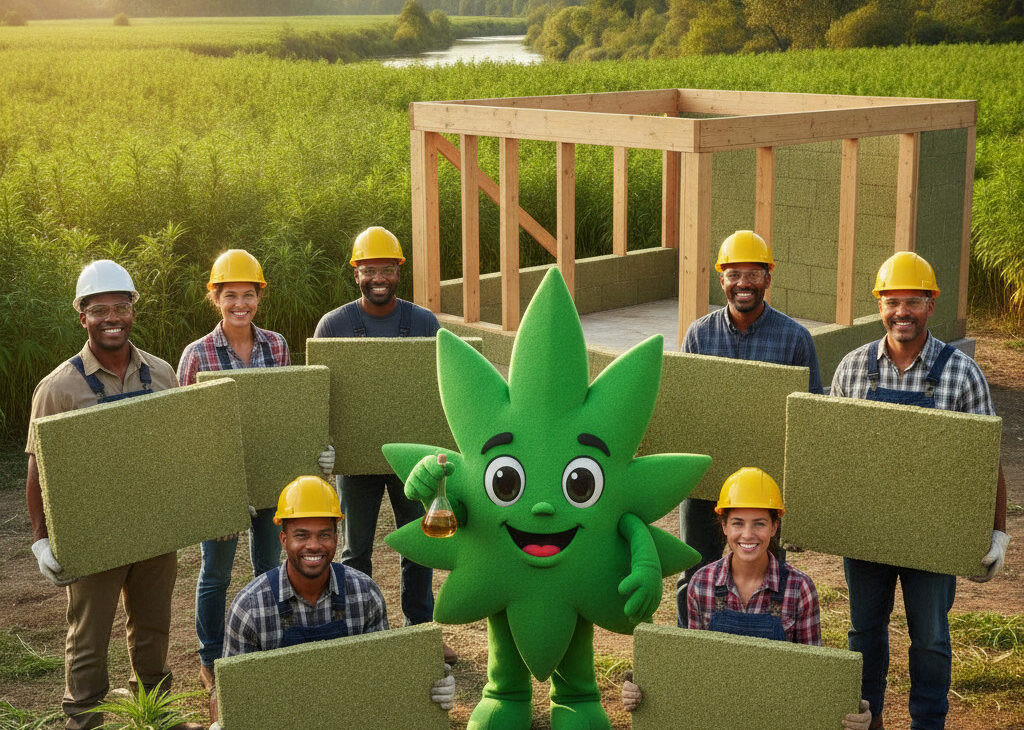
Hempcrete performance: Why this material matters for sustainable building
Hempcrete performance determines thermal comfort, fire resistance and embodied carbon in low carbon construction. It matters because it links material science to whole of life outcomes for buildings. Moreover, hempcrete panels combine strong insulation with moisture regulation, and thus support healthier indoor environments.
Because the binder and hurd come from plant based inputs, embodied carbon falls sharply compared with cement heavy mixes. As a result, prefabrication with hempcrete reduces on site emissions and speeds delivery for social housing projects.
However, scaling depends on decortication and quality standardization to ensure consistent hurd for manufacturing. Consequently, investment in processing infrastructure and regional hubs will unlock repeatable panel production. The stakes are practical and urgent for Australia and other markets seeking bushfire resilient and low carbon solutions.
Therefore, readers should track performance metrics, codes and pilot projects that translate hempcrete from a niche product into a mainstream building material.
Key drivers of hempcrete performance
Hempcrete performance depends on several interlinked factors. Material makeup, processing quality and site conditions shape thermal comfort and durability. Therefore, builders must evaluate composition, curing and moisture control to predict long term outcomes. Below we break down the main influences and practical implications.
Material composition and hempcrete performance
- Binder type and ratio directly affect strength and carbonation. Because lime binders vary, mixes change in stiffness and breathability.
- Hemp hurd quality matters for insulation and density. Decortication and consistent hurd size improve repeatability and thermal performance.
- Admixtures and aggregate choices influence fire resistance and embodied carbon. For instance, plant based inputs lower lifecycle emissions.
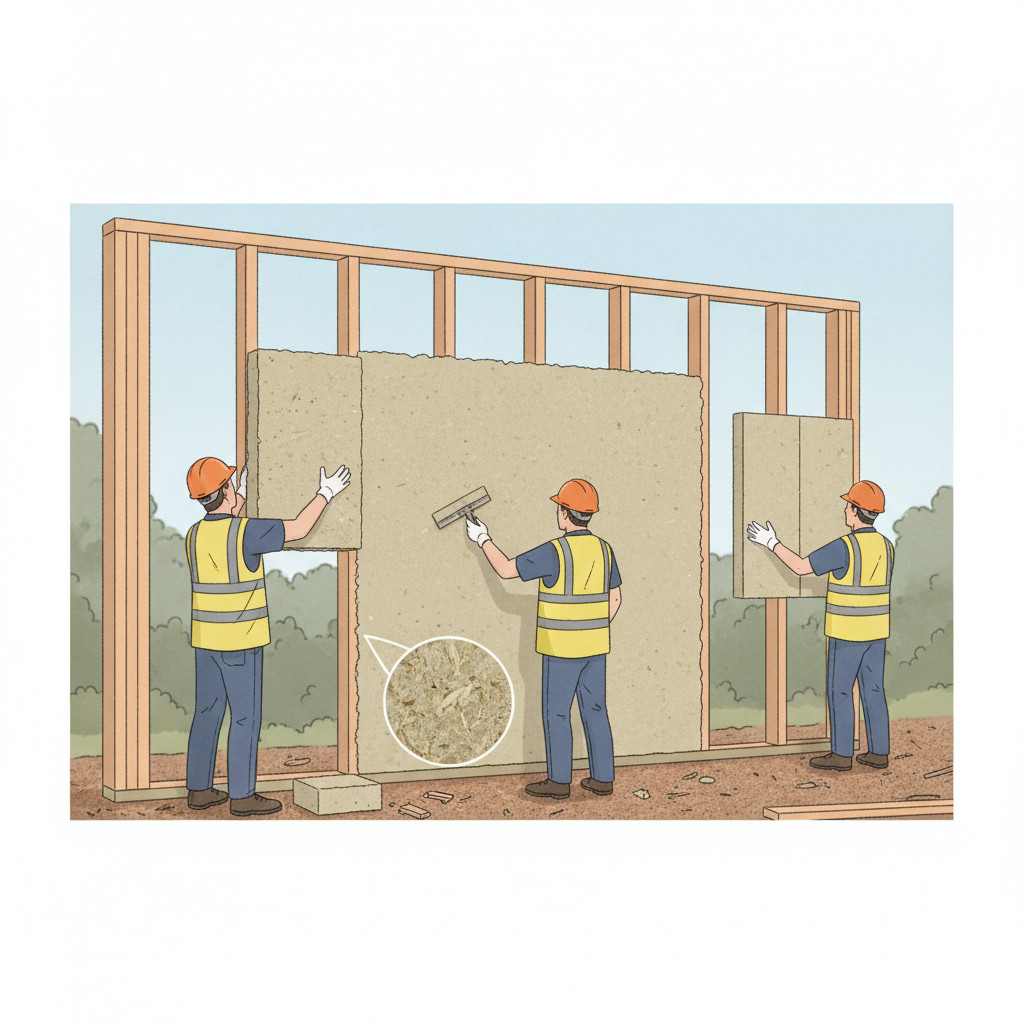
Short note: hempcrete panels use controlled mixes to tune density and insulation for prefabrication and on site assembly.
Curing time and hempcrete performance
- Curing length determines final strength and hygrothermal behavior. Faster drying can leave internal stresses and lower long term durability.
- However, slow carbonation may improve CO2 uptake and dimensional stability. Therefore, projects should balance schedule with performance targets.
- Controlled curing environments in factories help prefabricated panels achieve consistent results. As a result, factory production reduces on site variability.
Humidity resistance and hempcrete performance
- Hempcrete regulates moisture through porosity and vapor permeability. This reduces condensation risk and improves indoor air quality.
- Yet exposure to prolonged liquid water can reduce performance. Consequently, proper weatherproofing and detailing remain essential, especially in wet climates.
- Regional hubs and quality standardization reduce variation in hurd and binder that affect moisture regulation.
Thermal properties and hempcrete performance
- Thermal conductivity depends on density and mix ratio. Typically, hempcrete offers strong insulation and useful thermal mass for temperate climates.
- Therefore, designers can rely on hempcrete for energy efficiency and whole of life performance targets.
- For more on practical performance and industry perspectives, see this HempToday interview: HempToday Interview.
Processing, standardization and scale for hempcrete performance
- Decortication and hurd quality are bottlenecks for predictable panel production. Targeted processing infrastructure matters for manufacturing throughput.
- As a result, investment and performance based pathways lower risk and unit cost. For regional development and industry shifts, consult this industry piece: industry piece.
- Additional practical guidance is available at Ecohome: Ecohome Guide.
Related keywords and synonyms: hempcrete panels, decortication, quality standardization, prefabrication, embodied carbon, moisture regulation, thermal comfort.
Hempcrete performance comparison table
Below is a quick comparison of hempcrete performance versus common building materials. It highlights thermal behaviour, sustainability, moisture response and durability to help designers and policymakers decide quickly.
| Material | Thermal insulation | Sustainability (embodied carbon) | Moisture resistance | Durability and fire resistance |
|---|---|---|---|---|
| Hempcrete | High insulation and useful thermal mass | Very low embodied carbon; plant based inputs | Breathable and regulates humidity; avoid prolonged liquid exposure | Good fire resistance; resists rot when kept dry; long service life |
| Concrete | Low insulation unless insulated externally | High embodied carbon due to cement | Poor vapor regulation; can trap moisture | Very durable structurally; prone to cracking and spalling over time |
| Brick | Moderate insulation; thermal mass benefits | Medium embodied carbon depending on kiln energy | Moderate moisture tolerance; needs good detailing | Durable in many climates; good fire resistance |
| Wood (timber) | Moderate insulation; performs well when insulated | Low embodied carbon if sustainably sourced | Susceptible to decay without protection; breathable when detailed | Durable with treatment; combustible but can be fire treated |
Notes: performance varies with mix, density and detailing. Therefore, testing and standardization remain critical for repeatable results.
Environmental benefits and hempcrete performance
Hempcrete offers vivid sustainability wins that matter to green builders. Because it uses plant based hurd and lime, embodied carbon drops sharply. Moreover, hemp plants capture carbon during growth. As a result, hempcrete panels can act as partial carbon sinks over their lifecycle.
Hempcrete helps green building practices in three broad ways:
-
Carbon sequestration and low embodied carbon
- Hemp absorbs CO2 while it grows, and lime binder carbonates over time.
- Therefore, whole of life emissions can be much lower than conventional mixes.
- For background on lifecycle and performance, see HempToday.
-
Renewable materials and regional supply chains
- The hurd and binder come from crops and mineral binders, not petrochemicals.
- Consequently, regional farming supports rural jobs and short transport loops.
- Prefabricated hempcrete panels benefit from consistent mixes and factory quality control.
-
Recyclability and end of life benefits
- Hempcrete deconstructs more cleanly than many composites.
- Moreover, crushed hurd and lime can reenter soil or be reused in low grade fill.
- Therefore, demolition yields fewer toxic residues than many modern composites.
Beyond these features, hempcrete supports passive design goals. It moderates indoor humidity and reduces condensation risks. Thus, it improves occupant health and lowers HVAC loads. Additionally, hempcrete’s low thermal conductivity helps meet energy efficiency benchmarks.
Practical caveats and policy levers
- Processing and quality standardization remain critical for consistent performance. Without reliable decortication, hurd varies in size and thermal behaviour.
- Targeted investment in processing infrastructure and regional hubs will unlock cost reductions and scale. For industry context, see Ecohome’s practical guide.
In short, hempcrete aligns with circular construction, low embodied carbon goals and resilient, prefabricated delivery. Therefore, it represents a pragmatic route to greener social housing and bushfire resilient builds when paired with standards and processing scale.
Conclusion
Hempcrete performance combines several practical advantages for low carbon construction. It delivers strong insulation, moisture regulation and inherent fire resistance. Therefore, hempcrete panels reduce whole of life emissions and support healthier indoor environments. However, scaling requires investment in decortication, quality control and processing infrastructure to ensure consistent hurd and repeatable mixes.
MyCBDAdvisor provides evidence based, easy to understand guidance on hemp and hemp derived products. Visit our site for updates, pilot project summaries and practical resources: MyCBDAdvisor. We focus on clear analysis that helps policymakers, designers and builders make informed choices. In short, hempcrete offers a pragmatic route to greener buildings when matched with standards, regional processing and performance driven regulation.
Frequently Asked Questions (FAQs)
What is hempcrete and why does hempcrete performance matter?
Hempcrete is a bio composite made from hemp hurd and lime binder. It matters because performance influences insulation, moisture control and whole of life emissions. Therefore, good performance lowers energy use and long term maintenance.
What main factors influence hempcrete performance?
Composition of binder, hurd size and mix ratio affect strength and thermal behaviour. Curing time changes final stiffness and carbonation. Moisture exposure, density and processing quality also change hygrothermal properties. As a result, consistent materials and controlled curing give predictable results.
Can hempcrete handle wet or humid climates?
Hempcrete breathes and regulates indoor humidity. However, prolonged liquid water will harm performance. Consequently, designers must include good detailing, raised footings and weatherproofing in wet regions.
How sustainable is hempcrete compared with traditional materials?
Hempcrete uses renewable plant inputs and stores carbon during plant growth. It typically has much lower embodied carbon than cement heavy mixes. Moreover, crushed hempcrete can return to soil or be reused, which supports circular construction.
How can builders ensure consistent hempcrete performance on projects?
Use standardized mixes and quality controlled hurd from reliable processors. Prefabrication helps by curing panels in factory conditions. Also, adopt performance based testing and material benchmarks to meet codes and reduce bespoke approvals.