

Kratom use among people who use drugs in Vancouver has attracted attention. Because of the overdose crisis, interest in kratom as an alternative has grown in some networks.
A new Vancouver study measured how common kratom use is and which factors correlate with it. Therefore, the article explains those findings and their implications for harm reduction. Readers will see clear numbers and context from 2019 to 2021.
What Is Kratom?
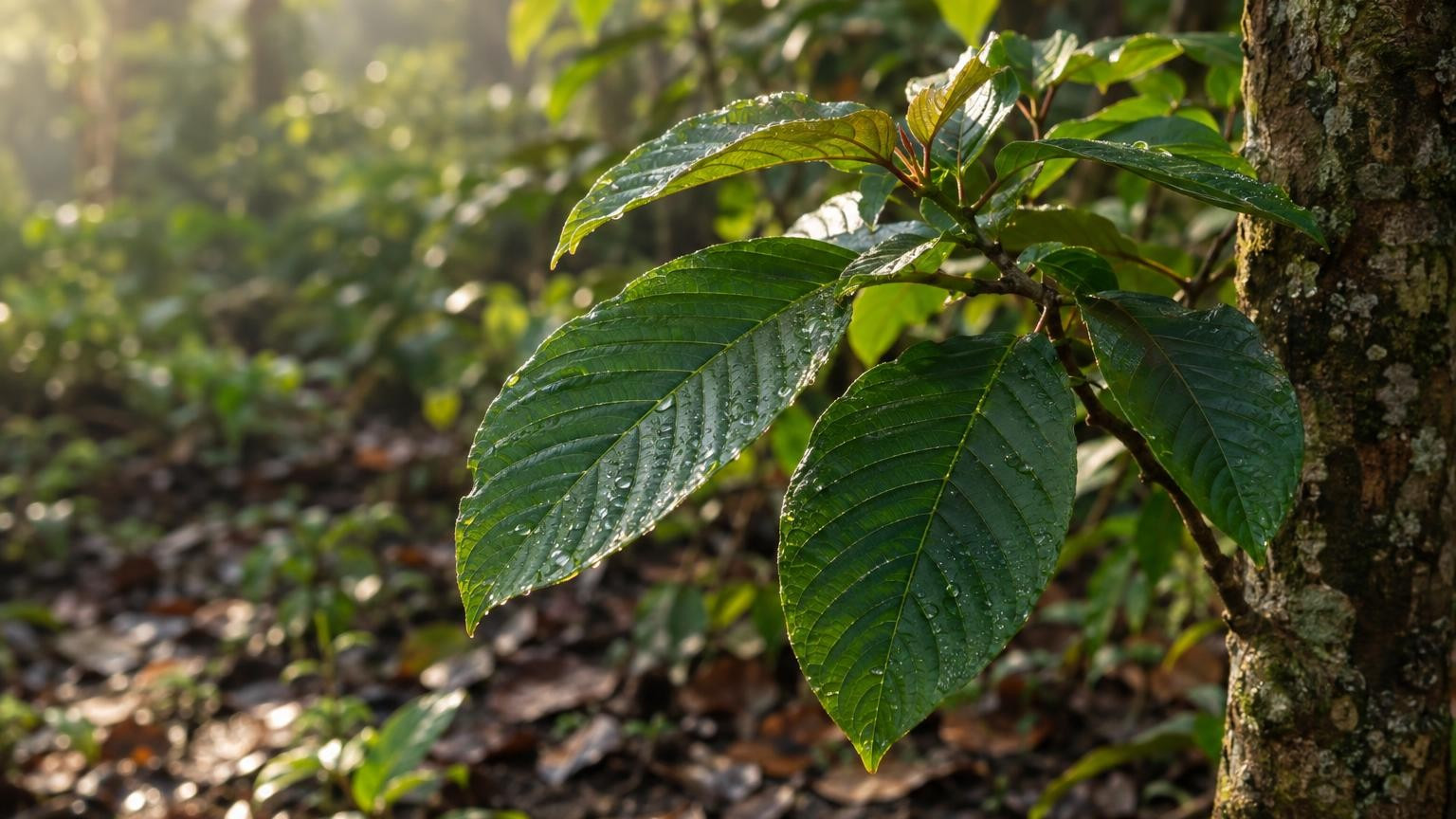
Kratom is a tropical tree native to Southeast Asia. Its leaves are used as a botanical product for mood alteration and pain relief. People consume kratom as dried leaf, powder, tea, or capsules. In some communities it is used for self-treatment of pain, mood symptoms, or to reduce opioid use.
How Does Kratom Work?
Kratom’s effects come from several active alkaloids and physiologic targets, including:
- μ-opioid receptor partial agonism
- 7-hydroxymitragynine opioid potency
- adrenergic receptor modulation
- dopaminergic and serotonergic activity
- dose-dependent stimulant or sedative effects
- hepatic metabolism and drug interaction risks
These actions are mainly linked to the alkaloids mitragynine and 7-hydroxymitragynine, which show mixed opioid and non-opioid pharmacology. For example, mitragynine is a relatively low-affinity partial μ-opioid agonist, while some metabolites can be more potent.
However, kratom also affects monoamine and adrenergic systems, which may explain mood and stimulant effects. Therefore, users who also consume other drugs face interaction and dependence risks.
The summarized pharmacology is described in a comprehensive kratom pharmacology review hosted by the National Library of Medicine.
What Are the Effects of Kratom Among Drug Users?
Kratom commonly produces dose-dependent stimulant or sedative effects and can alter mood and pain perception. Users report short-term relief of discomfort, improved mood, and reduced opioid craving. For many, pain relief and mood effects drive use as self-medication or harm reduction.
Common effects, benefits, and risks include:
- Low-dose stimulation and increased energy
- Higher-dose sedation and analgesia
- Possible reduction in opioid withdrawal symptoms
- Risk of dependence, tolerance, and withdrawal
- Potential interactions with opioids, benzodiazepines, and alcohol
- Variable product potency and contamination risks
Therefore, kratom may offer symptomatic benefits for some people who use drugs. However, evidence is limited and safety concerns remain. For example, co-use with other central nervous system depressants can increase overdose risk. Also, inconsistent alkaloid content across products raises unpredictability. Clinicians and harm-reduction workers should treat kratom as a psychoactive, interacting substance rather than a benign herbal remedy.
Why Kratom Use Among People Who Use Drugs in Vancouver Is Important
Kratom matters in Vancouver because the unregulated drug supply has driven high overdose rates. In 2021, British Columbia recorded 2,224 illicit drug toxicity deaths, highlighting the local risk environment. The BC Coroners Service illicit drug toxicity report (2021) documents this increase and regional impacts: BC Coroners Service report.
As a result, some people may try kratom to manage pain or reduce opioid use. Therefore researchers study kratom uptake to inform realistic harm-reduction strategies and to identify possible interaction harms in this high-risk setting.
This table compares common kratom forms, how people typically use them, and typical onset and duration reported in human studies and user surveys.
| Form | Description | Common Use | Onset Time | Duration |
|---|---|---|---|---|
| Powder (whole-leaf) | Dried and ground kratom leaf, often mixed into drinks or tossed-and-washed | Traditional use, self-medication for pain or mood | 10–60 minutes | 2–4 hours |
| Capsules | Powder measured into capsules for convenience and taste masking | Controlled dosing, discrete use | 20–90 minutes | 2–5 hours |
| Extracts (concentrates) | Steam- or solvent-concentrated alkaloids; labeled as 5x, 10x, etc. | Shorter, stronger effects, used for potency | 5–30 minutes (faster peak) | 1–3 hours (often shorter peak) |
| Fresh/dried leaves | Chewed or brewed as tea; traditional Southeast Asian method | Cultural use, slow-release dosing | 15–45 minutes | 3–6 hours (tea varies) |
Sources: human pharmacokinetic studies and ecological momentary assessment of real-world use, which report faster absorption for concentrated extracts and variable duration by product and dose (see Clinical Pharmacology in Drug Development and Psychopharmacology reviews).
Is Kratom Safe?
Kratom use among people who use drugs in Vancouver raises safety concerns because many users combine substances. Potential harms include dependence, withdrawal, and unpredictable toxicity.
Short-term side effects reported include nausea, dizziness, constipation, and sedation. However, regulators have flagged more serious events such as seizures, liver injury, and deaths linked to contaminated or enhanced products. The U.S. Food and Drug Administration emphasizes that kratom is not approved and warns about contamination, heavy metals, and added potent opioids: FDA and Kratom.
Kratom can interact with opioids, benzodiazepines, alcohol, and certain prescription drugs. Therefore co-use may increase respiratory depression or other overdose risks. In addition, product potency varies widely. As a result, clinicians and harm-reduction workers should treat kratom as a psychoactive, interacting substance and counsel caution and testing when possible.
Is Kratom Use Among People Who Use Drugs in Vancouver Worth Exploring?
Kratom use among people who use drugs in Vancouver warrants cautious exploration. However, the Vancouver study found only 7.2% lifetime use, suggesting limited uptake and a niche role.
Consider potential benefits and risks:
- Symptom relief for pain or withdrawal
- Reduced opioid craving reported anecdotally
- Dependence and withdrawal risk
- Drug interactions and overdose concerns
- Variable product quality and contamination
Therefore, kratom could help some individuals seeking self-treatment. Because evidence is limited, policy and harm-reduction programs should focus on monitoring, education, and safer-supply options.
Final Thoughts
The evidence is limited and uptake remained low in Vancouver. However, patterns suggest therapeutic or harm-reduction motives for some users.
Therefore, researchers and harm-reduction services should further research kratom’s risks and benefits, monitor co-use with other drugs, advise people to seek local harm-reduction guidance, prioritize accessible testing and education, support qualitative work with affected communities, and translate findings into clinical guidance.
Related on CBD Advisor
- How Patriotic CBD, delta-9, and kratom deals peak July
- How to spot delta-9 and kratom deals for spring
- How to Choose Quality Kava: A Step-by-Step Guide for Safe Dosing