Minnesota hemp edible THC limits, testing, and labeling rules set clear caps and procedures for manufacturers, retailers, consumers, and regulators. This guide summarizes legal THC per serving and per package limits, laboratory testing obligations, recordkeeping, and labeling standards to help you design compliant products and packaging.
Producers will find practical formulation and packaging tips, while retailers and consumers learn how to read labels and avoid accidental overconsumption. Regulators and compliance officers can use the checklist as a concise reference for inspections and documentation requirements; for statutory text consult Minnesota Statute 151.72.
At a glance
- 5 mg THC per serving
- 50 mg THC per package
- Accredited lab testing and a certificate of analysis required
- Child resistant packaging and age verification required
For program details and agency guidance see the Minnesota Department of Agriculture hemp program.
Serving Size and Potency Summary
TL;DR: Minnesota limits THC to 5 mg per serving and 50 mg per package; THC per serving Minnesota must not exceed 5 mg. Sellers must test and label products, retain certificates of analysis, and prevent sales to minors. This brief answer highlights immediate compliance steps and points to the full compliance guide.
Quick compliance checklist
- Verify COA for each batch and retain records
- Ensure child resistant packaging and age verification
- Label THC per serving and per package clearly
A certificate of analysis must show measured THC per serving, total THC per package, testing lab accreditation and batch or lot identification. For step by step requirements see How to Comply with Minnesota Hemp Edible Regulations. Authoritative sources: Minnesota Statute 151.72 and LPHE product guidance.
Minnesota Serving Size Limits for Hemp Edibles
Minnesota law sets clear THC potency limits for hemp derived edible cannabinoid products to protect consumers and standardize labeling. State statute caps THC at 5 mg per serving and 50 mg per package; producers must design portions and formulations accordingly (see Minnesota Statute 151.72).
Key limits and examples
- Per serving cap: 5 mg THC. Formulate products so a single serving does not exceed this amount.
- Maximum per package: 50 mg THC. Confirm total package THC and declared servings.
- Beverage rule: Containers may contain up to two servings per container, each limited to 5 mg THC (subd. 5a(f)). For example, a 250 mL beverage with 10 mg total THC equals 2 servings of 125 mL each.
- Packaging and sale: Use child resistant packaging, clear serving declarations, and age verification at point of sale.
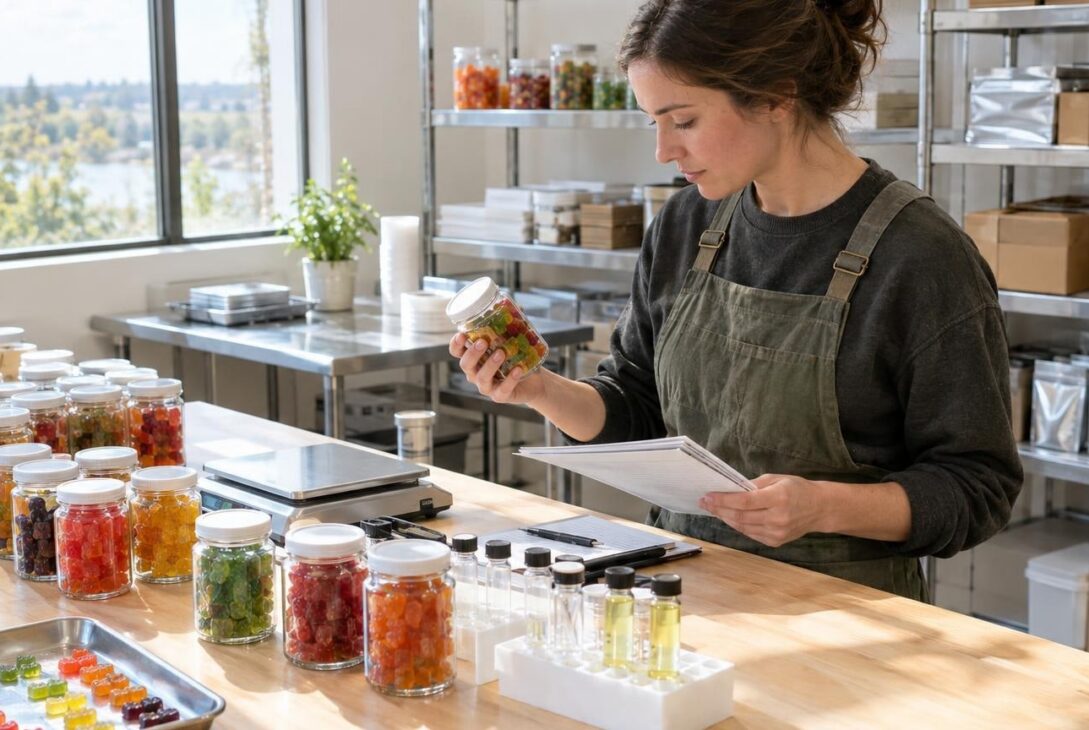
- Testing and records: Test every batch with an accredited laboratory and retain the certificate of analysis for each lot.
- Non beverage example calculation: 40 mg total ÷ 8 servings = 5 mg per serving.
For the exact statutory language and program guidance see Minnesota Statute 151.72 and the Minnesota Department of Agriculture hemp program. Additional agency guidance on lab and product requirements is available from the Office of Cannabis Management product guidance.
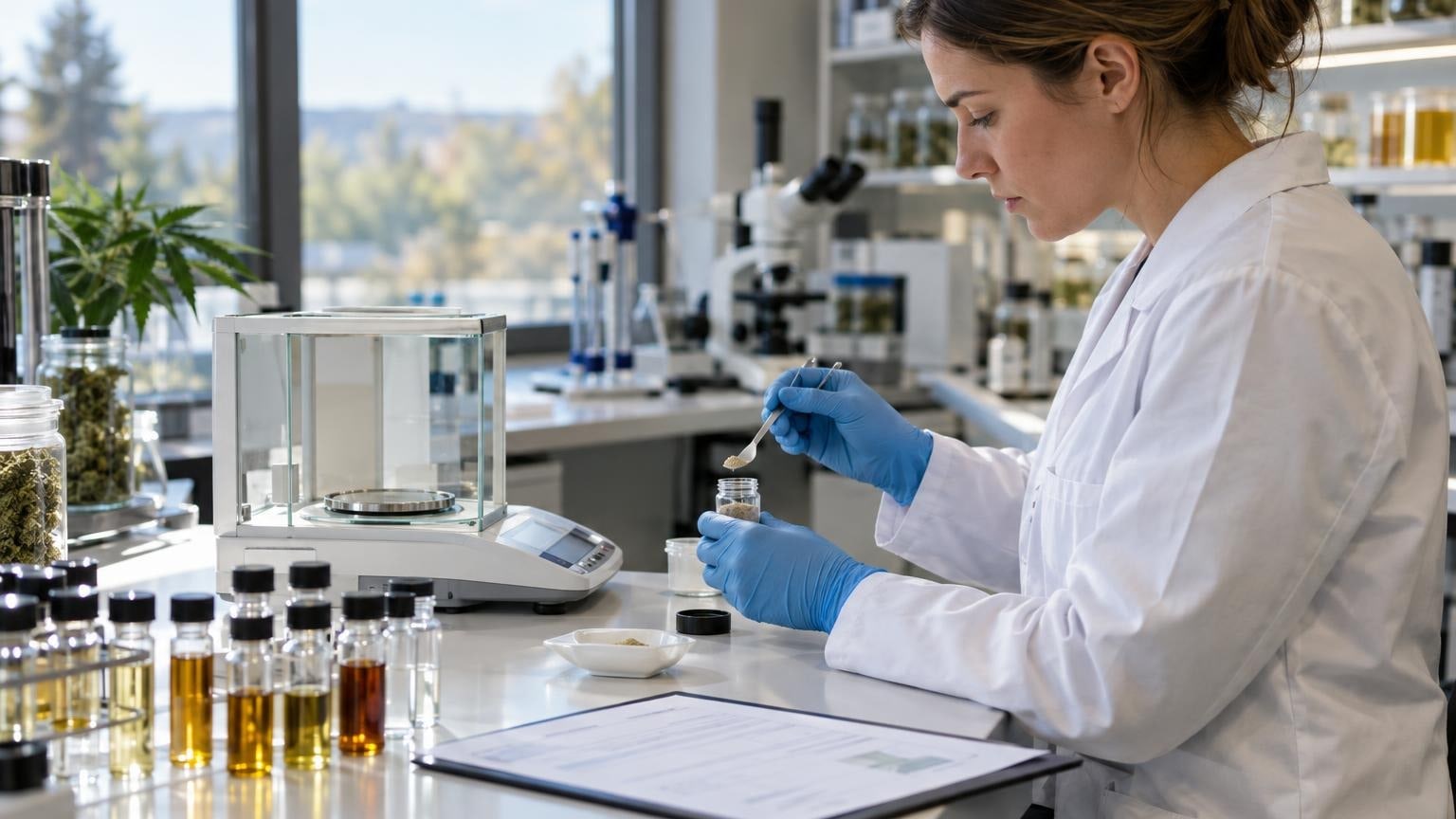
Photo: MyCBDAdvisor, used with permission
Minnesota Statute 151.72 text: Minnesota Statute 151.72
Minnesota Department of Agriculture hemp program: Minnesota Department of Agriculture hemp program
Minnesota vs Other States
This table compares Minnesota edible potency limits with selected states and cites the primary legal source for each entry. The goal is to give producers and compliance teams a quick, source backed comparison that shows exact citation and effective date for statutes or agency guidance.
| State | Max THC per serving | Max THC per package | Notable differences and legal source |
|---|---|---|---|
| Minnesota | 5 mg | 50 mg | 5 mg per serving and 50 mg per package. (Minnesota Statute 151.72, 2025) Minnesota Statute 151.72 (2025) |
| Oregon | 2 mg | 20 mg | OLCC rule sets 2 mg per serving and 20 mg per container, concentration limit 0.3 percent. (OAR 845-026-0410, effective Oct 22 2024) Oregon OLCC hemp rule PDF (Oct 22 2024) |
| New York | 1 mg | 10 mg | OCM guidance limits orally consumed products to 1 mg per serving and 10 mg per package; tincture and other categories have different caps. (OCM guidance, revised Mar 28 2024) NY OCM permitted product forms guidance (Mar 28 2024) |
| California | No detectable THC per serving | Up to five servings per package for hemp foods and beverages with no detectable THC allowed per serving | Emergency regulations prohibit detectable intoxicating THC in industrial hemp food beverage and dietary products intended for human consumption. (CDPH emergency regulations and Governor announcement, Sept 6 2024) CA emergency hemp regulations (Sept 6 2024) |
| Colorado | 1.75 mg | Varies by product and CBD to THC ratio | State rule limits total THC to 1.75 mg per serving and sets packaging limits tied to CBD to THC ratio. (6 CCR 1010-24, current rule text) Colorado rule 6 CCR 1010-24.9 |
Standardization note
To make cross state comparisons clearer the table converts each jurisdictions limits into a common per serving style referred to as the five mg style. For states that publish container level caps only the per serving value was calculated by dividing the package cap by the number of servings specified in that state guidance or by using the state defined serving size. Where states use concentration limits the table shows the effective mg caps based on the agency examples and rule language. Users should consult the linked primary sources above for exact statutory text and any category specific exceptions.
How to Comply with Minnesota Regulations
Retain records for 3 years (confirm with legal counsel or the Minnesota Department of Agriculture). Maintain searchable certificates of analysis and production logs so they are available for inspection. For statutory detail and recordkeeping rules consult Minnesota Statute 151.72 and Minnesota hemp rules.
- Test every batch with an accredited lab and save the COA using a standard filename
Brand_Product_Batch123_COA.pdf - Set formulations so one serving does not exceed 5 mg THC and total package THC stays at or below 50 mg
- Label clearly with required fields and upload COA to a stable URL
- Use child resistant packaging and verify buyer age at sale
- Retain records for three years and review annually
Label text examples
Example A
Product: Maple Gummies
Serving size: 1 piece
THC per serving: 5 mg
THC per package: 40 mg
Servings per container: 8
Batch: B12345
COA: https://www.mda.state.mn.us/plants/hemp-program
Example B
Product: Mint Chews
Serving size: 2 pieces
THC per serving: 5 mg
THC per package: 30 mg
Servings per container: 6
Batch: M-2026-07
COA: https://www.revisor.mn.gov/statutes/cite/151.72
Staff SOP checklist
- Confirm COA accreditation and batch number on receipt
- Upload COA to the batch folder and link in production log
- Verify formulation math matches COA before packaging
- Check customer ID to confirm legal age at point of sale
- Escalate discrepancies to compliance lead immediately
Sources: Minnesota Statute 151.72 and Minnesota hemp rules
Official Minnesota Hemp Edible Regulations Overview
The Serving Size and Potency Regulations for Minnesota Hemp Edibles set clear THC caps to protect consumers and guide producers. Minnesota law limits THC to 5 mg per serving and 50 mg per package for hemp-derived edible cannabinoid products.
Therefore manufacturers must label servings clearly and keep batch test reports. The authoritative law is Minnesota Statute section 151.72 at Minnesota Statute section 151.72 which spells out serving, package, and packaging requirements.
Consult the statute before manufacturing or selling to ensure compliance and avoid enforcement. Also, retailers should verify age and use child-resistant packaging as required. Regular staff training helps maintain compliance.
CONCLUSION
Compliance protects consumers and strengthens business reputation across Minnesota.
Serving Size and Potency Regulations for Minnesota Hemp Edibles require 5 mg THC per serving and 50 mg per package, so producers must test batches with accredited labs, publish certificates of analysis, adjust formulations, label servings, use child-resistant packaging, verify buyer age, include safety warnings, train staff on dosing and impaired-driving risks, retain records to avoid enforcement, work with state regulators, update SOPs regularly, and monitor legal changes.
For reliable guidance visit myCBDadvisor and review state statute sources.
Related on CBD Advisor
- Can medical patients thrive in Minnesota recreational cannabis market
- Minnesota 5 mg serving limit for hemp edibles: why
- Explore Delta 9 THC Market Trends: What to Expect in 2025