Introduction
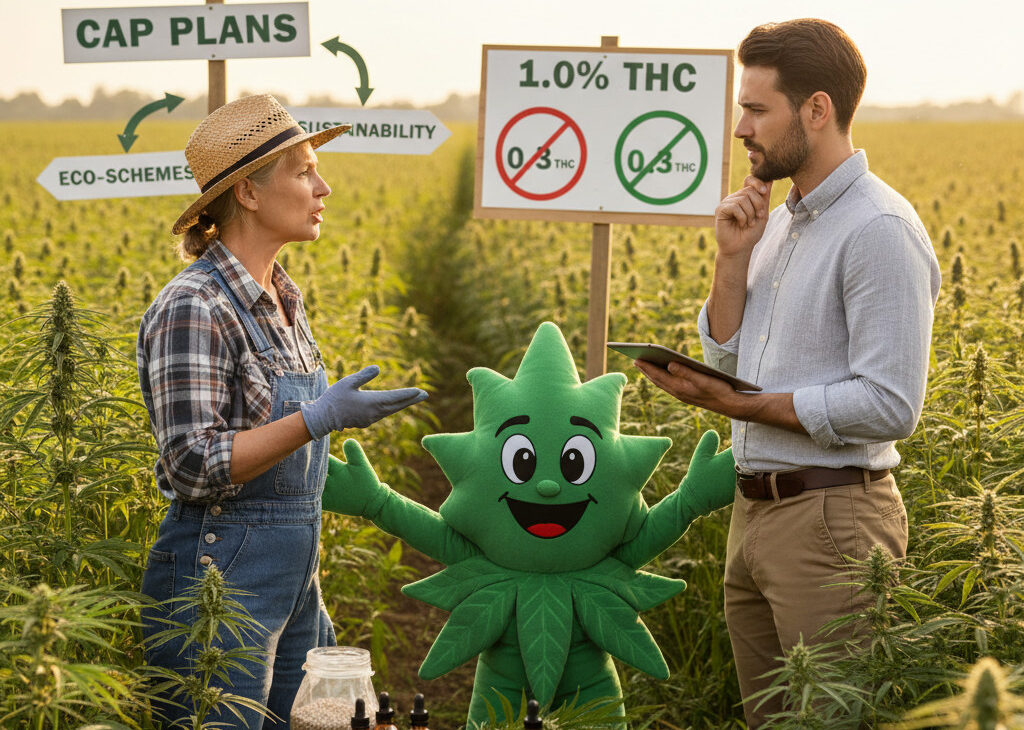
Raise EU hemp THC ceiling to 1% is gaining momentum across Europe’s hemp farms and labs. This proposal could shift rules that currently cap THC at 0.3 percent. For growers and CBD makers, the stakes are high because small THC rises can trigger crop loss. Therefore policymakers now weigh scientific evidence, climate trends, and market needs.
A higher limit would offer clearer legal certainty and reduce the risk of subsidy penalties or destroyed harvests. It would also broaden the varietal catalog and boost breeding and seed pipeline development. As a result, breeders could target varieties suited for warmer regions and for efficient CBD production.
The change links to the Common Agricultural Policy for 2028–2032, so timing matters. Heat and sunlight can raise THC expression in the field, creating real production risk. Consequently, many industry groups argue a 1.0 percent ceiling better reflects agronomic reality while keeping hemp non-intoxicating.
In this article, we examine why advocates want to raise the threshold. We will show how the move could affect fiber, grain and CBD supply chains. We outline what regulators may consider next.
Raise EU hemp THC ceiling to 1%
The EU currently sets a hemp THC ceiling at 0.3 percent. This limit creates legal and financial risk because heat and sunlight can push plants over that threshold. Therefore regulators and industry groups now debate a move to Raise EU hemp THC ceiling to 1% during the CAP 2028–2032 review. The proposal aims to match agronomic reality while keeping hemp non-intoxicating.
Why the change is under consideration
Currently the 0.3 percent THC cap forces growers to destroy crops or lose subsidies when levels spike. Historically, EU thresholds shifted from 0.5 percent in the 1980s, to 0.3 percent, and then to 0.2 percent in some rules. Consequently the European Industrial Hemp Association wants a harmonized 1.0 percent ceiling to provide legal certainty and expand the varietal catalog. For more background, see reporting by HempToday at HempToday and industry reaction at SeedQuest. The European Commission also proposed recognizing the whole hemp plant as an agricultural product, which relates to this reform: IGI Food Law.
Key benefits and challenges
Benefits
- Reduces accidental non-compliance and lowers the risk of destroyed harvests.
- Opens breeding and seed pipeline opportunities for warmer climates.
- Improves CBD production efficiency because CBD often rises with THC.
Challenges
- Regulators must reassure the public that hemp remains non-intoxicating.
- Some member states may resist harmonization for political reasons.
- Industry needs clear testing and marketing standards to avoid trade friction.
| Region or jurisdiction | Legal THC ceiling (delta-9 THC, dry weight) | Notes |
|---|---|---|
| European Union (current) | 0.3% | Current cap under EU rules |
| European Union (proposed) | 1.0% | EIHA proposal tied to CAP 2028–2032 |
| United States (federal) | 0.3% | 2018 Farm Bill definition of hemp |
| Czech Republic | 1.0% | National threshold already set at 1.0% |
| Switzerland | 1.0% | Longstanding 1.0% limit for industrial hemp |
| Australia | 1.0% | Several jurisdictions accept 1.0% |
| New Zealand | 1.0% | 1.0% standard for cultivation |
| Uruguay | 1.0% | Part of national hemp rules |
Evidence and research supporting Raise EU hemp THC ceiling to 1%
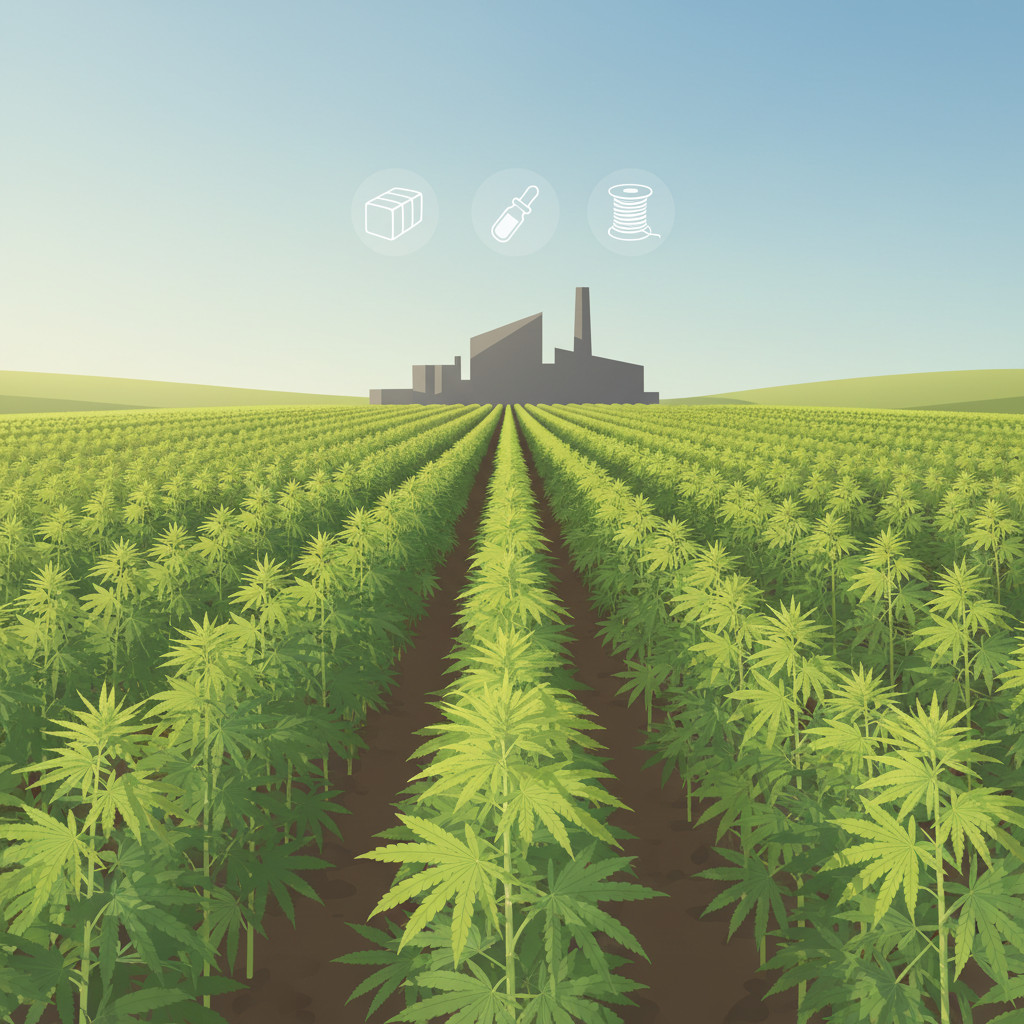
Researchers, industry groups and regulators point to several lines of evidence that support raising the EU THC ceiling to 1.0 percent. First, agronomy studies and breeding trials show that environmental stress raises THC levels. Therefore farmers can face accidental exceedances during hot, sunny summers. For example, the MULTIHEMP project documented genetic and environmental drivers of cannabinoid variation. See the project summary at this link.
Second, industry stakeholders argue that a 1.0 percent ceiling still keeps hemp non intoxicating while improving legal certainty. The European Industrial Hemp Association (EIHA) has publicly called for a realistic threshold of 1.0 percent, noting benefits for growers and processors. Read the EIHA press release at this link.
Third, regulatory reviews and policy proposals now reflect this debate. The European Commission proposed recognizing the whole hemp plant as an agricultural product, which links to THC threshold reform. Review the Commission proposal document at this link.
Key evidence points
- Environmental impact: Heat and light increase THC expression in some hemp varieties, which risks accidental non compliance.
- Genetic trade off: CBD and THC often rise together, so higher THC tolerance aids CBD production efficiency.
- Safety profile: Industrial hemp with THC at or below 1.0 percent remains non intoxicating for consumers.
Policy and practical implications
- For farmers: Raising the ceiling reduces the risk of crop destruction and subsidy loss.
- For manufacturers: A wider varietal catalog lowers seed shortages and supports processing scale up.
- For consumers: Products remain safe while CBD supply becomes more stable and affordable.
Finally, industry commentary and reporting track real world precedents. For broader context and industry reaction, see coverage at this link.
Conclusion
Raise EU hemp THC ceiling to 1% would modernize rules in line with agronomy and market needs. It would reduce accidental non compliance and give farmers clearer legal certainty. As a result, breeders and manufacturers could scale seed development and processing more safely.
Key positive impacts
- Farmers benefit because fewer crops face destruction and subsidy loss.
- Manufacturers gain more varieties and steadier CBD feedstock, which helps product quality and supply.
- Consumers receive safer, more consistent products while market transparency improves because testing standards evolve.
MyCBDAdvisor supports clear, research driven guidance for this transition. Visit MyCBDAdvisor for educational resources, product insights and evidence based analysis. We emphasize clarity, reliability and full spectrum CBD knowledge. Therefore our content focuses on transparency and practical advice for consumers and professionals.
Frequently Asked Questions (FAQs)
What does Raise EU hemp THC ceiling to 1% mean?
It proposes changing the legal hemp THC limit from 0.3 percent to 1.0 percent. Advocates say this aligns law with agronomy and climate realities. Therefore it reduces accidental non-compliance while keeping hemp non-intoxicating.
Will hemp products remain safe?
Yes. Hemp at or below 1.0 percent THC remains non-intoxicating for consumers. Research and regulatory summaries support safety at these levels. For agronomy evidence see the MULTIHEMP project. As a result, products should remain safe when testing rules apply.
How would farmers and manufacturers be affected?
Raising the ceiling offers benefits and challenges.
- Benefits: reduces destroyed harvests and subsidy loss.
- Benefits: widens the varietal catalog and eases certified seed shortages.
- Benefits: improves CBD production efficiency because CBD often rises with THC.
- Challenges: regulators must set clear testing, traceability and marketing standards.
Consequently producers gain legal certainty but need compliance safeguards.
What are the legal steps and timeline?
The change is tied to the Common Agricultural Policy 2028–2032 review. The European Commission and Parliament will evaluate scientific and economic evidence. See a linked regulatory proposal: regulatory proposal. However national politics could affect harmonization.
How will this impact consumers and product quality?
Consumers should see steadier CBD supply and more consistent products. Therefore transparent testing and labels matter more than ever. Industry groups like EIHA urge harmonized limits and clear rules: EIHA statement. In short, a pragmatic 1.0 percent ceiling could balance safety, innovation and supply stability.