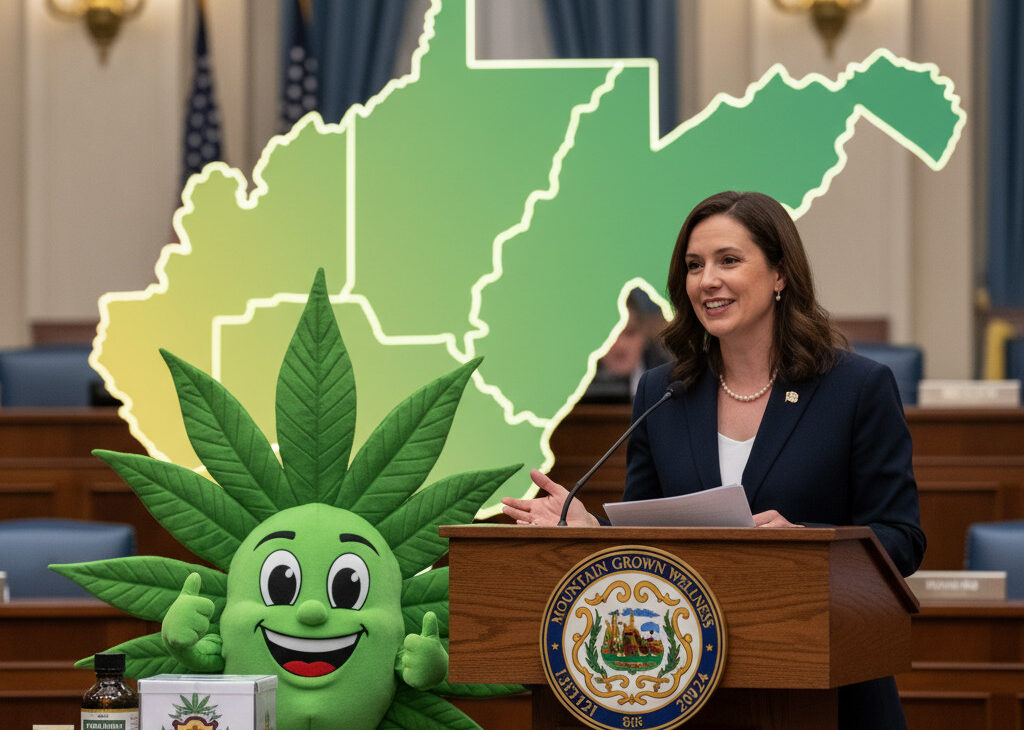
The West Virginia Cannabis Legalization Bill
The West Virginia cannabis legalization bill poised for introduction could reshape the state’s market and tax system. Because Democratic lawmakers have long pushed reform, this moment feels especially consequential for voters. State Del. Shawn Fluharty is the bill’s primary sponsor, and the draft is nearly ready for filing. As neighboring states expand adult-use cannabis, West Virginia risks falling behind economically and politically.
Wintersville, Ohio shows how much revenue a nearby market can generate, about one million dollars for community funds annually. Therefore West Virginia lawmakers argue the state should capture similar tax proceeds and local investments. However the Republican supermajority has blocked prior proposals and denied committee hearings. As a result advocates now consider a constitutional amendment or public referendum route to force action.
The proposed bill could change everything from licensing rules to product availability for adult-use cannabis consumers. Because the debate touches taxes, public health, and local control, it demands careful attention from voters. This article tracks the bill’s progress, examines policy tradeoffs, and explains what legalization would mean for businesses. Stay with us as we unpack how West Virginia might join a growing regional cannabis market.
History and current status of the West Virginia cannabis legalization bill
West Virginia has seen repeated legalization efforts for adult-use cannabis. However the state has not passed a lasting reform. Democratic lawmakers have introduced measures for years, but Republican leaders have blocked committee hearings. As a result advocates look for alternate paths to victory.
Legislative history and key events
- Draft legislation is nearly ready and will be introduced soon. State Del. Shawn Fluharty is the bill’s primary sponsor, and he emphasizes economic opportunity because neighboring states profit from legal markets. For context on regional moves, see our Kentucky primer: Kentucky cannabis legalization primer.
- Lawmakers previously proposed constitutional amendments and public referendum options. These moves aim to place legalization questions directly before voters, therefore bypassing legislative gridlock. More detail on ballot strategies appears at: WV News article on ballot strategies.
- Wintersville, Ohio near the West Virginia border has generated roughly one million dollars per year in community funds from cannabis revenues. Because of this example, West Virginia lawmakers argue the state forfeits revenue without legal sales. Local reporting on Wintersville’s tax windfall: Herald Star article on Wintersville taxes.
Political climate and obstacles
- The Republican supermajority controls West Virginia’s committees. Therefore many Democratic bills have not advanced to hearings. Critics say the majority has failed to listen to voters. One lawmaker noted neighboring states are “spiking the football” on West Virginia, especially on cannabis. Another said the lack of a public referendum leaves West Virginians without a direct voice.
- Industry estimates suggest West Virginia leaves tens of millions in tax revenue on the table by not legalizing recreational cannabis. As a result proponents frame legalization as both an economic and equity issue.
Current status and what to watch
- Expect the formal bill filing shortly. Because the draft is nearly finalized, attention will shift to committee assignments and sponsor support.
- Watch for competing proposals: a legislative roll out, a constitutional amendment, or a referendum process. Each path changes timing, ballot language, and voter outreach strategy.
This section outlines the policy history and present state of play. Therefore readers can track how licensing, taxes, and local control might change if the West Virginia cannabis legalization bill advances.
Regional comparison: West Virginia and neighboring states
This table shows legal status, year, and key notes at a glance.
| State | Current legal status | Year legalized | Key notes and sources |
|---|---|---|---|
| West Virginia | Medical only | 2017 | Medical cannabis program established; recreational remains illegal. Democratic lawmakers are proposing the West Virginia cannabis legalization bill. Source |
| Ohio | Recreational | 2023 | Adult-use legal with retail sales; border towns like Wintersville generate significant tax revenue for local funds. Source |
| Pennsylvania | Medical only | 2016 | Medical program active since 2016; recreational sales remain illegal as of 2026. Source |
| Maryland | Recreational | 2023 | Adult-use legalized and retail launched in 2023; the law includes regulatory rules for licensing. Source |
| Virginia | Recreational | 2021 | Adult-use legalized in 2021; commercial market phased in after legalization. Source |
| Kentucky | Medical only | 2023 | Limited medical program enacted; adult-use remains prohibited. Source |
Potential benefits and challenges of the West Virginia cannabis legalization bill
If passed, the West Virginia cannabis legalization bill could deliver clear economic and social benefits. Because neighboring markets already generate sizable tax revenue, supporters stress the opportunity for jobs and local investment. However the measure would also face regulatory, political, and public health challenges that lawmakers must address.
Key potential benefits
-
Economic growth and tax revenue. Legal sales can create new tax streams for state and local governments. For example, towns near the Ohio border already collect cannabis-related funds; Wintersville’s community fund shows local impact.
Source. - Job creation and small business opportunity. A regulated market supports growers, processors, retailers, and professional services. Therefore communities could see new hiring and ancillary business growth.
- Criminal justice reform and equity. Legalization can reduce low-level possession arrests and shift enforcement priorities. As a result, communities disproportionately affected by prohibition may benefit from reduced policing and expungement policies.
- Public health and product safety. Regulated markets require testing and labeling, which can lower consumer risk. Moreover legalization can expand access to cannabis for medical research and harm-reduction strategies.
Main challenges and tradeoffs
- Regulatory complexity and licensing. Designing fair license distribution takes time and care. Regulators must set rules for growers, processors, retailers, and testing labs, and they must prevent market consolidation.
- Political resistance and legislative roadblocks. The Republican supermajority controls committee assignments, so sponsors may struggle to secure hearings. One critic said neighboring states are “spiking the football” on West Virginia, especially when it comes to cannabis.
- Public opinion and local control. Some voters worry about youth access, impaired driving, and neighborhood impacts. Therefore local-option rules and public education campaigns will matter for public buy-in.
- Market competition and cross-border dynamics. Because Ohio and Maryland already offer adult-use sales, West Virginia may compete for retail business. As a result policy choices on taxes and licensing will shape whether legal sales capture local demand or lose it to neighbors.
- Implementation costs and enforcement. Initial startup requires training, inspection capacity, and law-enforcement guidance. Consequently states must budget for agency staffing and community outreach.
Balancing benefits and challenges requires careful drafting and robust public debate. Because the policy touches taxes, health, and justice, legislators should weigh short-term tradeoffs against long-term gains.
CONCLUSION
The West Virginia cannabis legalization bill could reshape the state’s market, tax system, and criminal justice approach. State Del. Shawn Fluharty leads the effort, and the draft should be filed soon. Because neighbors like Ohio and Maryland now capture tax revenue, West Virginia faces economic pressure.
However the Republican supermajority has blocked hearings, so advocates pursue alternatives. Therefore supporters debate a constitutional amendment or a public referendum process. As a result policy details on licensing, taxes, and equity will shape outcomes.
Frequently Asked Questions (FAQs)
What is the West Virginia cannabis legalization bill?
The West Virginia cannabis legalization bill is proposed adult use legislation. State Del. Shawn Fluharty is the primary sponsor. The draft sets rules for licensing, taxation, retail sales, and expungement. Supporters frame it as economic and justice reform.
What is the current status of the bill?
The draft is nearly complete and should be filed soon. However the Republican supermajority has blocked earlier proposals from receiving committee hearings. Consequently advocates also consider a constitutional amendment and a public referendum route.
If passed, when would legal sales start?
Timing depends on statutory timelines and agency readiness. Typically states allow six to eighteen months for licensing and inspections. Therefore consumers should expect a phased rollout rather than immediate retail openings.
What benefits and risks should residents expect?
Benefits include new tax revenue, local jobs, and fewer low level arrests. Risks include regulatory complexity, concerns about impaired driving, and cross border retail competition. Policymakers must balance public health and economic goals.
How can West Virginians follow developments or take action?
Track legislative calendars and local reporting. Contact your representative to express views. Join public hearings and advocacy groups for updates. MyCBDAdvisor will publish research-driven coverage and timely analysis. Additionally, we will explain how tax revenues could fund schools and infrastructure projects. For questions about personal medical use consult a licensed clinician and official state resources for legal guidance. Sign up for email alerts to receive timely bill updates and analysis.