Cannabis Beverage Brand Building
Cannabis beverage brand building is entering a fast-moving moment. Consumers want function and flavor more than ever. As a result, hemp beverages, terpene-focused drinks, and nonalcoholic options are drawing attention. This trend reshapes how brands position themselves in bars, restaurants, and retail.
Brands face legal uncertainty, but opportunity still exists. For example, hemp lets companies scale into traditional retail channels. Meanwhile, regulated THC products still face high tax and shelf constraints. Therefore, smart brands focus on storytelling, culture-fit partnerships, and product experience.
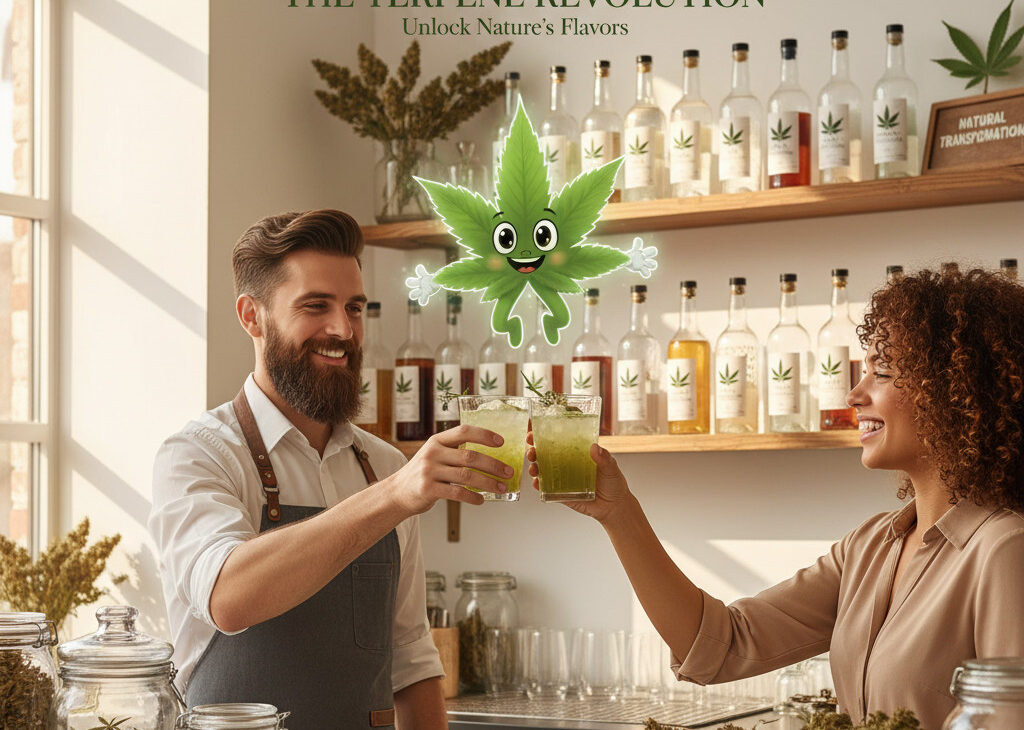
Terpene-first formulations offer a new way to build identity. They deliver aroma, function, and cocktail-like complexity without always relying on cannabinoids. As a result, venues can add these drinks to menus and reach curious mainstream customers. That builds loyalty over time.
Welcome to our guide on cannabis beverage brand building. We will examine strategy, market realities, and long-term category growth. Also, we highlight case studies and practical steps for founders and marketers. Read on to learn how to create a resilient beverage brand.
Key Strategies in Cannabis Beverage Brand Building
Building a cannabis beverage brand means balancing taste, function, and trust. First, know your target audience. Define who will drink your product and why. For example, wellness seekers look for functional beverages, while social consumers want approachable flavor. Therefore, segment your market by occasion, age, and buying channel.
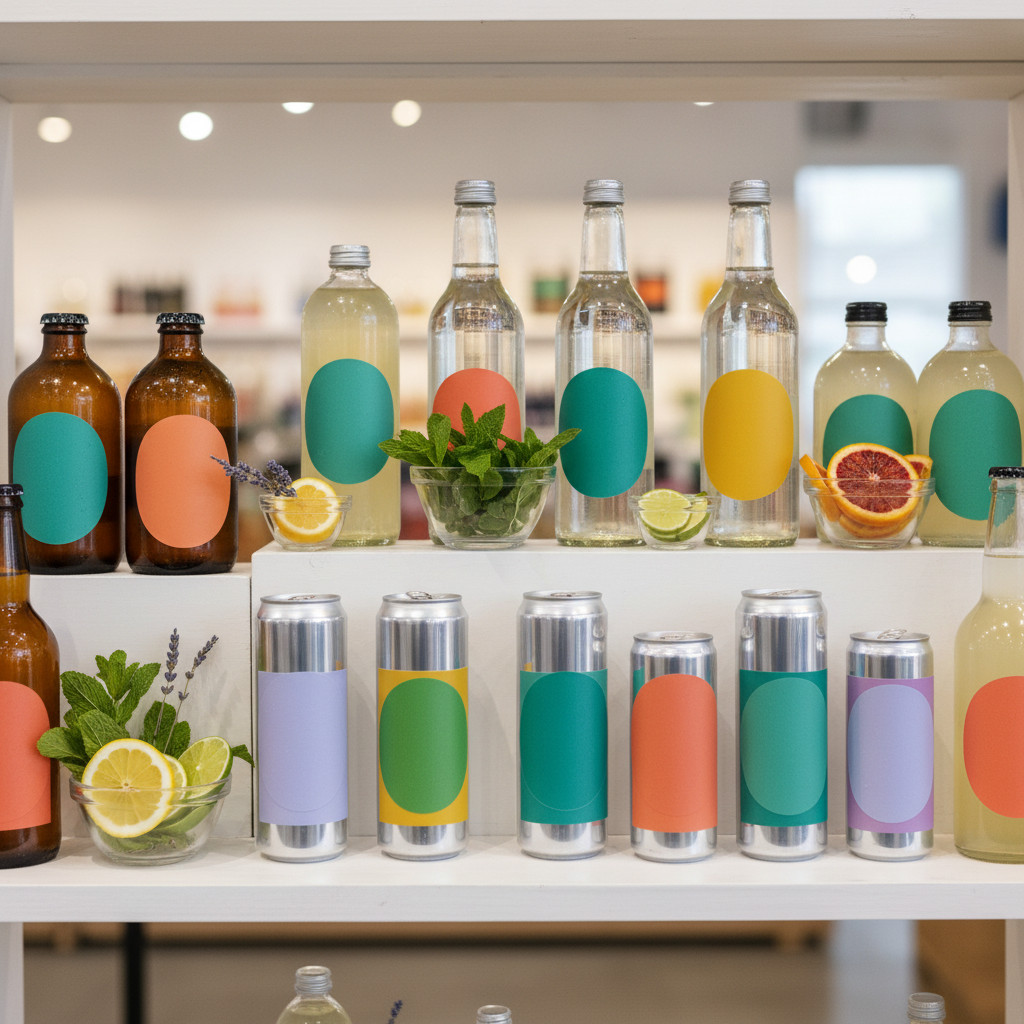
Product differentiation matters because the market already shows many similar offers. Use terpene forward recipes, botanical blends, or alternative ingredients like kanna to stand out. Also, experiment with formats such as glass bottles and slim cans. Moreover, design your products to reflect cocktail complexity without relying only on cannabinoids.
Branding strategies must tell a clear story and create cultural fit. Focus on storytelling, sensory language, and memorable visual identity. For example, pair drinks with venue concepts, music, or chef driven menus. Additionally, build partnerships with lifestyle venues and influencers to reach mainstream consumers.
Core elements at a glance
- Target audience segmentation by occasion and channel
- Product differentiation through terpenes, botanicals, and format variety
- Sensory driven branding that emphasizes aroma and flavor
- Culture fit partnerships and experiential marketing
- Scalable packaging and supply chain planning
Compliance and Regulation in Cannabis Beverage Brand Building
Regulation shapes what you can sell and where. Therefore, map federal, state, and local rules early in development. For general food safety guidance consult the Food and Drug Administration at FDA Food Safety Guidance. Also, invest in third party lab testing and clear labeling to build trust.
Because hemp products can access broader retail, many brands choose that path to scale. However, regulated THC beverages face higher taxes, shelf limits, and distribution hurdles. Plan your manufacturing and cold chain accordingly, and document compliance in every market.
Finally, learn from existing production and research resources. For private label and production best practices read this guide Private Label Production Best Practices. For trends and research insights visit CBD Research Insights.
Use these elements together to build a resilient cannabis beverage brand. Focus on long term category building, and remain adaptable as the market evolves.
| Brand | Product variety | Branding approach | Active ingredients | Price positioning | Market presence |
|---|---|---|---|---|---|
| Iconic Tonics | Hemp tonics, terpene-forward blends, botanical experiments | Slow, craft-forward, venue partnerships and storytelling | Terpenes, hemp extract, botanicals (exploring kanna) | Mid to premium | Selective distribution in lifestyle venues; NYC, LA, Austin focus |
| Nein (Warren Bobrow) | Terpene-only ready-to-drink cocktails | Cocktail craft, culinary storytelling; venue-first placement | Botanical terpenes, flavor-forward formulations | Premium | Launched at The Butcher’s Daughter and Only The Wild Ones in NY, LA, Austin |
| Klaus | Ready-to-drink cans with approachable flavors | Understated mainstream branding; product-led growth | Hemp-derived ingredients and functional blends | Mid | Strong performance in New York despite limited marketing support |
| Do It Fluid | Functional seltzers and mixers in canned formats | Urban, modern, lifestyle-focused | Cannabinoid or hemp blends with botanical notes | Mid | Emerging presence in select regional markets |
| Doggie Spritz | Spritz-style, low-dose social beverages | Playful, casual, occasion-driven branding | Hemp or low-dose THC with botanical flavors | Affordable to mid | Niche and regional distribution in hospitality channels |
| Snoop Dogg’s beverage company | Celebrity-branded cannabis beverage lineup | Celebrity-led mainstream marketing and partnerships | Hemp-derived extracts and botanical flavors | Mid to premium | National ambition with selective retail and partner launches |
Notes
– Table focuses on product and brand positioning, not exhaustive ingredient lists.
– Use this comparison to inform differentiation and pricing strategies when planning cannabis beverage brand building.
Market Trends Shaping Cannabis Beverage Brand Building
The cannabis beverage category is growing quickly. Global projections expect the market to reach several billion dollars by 2030. For example, analysts forecast the cannabis beverages market at around $3.86 billion by 2030. As a result, more brands test formats, flavors, and channels to find product market fit. For data and projections see Grand View Research.
Demand centers on function, familiarity, and dose control. Therefore, microdosed beverages have gained strong traction. Many consumers prefer 2.5 to 5 mg THC per serving for predictable effects. Also, seltzer formats and low calorie recipes perform well. BDSA noted that beverages grew and that consumers increasingly seek measured dosing and functional benefits. For more industry insights visit BDSA.
What consumers value most
- Precise dosing and microdosing options for social and wellness occasions
- Flavor innovation that balances familiar fruit with herbal or botanical notes
- Functional benefits such as relaxation, focus, or sleep support
- Clean labels and third party testing for trust and transparency
- Accessible formats like slim cans and ready to drink bottles for on premise use
Flavor and ingredient trends
- Citrus, berry, and tropical fruit remain top choices, but floral and herbal blends gain traction
- Terpene forward recipes attract cocktail minded drinkers because they deliver aroma and nuance
- Alternative botanicals such as kanna and adaptogens appear in premium lines
- Hemp based formulations often serve as a lower barrier to mainstream retail
Packaging and design impact
- Sustainable materials and recyclable cans matter to eco minded buyers
- Clean, beverage forward designs perform better than heavy regulatory styling
- Child resistant features remain essential for compliance and retailer acceptance
Taken together these trends show where brands should invest. Therefore, focus on dose control, clear messaging, and sensory driven packaging to win consumers.
Conclusion
Cannabis beverage brand building demands clarity, patience, and cultural fit. Brands must balance flavor, function, and compliance to win. Therefore, a strong story and consistent dosing create trust. Also, strategic partnerships help place products where consumers already gather.
Regulation remains a central constraint, so plan for compliance early. Invest in testing, labeling, and supply chain systems to reduce risk. Finally, remain adaptable because the category will evolve for decades.
MyCBDAdvisor commits to delivering clear, reliable cannabinoid information. For practical guides and industry insight visit My CBD Advisor. Use trusted data and sensory storytelling to differentiate. In short, build for the long term, prioritize consumer experience, and let the brand live in real social moments.
Frequently Asked Questions (FAQs)
What is cannabis beverage brand building and why does it matter?
Cannabis beverage brand building means creating a clear identity for infused drinks. It combines flavor, function, and trust. Therefore, brands win when they deliver consistent dosing, a memorable sensory profile, and a strong story.
Should I build in hemp or regulated THC markets?
Hemp offers broader retail access and faster scaling. However, regulated THC provides category legitimacy and higher consumer confidence in the long term. As a result, choose the path that matches your distribution goals and compliance capacity.
How can I differentiate my cannabis beverage product?
- Focus on terpene forward recipes and botanical blends for aroma and nuance
- Offer microdosed servings for predictable social and wellness use
- Use distinctive formats like slim cans or glass bottles for on premise use
- Pair storytelling with venue and culture fit partnerships to reach target consumers
What compliance issues should I prioritize?
Prioritize third party lab testing and accurate labeling. Also, ensure child resistant packaging and documented batch records. Finally, map state and local rules early to avoid costly market withdrawals.
How do I market cannabis beverages to mainstream buyers?
Start with sensory driven packaging and clear dosing information. Then secure culture fit placements in restaurants and listening venues. Additionally, use experiential activations and influencer partnerships for credibility and trial.