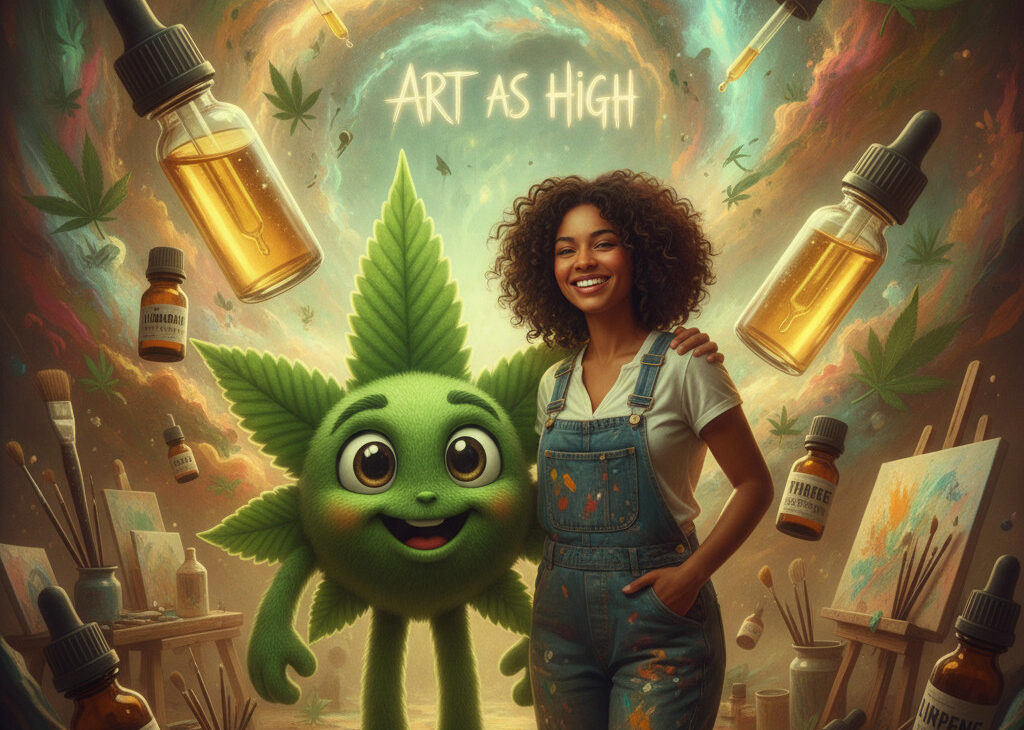
Art can get you high without drugs: How creativity lifts mood naturally
Art can get you high without drugs, giving a clean rush of awe and joy that stays with you. A painting, a song, or a vivid daydream can spark a real emotional lift in an instant. Because our brains reward novelty, color, and pattern, art triggers dopamine, sharpens attention, and shifts mood in seconds. Neuroscience shows that the same neural pathways that respond to pleasurable experiences light up when we engage with art, activating memory, reward, social cognition, and imagination, and in some studies even reducing stress markers like cortisol; therefore a museum visit, a late-night sketch, or immersive gaming can create profound mental states without chemical intervention.
As a result, you can deliberately cultivate creativity, mindfulness, and sustained mood uplift through routine practices such as daily sketching, mindful listening, guided daydreams, movement-based improv, or collaborative art-making, and this article explores practical, science-backed ways to tap that natural high with clarity, safety, and intention.
Art can get you high without drugs: Psychological and neurological insights
Art can produce highs that feel strikingly similar to drug-induced states. Because art taps reward circuits and memory systems, it can elicit awe, chills, and deep absorption. However, the experience remains grounded in perception and meaning. Neuroscience and psychology explain how aesthetic moments create intense pleasure without substances.
How the brain creates a natural high
- Dopamine and reward pathways activate. For example, music can trigger dopamine release in the caudate and nucleus accumbens during anticipation and peak pleasure, respectively. See the Salimpoor study because it maps reward chemistry to musical emotion.
- The default mode network and imagination engage. As a result, viewing or making art lights networks tied to memory, empathy, and daydreaming, and this overlap can feel expansive and liberating. Read a summary of neuroaesthetics.
- Emotional regulation improves and stress falls. In fact, several reviews show art-based engagement reduces cortisol and improves well-being, therefore offering therapeutic benefits without drugs. For discussion see: here.
Key mechanisms in plain terms
- Novelty sparks attention and reward quickly. As a result, your brain releases feel-good chemicals.
- Flow and focused creativity increase self-efficacy and calm. Therefore mood shifts persist longer.
- Social and symbolic meaning amplifies the reward. For example, shared art can boost oxytocin and connection.
While some people explore microdosing, art offers a safe alternative that harnesses similar neural routes. For context on microdosing trends see this article. Debates about psychedelics and memory also appear in coverage like this discussion. Meanwhile cultural normalization of daily cannabis use provides a contrasting path to mood change: here.
Art can get you high without drugs: Evidence from studies and experts
Concrete research and expert testimony show that art can create intense, druglike positive states. Because art engages reward, attention, and meaning systems, it can produce chills, joy, and lowered stress. Below we summarize key studies and cite expert observations to show why this claim has scientific backing.
- Neuroscience links art and reward. In fact, music and other aesthetic moments activate the brain’s reward centers. Therefore listeners often report peak pleasure during musical climaxes.
- Neuroaesthetics ties perception to emotion. As a result, visual art and cinema recruit memory and empathy networks.
- Clinical and physiological work shows reduced stress. For example, art-making and guided engagement lower cortisol and improve mood in controlled studies.
| Source or Expert | Key result or quote | What it implies for the claim |
|---|---|---|
| Salimpoor et al., Nature (music reward) https://www.nature.com/articles/nn.2726 |
Musical peaks trigger dopamine release in caudate and nucleus accumbens during anticipation and pleasure | Aesthetic moments use reward chemistry tied to pleasure, similar to low-dose psychoactive effects |
| Neuroaesthetics review, PMC3824150 https://www.ncbi.nlm.nih.gov/pmc/articles/PMC3824150/ |
Visual and narrative art engage default mode and emotion networks | Art can produce immersive states like those labeled trance or flow |
| Systematic review on art and health, PMC7075503 https://www.ncbi.nlm.nih.gov/pmc/articles/PMC7075503/ |
Art-based programs lower cortisol and improve subjective wellbeing | Creative engagement has measurable stress-reduction and mood benefits |
Expert perspective
- Luciano Saracino writes about imagination and substance use. He notes that sometimes inspiration arrives without chemical aids. Therefore creative practice can replace some drug-driven rituals.
- George William Curtis said, “Imagination is as good as many voyages… and how much cheaper!” This highlights art’s power to transport and uplift.
Taken together, these studies and quotes show a clear pathway. Art activates reward chemistry, alters attention, and reduces stress. Consequently, artistic experiences can produce natural highs without drugs.
Quick comparison: Art high versus drug-induced high
| Dimension | Art high (natural) | Drug-induced high (substance) |
|---|---|---|
| Emotional impact | Produces awe, calm, and positive uplift. Often subtle and reflective. | Produces intense euphoria or altered affect. However, effects can be volatile. |
| Duration | Short to moderate. Effects can last minutes to hours. As a result, repeated practice builds lasting mood gains. | Varies widely. However, effects are often short-lived and can leave lingering aftereffects. |
| Health effects | Generally positive. Low risk. Overall, it reduces stress and supports wellbeing. | Can harm physical and mental health. Consequently, risks include dependence and side effects. |
| Cognitive benefits | Boosts creativity, focus, and memory consolidation through flow. Enhances problem solving. | May enhance some creativity short-term. Often, it impairs attention and memory. |
| Social and meaning | Strengthens connection and shared meaning. Encourages empathy. | May reduce social inhibition or distort social perception. However, outcomes depend on context. |
| Safety and control | High control and predictable. Easy to dose by time and intensity. | Low to moderate control. Moreover, dosage and purity vary and can be dangerous. |
This table shows why art can offer a safe, sustainable route to uplift.
CONCLUSION
Art can get you high without drugs by activating the same reward and attention systems drugs target. Throughout this article we showed neuroscience, psychology, and clinical evidence. Art triggers dopamine, fosters flow, lowers cortisol, and strengthens social connection. Therefore it offers a safer, sustainable route to uplift.
Key takeaways
- Natural and controllable: you control time, intensity, and context.
- Healthier long term: art reduces stress without dependence or side effects.
- Cognitive gains: creativity, focus, and memory often improve with practice.
MyCBDAdvisor stands committed to clear, reliable information. As a research-driven CBD knowledge source, MyCBDAdvisor explores non-drug wellbeing strategies and evidence-based comparisons. Visit MyCBDAdvisor for more research, guides, and updates.
Frequently Asked Questions (FAQs)
What does it mean when people say “Art can get you high without drugs”?
Art can get you high without drugs when it sparks intense pleasure and absorption. Because art activates reward circuits, you may feel chills, awe, or calm. Therefore the feeling resembles a mild, natural high rather than a chemical trip.
How does art produce those druglike feelings?
Artists and listeners trigger dopamine and attention networks. For example, music and visual surprises release reward chemicals. As a result, flow states form and time may feel altered.
How long do art highs usually last?
They last from minutes to hours depending on context. However, repeated practice builds lasting mood improvements. Thus daily creative habits extend benefits over weeks and months.
Is art a safe substitute for drugs?
Generally yes, because art poses low physical risk and no chemical dependence. But people with trauma or psychiatric conditions should seek professional guidance. In addition, art complements therapy and healthy routines.
How can I use art to boost mood every day?
Try short, simple acts:
- Spend ten minutes drawing or doodling daily
- Listen mindfully to one favorite song
- Visit a gallery or browse art online for fifteen minutes
- Share creative work with a friend for social reward
These steps increase creativity, reduce stress, and improve focus. Consequently, they help you access natural highs without substances.