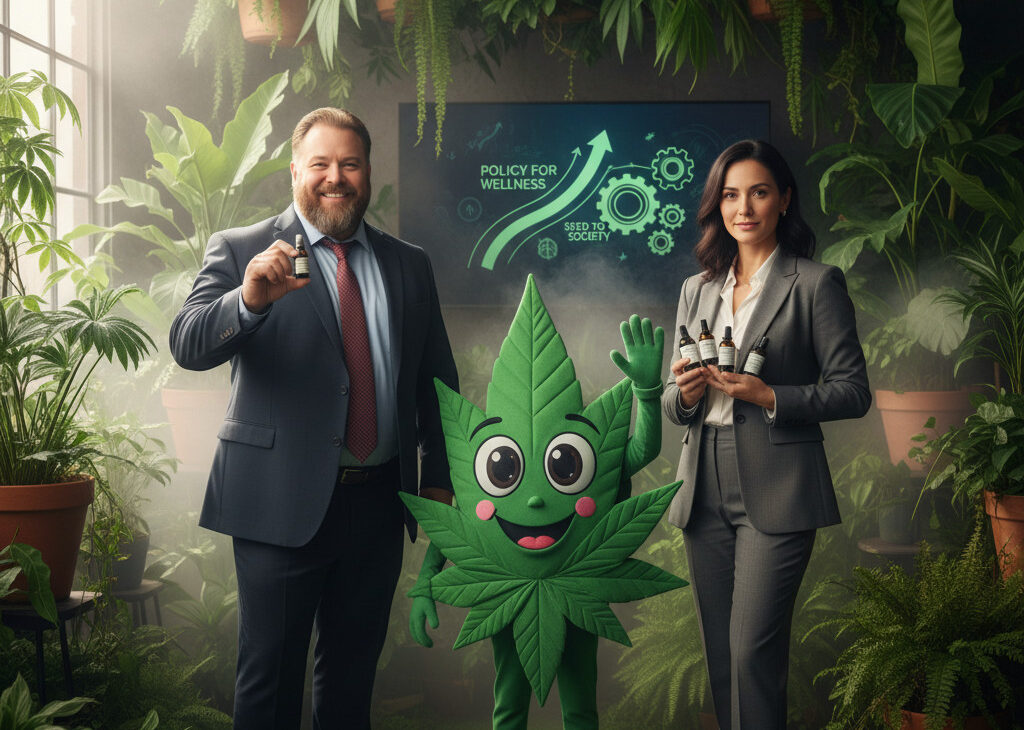
Jim Belushi on weed and the cannabis industry
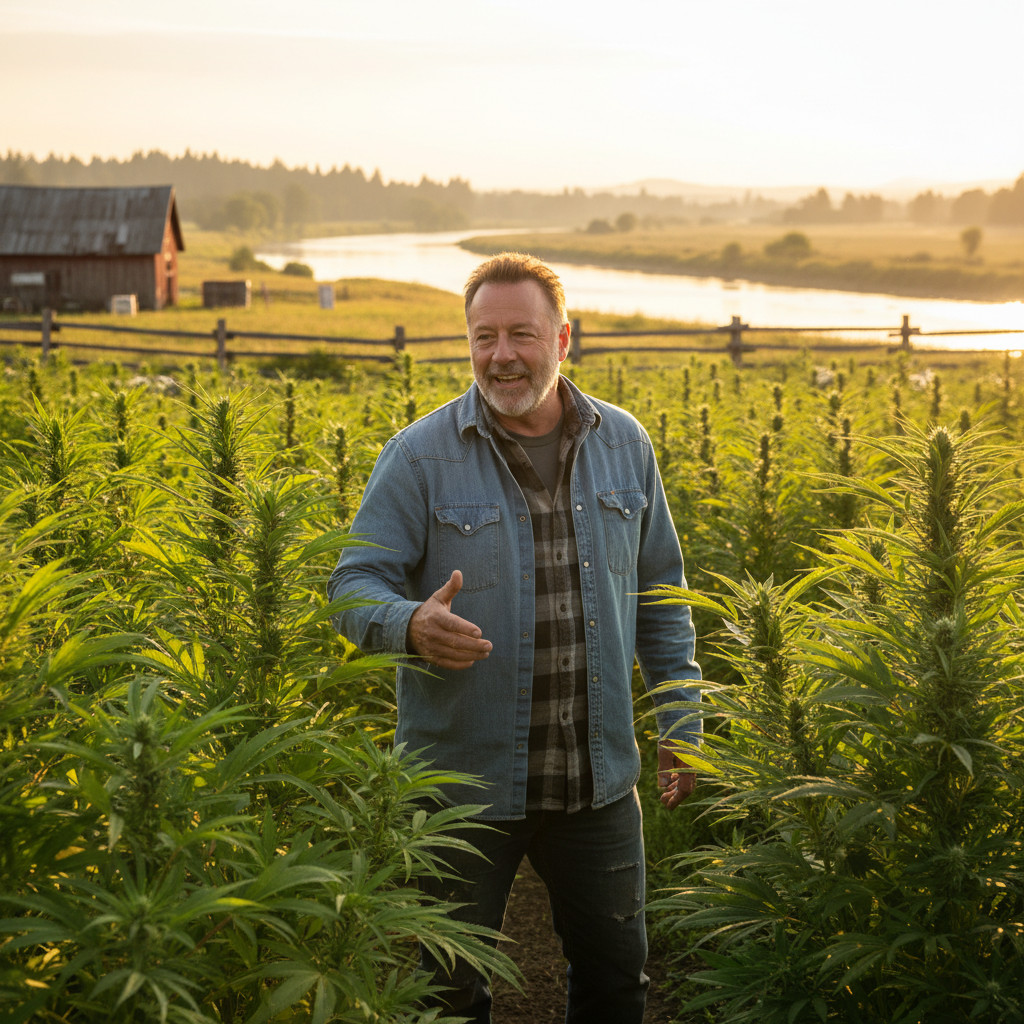
Jim Belushi on weed and the cannabis industry is not just a headline. Also it captures his rare role as actor, artisan grower, and outspoken industry voice. He left Hollywood and launched Belushi’s Farm in Oregon in 2015. Because of that move he now speaks with hands on experience. Moreover he is licensed in 20 states and doubled his business in a year. As a result he blends nostalgia and practical market insight. He talks openly about strains like Big Sur Holy Weed and The Sage.
However his story goes beyond branding and farming into policy and research. He raises issues around rescheduling, CBD access, and tax fairness for veterans. This article delves into those debates while sharing personal anecdotes. Additionally it examines market pressures such as Oregon price compression. You will find anecdotes about jamming with Bob Weir and counterculture links. You will also find analysis of licensing dynamics and regional sales trends. Therefore this piece aims to inform and surprise readers alike.
Jim Belushi on weed and the cannabis industry
Jim Belushi on weed and the cannabis industry reads like a personal manifesto as much as a business story. He left mainstream acting to farm and to build brands from the soil. As a result his perspective mixes show business instinct with hands-on cultivation. He moved to Oregon in 2015 and started Belushi’s Farm on the Rogue River. Since then he has expanded distribution and scaled licensing across multiple states. Moreover, he trained his public voice on policy questions such as rescheduling and CBD access.
Key facts and vivid details
- Jim Belushi launched Belushi’s Farm in Oregon in 2015 and built a sun grown operation along the Rogue River. Visit the farm site for more details here.
- He says his operation emphasizes old school sativa vibes in strains like The Sage and Big Sur Holy Weed. Those strains nod to classic counterculture highs and to the farm’s craft approach.
- He now holds licenses across many states and reports rapid growth. As a result, he doubled his business in a year according to recent interviews and press releases here.
- Belushi blends music and cannabis culture. For example, he recalls jamming with Bob Weir and reflects on Ken Kesey era influences.
- He critiques market pressures such as price compression in Oregon and the impact of fires on supply chains. For historical recognition see this industry list here.
Taken together his biography shows a hands on founder who also debates policy. Therefore he stands uniquely between celebrity and cultivator. His voice matters to growers, to policymakers, and to cannabis consumers alike.
Takeaway
Belushi’s portfolio mixes sun grown craft flower, nostalgic branded lines, and multistate licensing.
| Business | Product or service | Location | Year founded or launched | Notes |
|---|---|---|---|---|
| Belushi’s Farm | Sun grown flower; craft strains like Big Sur Holy Weed and The Sage | Oregon (Rogue River) | 2015 | Licensed in 20 states; doubled in a year |
| Blues Brothers brand | Branded products and merchandise | Key markets: MD, MO, PA, MS, OH | N/A | Regional strength; state licensing varies |
| Lightning & Thunder | Branded product line within Belushi’s portfolio | Multiple states | N/A | Consumer products tied to his brands |
- Portfolio highlights: flower, branded products, merchandising.
- Focus: craft cultivation, nostalgic branding, regional markets.
- Labels and licensing show multistate expansion and partnerships.
Jim Belushi on weed and the cannabis industry
Jim Belushi moved from sitcom fame to hands on farming. Because of that pivot he bridges celebrity culture and agricultural craft. He founded Belushi’s Farm in Oregon in 2015 and now holds licenses in many states. “I’m licensed in 20 states now,” he told reporters, showing rapid expansion. As a result his public voice carries both star power and operational credibility.
Community influence
- He humanizes cannabis. Fans see a familiar face who grows flower and names strains like The Sage and Big Sur Holy Weed. This reduces stigma and invites new consumers to learn about craft cultivation. Moreover his Blues Brothers and Lightning & Thunder brands reach regional markets in Maryland, Missouri, Pennsylvania, Mississippi, and Ohio.
- He mixes music, counterculture memory, and modern branding. For example he recalls jamming with Bob Weir and traces influence back to figures like Ken Kesey.
Policy and research impact
- Belushi speaks about rescheduling and CBD access with practical concern. He notes that rescheduling could help veterans and medical research. Indeed, policymakers and veterans groups have argued similar points after rescheduling actions by officials. For context see the White House fact sheet on research changes and the VFW response.
- He also highlights tax and deduction issues for cultivators, echoing wider industry concerns.
Market and industry effects
- Belushi grew fast. His company reports notable gains, and partners have publicized that growth in press releases here.
- However he warns about crushing market forces. Oregon faces price compression and climate threats that squeeze small farms. For background on local challenges see Portland’s industry briefing.
Bottom line
Jim Belushi influences public perception and policy debates. Therefore his role matters to growers, regulators, and consumers. He proves that celebrity can amplify industry issues while also investing in the work of cultivation.
Conclusion
Jim Belushi on weed and the cannabis industry shows how a celebrity can become a hands-on cultivator and policy voice. Because he moved to Oregon and launched Belushi’s Farm in 2015, he speaks from experience. Moreover, his multi-state licensing and branded lines reveal a business mindset. Therefore his career bridges culture, craft, and commerce.
He reduces stigma by putting a familiar face on craft cannabis. Additionally he elevates policy debates about rescheduling, CBD access, and tax fairness. His warnings about price compression and climate risks also matter to growers.
Because accurate information matters, we will continue tracking policy and market shifts. As a result, stay tuned for deeper reporting and data-backed guides. We also note his cultural links to music and counterculture, which shape his brand voice. As a result, fans and newcomers alike respond to his authenticity.
Frequently Asked Questions (FAQs)
Who is Jim Belushi and why is he involved in cannabis?
Jim Belushi is a 71 year old actor turned cultivator. He moved to Oregon and launched Belushi’s Farm in 2015. He now runs a sun grown operation on the Rogue River. Moreover he holds licenses in 20 states and doubled his business in a year. Because he speaks from both celebrity and farming experience, he shapes public discussions about cannabis, rescheduling, and CBD access.
What products and strains does Belushi’s Farm offer?
Belushi’s Farm focuses on sun grown flower and branded consumer products. For example Big Sur Holy Weed is a flagship strain. The Sage is a true sativa that channels 1960s and 1970s vibes. Additionally his portfolio includes Blues Brothers and Lightning & Thunder lines. These products mix craft cultivation with nostalgic branding.
Where are his products sold and how wide is his reach?
He reports licensing across many states. Currently he is licensed in 20 states. His brands perform strongly in Maryland, Missouri, Pennsylvania, Mississippi, and Ohio. However Michigan shows weaker licensing results. As a result he targets regional markets while still pursuing multi state growth.
How has Jim Belushi influenced the industry and public perception?
He reduces stigma by showing a familiar face who farms. He also raises policy points about rescheduling, CBD access, and tax fairness. For example he argues that rescheduling could help veterans and medical research. Moreover he highlights market stresses like Oregon price compression and climate risks that affect growers.
What challenges face his business and what is next?
Belushi warns about price compression and fire risk in Oregon. He has said, “I had to stop growing. It’s crushing people.” Consequently he advocates for smarter policy and tax rules. Going forward he plans to expand licensed markets and keep blending culture with craft.