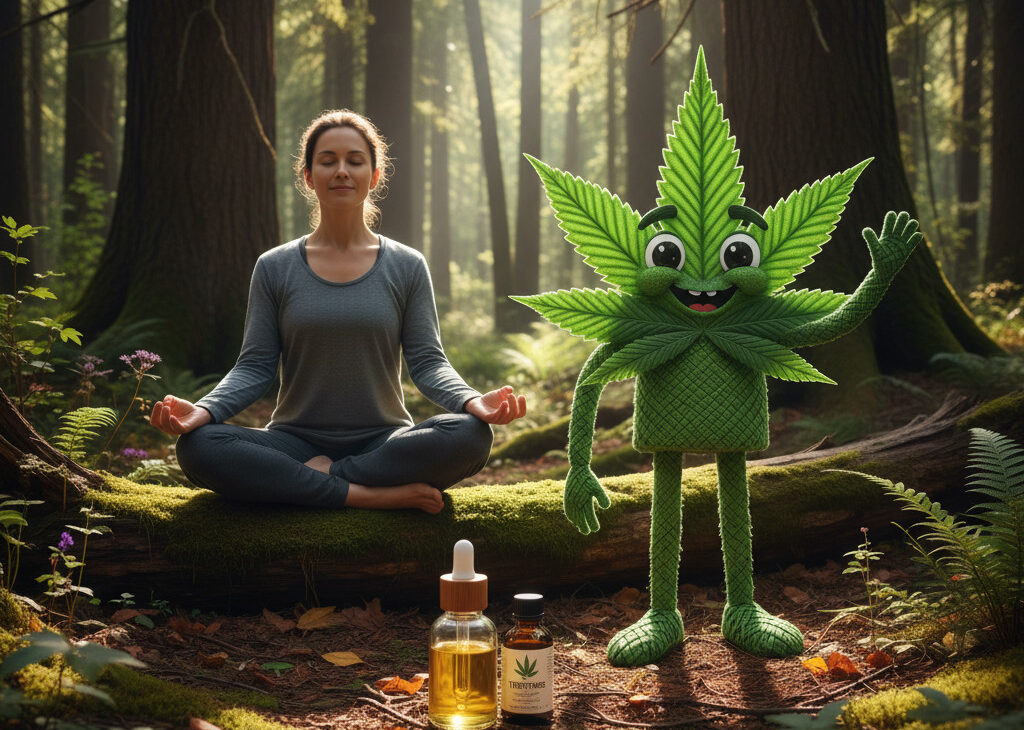
Our days rush by in a blur of meetings, messages, and errands.
Slowing down with cannabis offers a gentle way to pause, notice, and reconnect.
This article invites calm reflection on how plant medicine can support mindful rest.
Cannabis, when used with conscious intention, can also nudge attention back to the present.
Because compounds like THC and CBD interact with the endocannabinoid system, they change perception of time.
Terpenes such as myrcene and linalool further shape relaxation and the body mind state.
However, the effects vary widely between people, so moderation matters.
Here, you will find practical guidance on strains, terpenes, and mindful rituals.
Therefore, you can design slow practices like gentle yoga, breathwork, or contemplative pauses.
These pauses help memory, creativity, and decision making by giving the brain room to reorganize.
Read on to explore safe, intentional ways to slow down and reclaim a human rhythm.
We will also discuss risks, dosing, and the difference between slowing down and checking out.
As a result, you can enjoy restful moments without losing clarity or purpose.
Together, we will explore slow living tools and cannabis choices that support presence and balance.

The Benefits of Slowing Down with Cannabis
Slowing down with cannabis can be a mindful pathway to rest and clarity.
When used intentionally, cannabis relaxation supports stress relief and gentle mental reset.
Below are practical benefits and how they help daily life.
- Reduced stress and anxiety: Cannabis can lower the intensity of stress reactions. Because CBD acts as an anxiolytic, many people use it for calm without heavy sedation. For a user-friendly entry point, see popular forms like gummies at this link.
- Enhanced mindfulness and present moment awareness: THC often alters time perception, helping minutes feel longer and more vivid. Therefore, this time dilation can deepen meditation and focused breathing practices. For background on marijuana research and effects, consult a trusted source at this link.
- Physical relaxation and better sleep: Indica dominant strains and terpenes such as myrcene and linalool promote muscle ease and a calmer nervous system. As a result, these profiles support gentle rest and restorative pauses.
- Cognitive benefits of quiet pauses: Moments of doing nothing help memory consolidation and creativity. In addition, pairing slow practices with cannabis can make those pauses more meaningful.
- Ritual, pleasure and balanced leisure: Mindful use can reconnect you to simple joys. For a reflective take on joy and cannabis, read this link.
- Important cautions: Start low and go slow. Because interactions can occur, check drug safety guidance at this link and consult a clinician when needed.
Overall, slowing with intention fosters presence, reduces racing thoughts, and supports both mental and physical ease.
| Method | Typical onset time | Typical duration | Effects | Best use cases |
|---|---|---|---|---|
| Smoking | 2 to 10 minutes | 1 to 3 hours | Rapid cannabis relaxation and quick feedback; easy to titrate dose | Short contemplative sessions, outdoor slow walks, pairing with breathwork |
| Vaping | 2 to 10 minutes | 1 to 3 hours | Smooth inhalation, similar onset to smoking with less harshness | Indoor relaxation, quick mood shifts, microdosing between tasks |
| Edibles | 30 to 90 minutes | 4 to 8 hours | Long lasting body and mind relaxation; delayed onset requires planning | Evening rest, planned slow practices, deep contemplative sessions |
| Tinctures | 15 to 45 minutes sublingual | 2 to 6 hours | Steady, doseable relaxation; gentle onset when taken under the tongue | Morning or afternoon mindful breaks, microdosing, combining with yoga |
Incorporating Slowing Down with Cannabis into Your Daily Life
Slow living with cannabis works best when you pair intention with simple routines.
Start small and build habits that support mindful cannabis use and lasting calm.
Morning or afternoon rituals
- Choose low doses and gentle formats like tinctures or microdoses. This helps you stay clear and present.
- Set a short intention before use. For example, aim to notice breath, body, or sounds for five minutes.
- Keep the environment calm. Because a quiet room or soft music reduces distractions, you deepen presence.
Timing and dosing tips
- Use fast onset methods for short pauses, and edibles for planned deep rests.
- Start low and go slow. Therefore, increase dose only after observing effects for several sessions.
- Track how you feel in a simple journal. In addition, note strain, terpene profile, and timing.
Mindful practices to pair
- Breathwork: take slow counts of four inhale, six exhale to lengthen focus.
- Gentle yoga or stretching: move deliberately to blend body relaxation with cannabis effects.
- Sensory walks: notice textures, colors, and distant sounds. As a result, time feels fuller.
Boundaries and safety
- Avoid multitasking. Instead, reserve a block of time for a single slow practice.
- Check medications and interactions when using CBD or THC. Consult a clinician if unsure.
- Respect your limits; do not use to escape problems, and keep sessions intentional.
Mindful cannabis use can become a gentle scaffold for presence. With planning and care, these routines help you slow down with cannabis while staying balanced and engaged.
Conclusion
Slowing down with cannabis can restore presence in a busy life. It supports stress relief, mindful focus, and gentle physical ease. Because terpenes and cannabinoids shape the experience, choose strains and formats with care.
However, mindful use and moderation are essential. Start low and go slow, and pair sessions with calming rituals like breathwork or gentle movement. In addition, tracking dose and timing helps you learn what works for you.
As a result, you can explore slow living with cannabis confidently and safely. Embrace mindful cannabis use as a tool for presence, not escape. Finally, be intentional, stay informed, and seek professional advice when needed.
Frequently Asked Questions (FAQs)
Is slowing down with cannabis safe for most people?
For many adults, mindful cannabis use is safe when used responsibly. However, people with certain medical conditions or on specific medications should consult a clinician. Start low and go slow, and avoid mixing alcohol with cannabis. If you feel anxious, stop and rest until effects subside.
Will cannabis help me practice mindfulness and presence?
Yes, many users report enhanced present moment awareness. THC can alter time perception, and CBD reduces anxiety. Therefore, pairing cannabis with breathwork or gentle movement often deepens focus. However, the effect depends on dose, strain, and personal tolerance.
How do I choose the right method and dose?
Choose formats that fit your routine. Use tinctures or microdoses for short daytime pauses. Edibles suit planned evening rest. Because onset and duration vary, test small doses and record results. In addition, prefer indica or indica dominant hybrids if you seek body relaxation and slow living with cannabis.
Can cannabis interfere with medications or health conditions?
Yes, cannabis and CBD can interact with some medicines. Therefore, check with a healthcare provider before starting. In addition, avoid cannabis if you are pregnant, breastfeeding, or have a history of psychosis.
Is slowing down with cannabis legal everywhere?
No. Cannabis laws differ widely by country and state. As a result, verify local rules before using. When in doubt, choose legal CBD products or seek guidance from reputable sources and local authorities.
If you have more concerns, consult a medical professional. Mindful cannabis use should support presence, not escape.