Florida cannabis legalization ballot: What You Need to Know
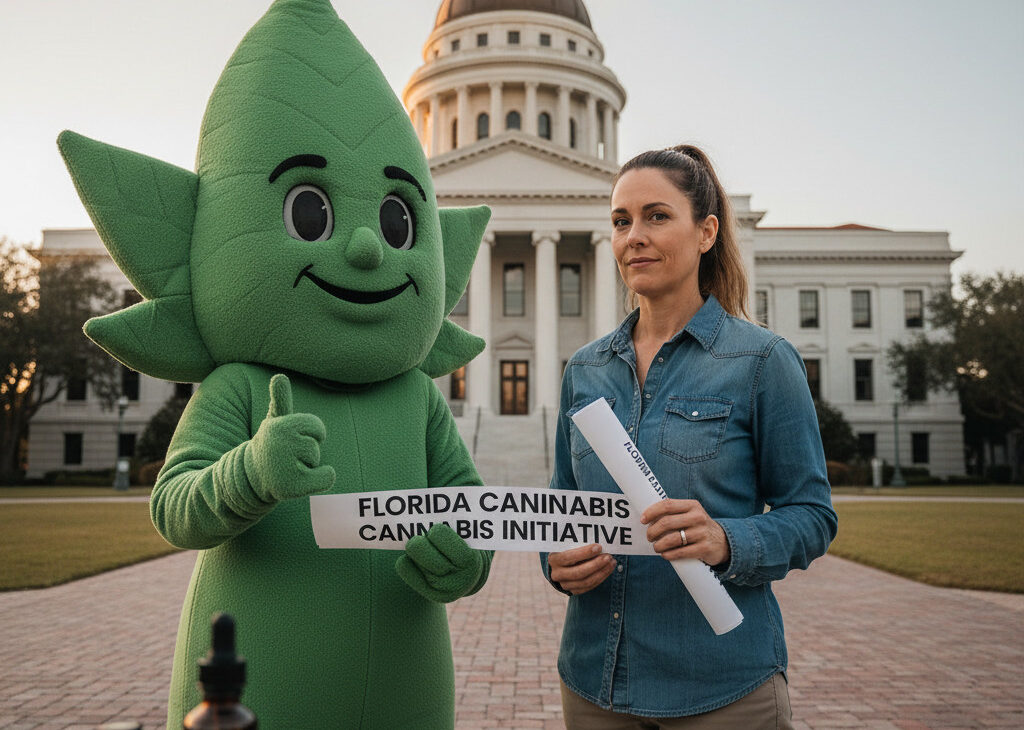
The Florida cannabis legalization ballot could reshape lives across the state. Voters may decide on adult-use legalization that affects jobs, health access, and local law enforcement. Because the measure would change state law, businesses and patients watch closely. The Smart & Safe Florida campaign drives this push, and it faces legal and signature hurdles. However, recent court moves and signature disputes have slowed the path to the ballot.
Campaign organizers say they submitted over 1.4 million signatures to meet the 880,062 requirement. Officials reported a shortfall near the February 1 deadline, despite millions of petition pages. As a result, debates about petition validation and county counts continue. If approved, the amendment could expand adult access and reshape criminal penalties. For Florida residents, this decision will affect medical cannabis patients, employers, and communities.
Therefore, understanding the court rulings, signature validation, and trial dates matters. Read on to get clear, practical guidance about what the ballot means for you. This guide breaks down the timeline, legal challenges, and what to watch before 2026. It explains validated petitions, canceled oral arguments, and county-by-county totals that affect ballot language.
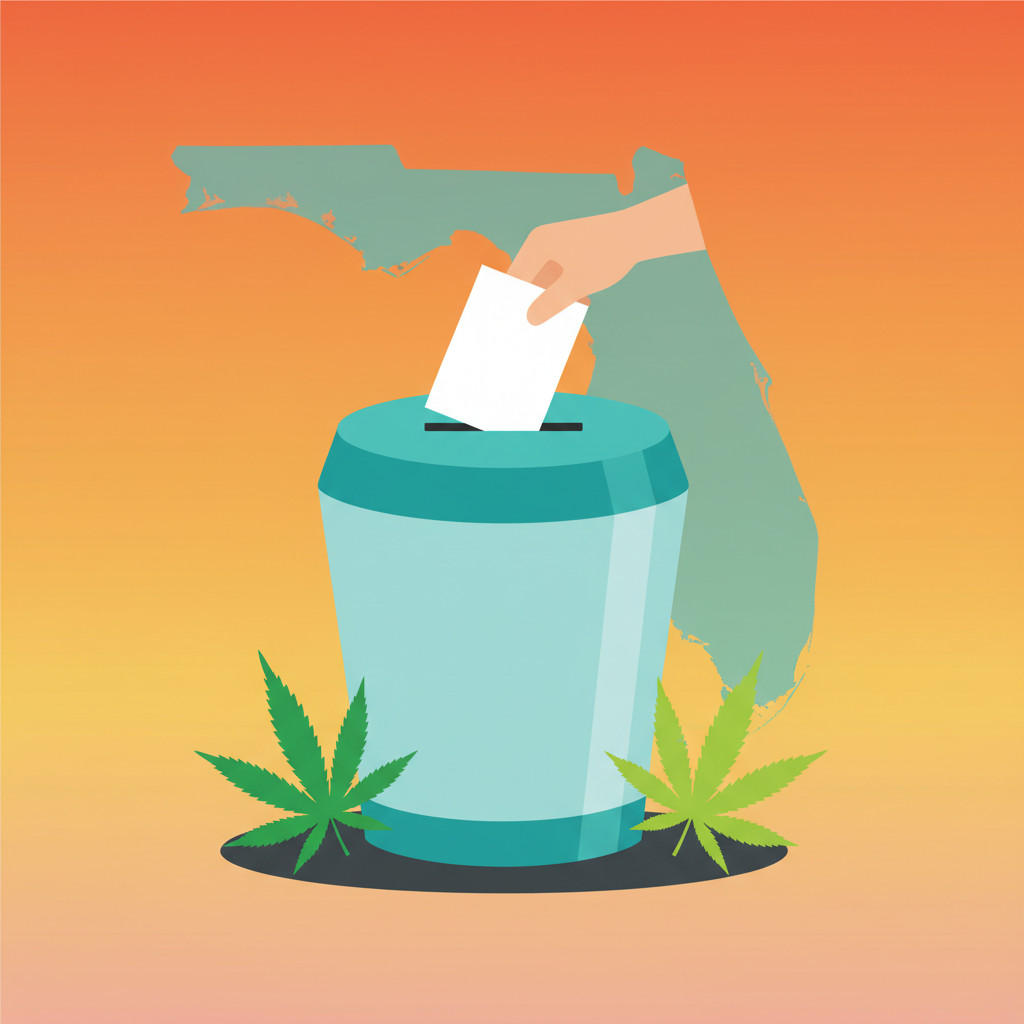
Florida cannabis legalization ballot: Social and public safety impacts
The Florida cannabis legalization ballot would change how adults access cannabis across the state. Because it removes criminal penalties for small possession, it could reduce arrests and criminal records. However, implementation details will shape public safety and local enforcement choices.
- Reduce arrests and expunge some low level records
- Shift law enforcement resources toward serious crimes
- Increase access for adult medical and recreational users
- Require local rules on public consumption and licensing
Florida cannabis legalization ballot: Economic and legal effects
Legalization could boost tax revenue, create jobs, and expand hemp and cannabis markets. For context on jobs and hemp regulation see this resource. As a result, counties may gain new revenue for schools and health services. The ballot faces legal hurdles in court that can change its timeline and wording. Read a deeper analysis at this article and check official filings at Florida Supreme Court for updates. Ballotpedia maintains a tracker of Florida measures at Ballotpedia. Voters will weigh social equity and public health considerations carefully.
- Potential tax revenue and funding for local programs
- New licensing rules and business compliance costs
- Ongoing legal challenges could delay implementation
- County by county signature validation will determine ballot eligibility
| Category | Current Florida law | Proposed change under Florida cannabis legalization ballot |
|---|---|---|
| Possession limits | Adult recreational possession is illegal. Medical patients may possess amounts approved by the medical program. | Allows adults 21 and older to possess limited amounts for personal use. Implementing statutes will set exact limits. |
| Medical versus recreational use | The state permits medical use for qualified patients only. Recreational use is not permitted. | Creates a legal adult use regime while preserving the medical program. Therefore both markets may coexist. |
| Penalties and enforcement | Possession of non medical cannabis can result in criminal charges, fines and possible jail time. Law enforcement retains arrest authority. | Decriminalizes small possession for adults and reduces penalties. As a result fewer low level arrests are expected. |
| Record relief and expungement | Convictions and records remain in many cases, which can affect employment and housing. | Provides pathways to seal or expunge some past low level convictions, subject to implementation rules. |
| Licensing and retail sales | Only medical dispensaries operate under tight state regulation. Retail sales of non medical cannabis are prohibited. | Establishes a new licensing system for adult use retailers and cultivators. Local rules will shape storefront locations. |
| Tax structure | Medical market follows existing tax and business rules without a specific adult use tax. | Proposes a new excise or sales tax on adult use cannabis to fund state and local programs. |
| Home cultivation | Home growing is generally not allowed under current medical market rules. | May allow limited home cultivation for adults, but details will depend on follow up law. |
| Workplace and safety rules | Employers can enforce drug free policies and restrict use for safety sensitive positions. | Employers likely retain broad workplace rights, however certain protections for off duty lawful adult use could be specified. |
| Public consumption and local control | Public use is generally banned and local governments may impose additional restrictions. | Continues to limit public consumption and gives local governments authority on zoning and public rules. |
Economic and social impacts of the Florida cannabis legalization ballot
Passing the Florida cannabis legalization ballot could deliver clear economic benefits. Tax revenue may fund schools, health care, and community programs. As a result, local governments could see new streams of income. Meanwhile the legal cannabis industry could create manufacturing and retail jobs across the state.
Key economic outcomes
- Increased tax revenue from adult use sales to support public services
- Job creation in cultivation, processing, retail, and ancillary sectors
- New small business opportunities and increased tourism spending
- Regulatory costs and compliance requirements for businesses
Social and criminal justice effects
Legalization would likely reduce low level arrests and court costs. Therefore many people could avoid criminal records for small possession. This change may improve employment prospects and housing access for affected individuals. However public health and safety will need careful rules for impaired driving, youth access prevention, and education.
Public health considerations
- Expand funding for substance use education and treatment
- Monitor youth prevention and school outreach programs
- Track health outcomes and adjust regulations as evidence emerges
Overall the measure could shift resources away from enforcement. It could also create new social programs funded by cannabis revenues, but policymakers must balance benefits with clear public health safeguards.
The Florida cannabis legalization ballot is a pivotal choice for Florida residents and the cannabis industry. If passed, it could reduce low level arrests, free up law enforcement, and expand legal markets. As a result, local governments may receive new tax revenue for schools and health programs. Job creation could follow in cultivation, processing, retail, and related services. However, policymakers must balance economic gains with public health and safety measures. Therefore, strong rules on impaired driving, youth access, and workplace safety will matter.
Because court rulings and signature validation remain disputed, timelines may shift and details can change. Therefore check official sources regularly and MyCBDAdvisor will monitor developments and report important changes. For industry stakeholders, passage would create licensing opportunities and regulatory responsibilities. MyCBDAdvisor stands ready as a full spectrum, research driven CBD knowledge source dedicated to providing clear, accurate, and trustworthy information.
Frequently Asked Questions (FAQs)
What is the Florida cannabis legalization ballot and who can vote on it?
The Florida cannabis legalization ballot is a proposed constitutional amendment that would legalize adult use in Florida. Registered Florida voters decide its fate during statewide elections. To vote you must be a registered voter and meet regular voter eligibility rules. Because timelines can change, check official election schedules for the exact vote date.
How will the ballot affect medical cannabis patients?
The proposal is designed to preserve the existing medical program while creating an adult use system. Therefore qualified medical patients should retain program access and protections. For program rules and patient guidance see Florida Department of Health Office of Medical Marijuana Use.
What is the current legal timeline and status of the ballot measure?
The measure faces petition validation and court review. Recently the Florida Supreme Court canceled oral arguments on ballot language but left open later review. The Smart & Safe campaign reported over 1.4 million submitted signatures. However officials cited validation disputes and shortfalls near deadlines. For court filings and status updates visit Florida Supreme Court and for a public tracker see Ballotpedia.
Will possession penalties change if the ballot passes?
Yes. The measure would decriminalize small adult possession and reduce related penalties. As a result fewer low level arrests are expected. Implementation laws will set exact possession limits and enforcement rules, so local outcomes may vary.
How will legalization affect taxes, jobs, and local rules?
Legalization typically creates new tax revenue streams, licensed jobs in cultivation and retail, and business opportunities. Local governments will have zoning and regulatory control. Therefore communities should plan for revenue allocation, public health programs, and licensing oversight.