
Cannabis culture fragmentation is reshaping how consumers, patients, and professionals talk about the plant. This fragmentation shows up as debates over hemp versus marijuana, THC versus CBD, and isolate versus full spectrum. Because of these divides, policy and regulation often chase labels instead of focusing on safety. As a result, patient access and education suffer, and brands struggle to find a common voice.
However, the plant itself contains thousands of compounds that defy simple categorization. Therefore we need clearer language, consistent safety standards, and shared regulatory frameworks. These steps would help unite medical, recreational, and wellness uses under practical rules. Moreover, industry leaders, regulators, and advocates must prioritize product safety and intoxicating potential. Thus policy can move beyond artificial divisions and support patient access while protecting consumers.
Education and transparency will build trust, while thoughtful regulation will reduce industry fragmentation. In this article we examine causes, consequences, and paths toward unity for the cannabis sector. We offer practical ideas for regulators, brands, clinicians, and consumers seeking common ground.
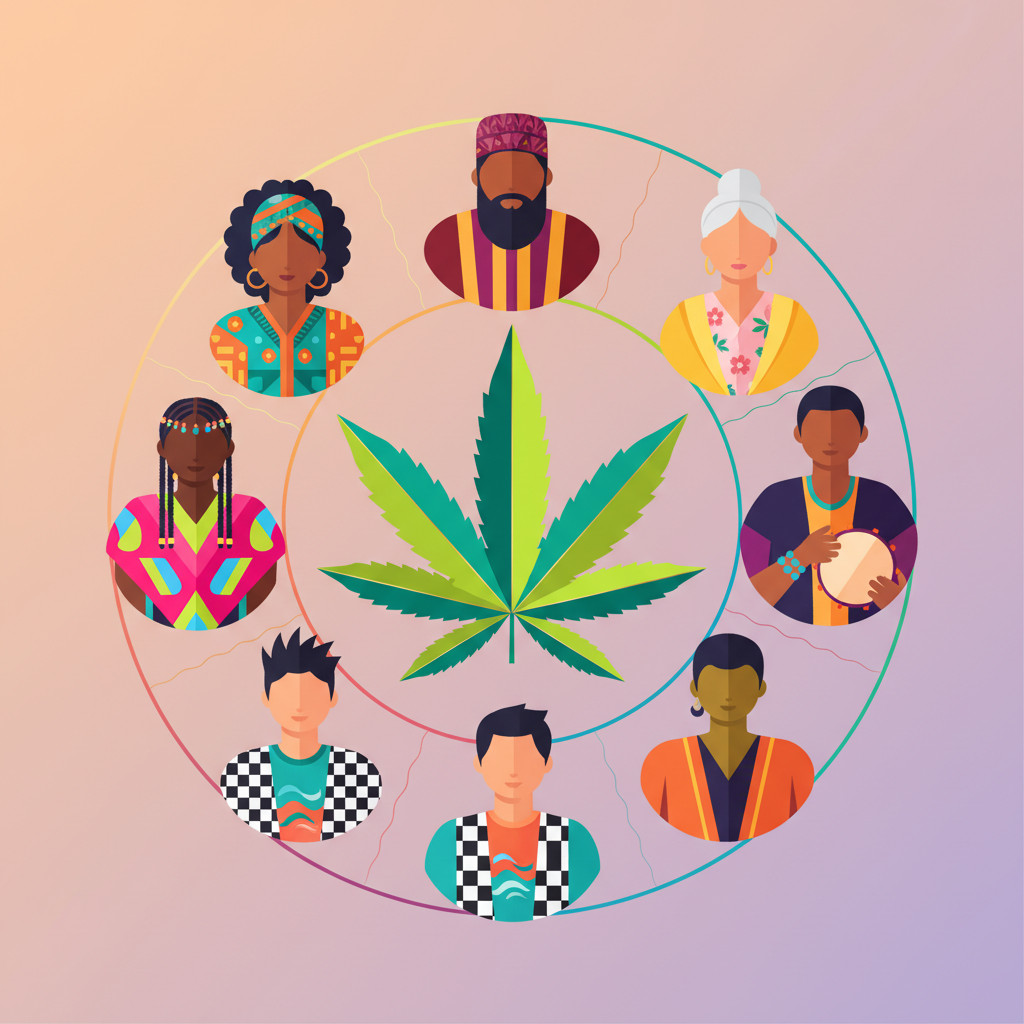
Why Cannabis Culture Fragmentation Happens
Cannabis culture fragmentation grows from many overlapping causes. First, inconsistent legal definitions create confusion. Because states and countries treat hemp and marijuana differently, markets split along legal lines. As a result, consumers and regulators prioritize labels over product safety.
Key drivers of Cannabis culture fragmentation
-
Regulatory definitions and thresholds
-
Terminology and scientific nuance
- Terms like THC, CBD, THCA, full spectrum, and isolate often mean different things to patients, brands, and regulators. However, the plant contains thousands of compounds that resist simple labels.
-
Market business models and branding
- Medical, recreational, wellness, and pharmaceutical actors compete for attention. For example, brand teams craft strict categories to reach customers quickly. As a result, cultural groups form around products and marketing.
-
Policy focus and advocacy fragmentation
- Industry groups such as the National Cannabis Industry Association bring policy ideas, but priorities differ. Moreover, voices from local collectives, patients, and large investors do not always align. See coverage on market shifts in Europe for industry context: market shifts in Europe and implications for wellness: implications for wellness.
-
Safety standards, testing, and education gaps
- Testing rules vary by jurisdiction, so product quality looks different across markets. Therefore trust erodes, and communities split into those who prioritize purity, potency, or tradition.
-
Cultural stigma and historical divides
- Stigma shapes who uses cannabis and how. High Times documented these cultural tensions and shifts: High Times coverage. Thus culture fractures along age, medical need, and social values.
Together these factors create a fragmented landscape. However, recognizing them lets regulators, brands, and clinicians design clearer rules and shared language.
| Culture group | Typical demographics | Consumption preferences | Core values and priorities | Typical behaviors |
|---|---|---|---|---|
| Medical patients | Older adults, chronic illness, caregivers | Low THC, CBD, full spectrum, Rick Simpson oil, tinctures | Patient access, safety profile, clear dosing | Visit clinics, seek education, prioritize tested products |
| Recreational users | Young adults, social users | High THC flower, edibles, vapes | Experience, socialization, potency | Attend events, follow trends, prefer strong effects |
| Wellness consumers | Adults focused on health and wellness | CBD, THCA, low-dose THC, isolates, topicals | Wellness, nonintoxicating benefits, transparency | Buy online, read labels, seek third-party tests |
| Hemp and industrial advocates | Farmers, hemp brands, sustainability groups | Hemp-derived CBD, fiber, seed products | Agricultural policy, hemp normalization, market access | Lobby regulators, promote hemp value chains |
| Pharmaceutical and clinical | Researchers, clinicians, regulators | Standardized extracts, purified compounds | Safety, efficacy, precise dosing, regulatory frameworks | Run trials, publish research, demand consistent testing. |
Market trends: My CBD Advisor
How Cannabis Culture Fragmentation Affects Consumers
Cannabis culture fragmentation changes how people shop, use, and trust products. Because terminology varies, patients often face confusion about dosing and effects. As a result, some consumers avoid cannabis or rely on unverified sources. For example, retail data shows shifts toward prefilled vapes and edibles, while demand for full spectrum and low dose products grows, which alters buying habits and product discovery. Moreover, inconsistent testing and labeling create safety concerns, and therefore trust erodes among new users and long-term patients. For consumer behavior trends and sales data see Headset for retail insights.
Industry Consequences of Cannabis Culture Fragmentation
Fragmentation increases compliance costs and slows scale. Regulators in different regions enforce different rules, so brands must adapt label, test, and distribution systems repeatedly. As a result, smaller operators struggle to comply, while larger firms consolidate buying power and market share. In addition, divided advocacy priorities make unified policy harder to achieve, and therefore legislation moves slowly. Market intelligence also shows fragmentation affects investor confidence, because inconsistent standards raise perceived risk. For policy analysis and industry resources visit The Cannabis Industry.
Practical Implications and Next Steps
Because fragmentation harms consumers and industry, stakeholders should pursue shared language and common safety frameworks. For example, focusing policy on product safety and intoxicating potential would simplify compliance and improve patient access. Moreover, brands should invest in clear labeling and consumer education, since transparency builds trust. Finally, researchers, clinicians, and trade groups can help by aligning terminology and supporting robust testing standards, which will reduce fragmentation over time.
Cannabis culture fragmentation has tangible effects on patients, consumers, brands, and regulators. Because legal definitions, marketing categories, and uneven testing diverge, confusion grows. As a result, patient access can stall and trust in product safety can decline. However, the plant’s complexity resists simple labels, so solutions must focus on safety and function. Therefore aligning language, standards, and education will reduce fragmentation and improve outcomes.
Stakeholders should prioritize product safety, patient access, and a shared vocabulary. For policymakers, focusing on the product’s safety profile and intoxicating potential makes sense. By doing so, the industry can channel energy toward research, care, and fair regulation.
FAQs about Cannabis culture fragmentation
What is cannabis culture fragmentation?
Cannabis culture fragmentation describes how the cannabis community splits into distinct groups. Because of legal, commercial, and cultural differences, users and businesses form separate identities. In short, fragmentation separates medical, recreational, wellness, hemp, and pharmaceutical communities.
What causes this fragmentation?
Several factors drive it. First, inconsistent regulatory frameworks and THC thresholds create legal patchworks. Second, terminology such as hemp, marijuana, THC, and CBD confuses people. Third, market branding and business models push narrow categories. Finally, testing gaps and stigma deepen divides.
How does fragmentation affect consumers?
Consumers face mixed labels, unclear dosing, and trust gaps. As a result, patients may delay treatment. Moreover, newcomers can choose unsafe or poorly tested products. Therefore clear labeling and education are essential.
What can industry and regulators do to reduce fragmentation?
They can align language, prioritize product safety, and harmonize testing rules. In addition, focusing policy on safety profiles and intoxicating potential simplifies regulation. Thus patient access and market unity improve.
How can consumers navigate a fragmented market?
Look for third party testing, choose reputable brands, and read lab reports. Also, ask clinicians about dosing and full spectrum versus isolate options. Finally, seek education from trusted sources to make informed choices.