Brazilian Medicinal Cannabis Regulation
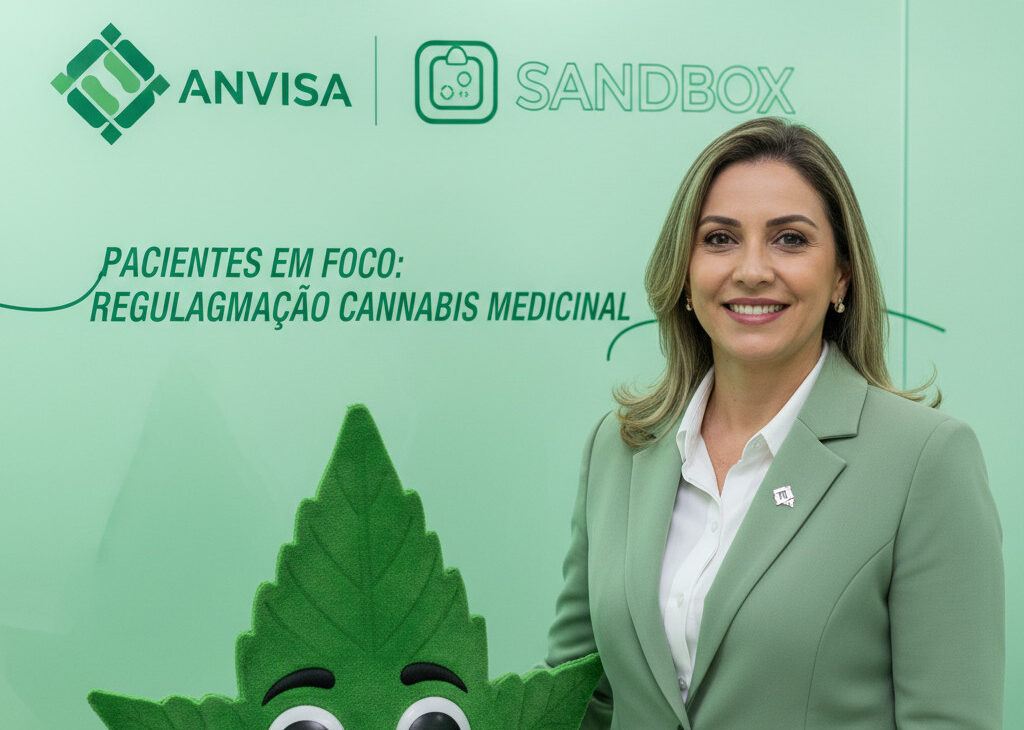
Brazilian medicinal cannabis regulation is at a crossroads after Brazil approved a new regulatory framework in early 2026. The shift matters because it changes how patients, researchers, and producers interact with cannabis. ANVISA now allows regulated cultivation by approved entities under strict sanitary oversight. However, the framework also caps plant THC at 0.3 percent, with narrow exceptions for research and regulated sandboxes.
Patient associations gain an explicit role in the new rules. They may join controlled projects if they show two years of formal legal standing and technical capacity. As a result, artisanal production is reframed as small-scale, care-focused activity rather than informal supply. Traceability runs through the whole chain from genetics to finished product. This creates new demands for laboratories and professional training.
Beyond domestic consequences, Brazil positions itself as a reference for the Global South and BRICS. Therefore, policy makers balance caution with experimentation. This introduction previews the article’s focus on patient associations and the hybrid administrative-judicial system. It also highlights research pathways and how traceability may reshape access. Ultimately, the regulation starts questions more than it offers final answers.
Brazilian medicinal cannabis regulation: legal framework at a glance
Brazil approved a new regulatory framework for medicinal cannabis in early 2026. ANVISA drives the policy, and the rules aim to balance safety with access. As a result, the framework reshapes who can grow, make, and supply cannabis-derived medicines.
Key elements of the current legal framework and important rules
- New regulatory approvals in January 2026 establish production rules and traceability across the full productive chain. These rules set sanitary and security requirements. For reporting and press summaries see here.
- ANVISA authorizes cultivation on Brazilian soil by approved legal entities. Therefore cultivation requires prior sanitary inspection and a Special Authorization. This limits unregulated backyard grows.
- The policy imposes a general THC 0.3 percent threshold for plants, with narrow exceptions for authorized research and experimental sandboxes. Consequently, products with higher THC remain tightly controlled.
- Patient associations now have a defined role. However, associations must show at least two years of formal legal existence and administrative and technical capacity to qualify for controlled projects.
- The system operates as a hybrid of administrative authorization and judicial decisions, which means judicialization still shapes access in particular cases.
- Traceability and quality control run from genetics to finished product. Thus laboratories, plant biotechnology, and trained professionals gain central importance.
- Artisanal production is reframed as regulated, small-scale, and care-focused rather than informal commercial supply.
- Compounding pharmacies may dispense cannabis-based medicines, increasing routes of access for patients. For more on dispensing rules see here.
Impact on patients and healthcare providers
- Patients gain clearer legal channels to access medical cannabis, but practical access depends on supply, prescription practices, and regulatory capacity. Moreover, clinicians must adapt prescribing practices to new formats and to traceability demands.
- Healthcare providers must comply with tighter record-keeping and quality assurance requirements, because traceability is mandatory. Therefore clinics and pharmacies will need new procedures and training.
- Finally, Brazil positions its framework within BRICS and the Global South, and policymakers look to international models for lessons. For one comparative example, see the Netherlands experiment: here.
Challenges under Brazilian medicinal cannabis regulation
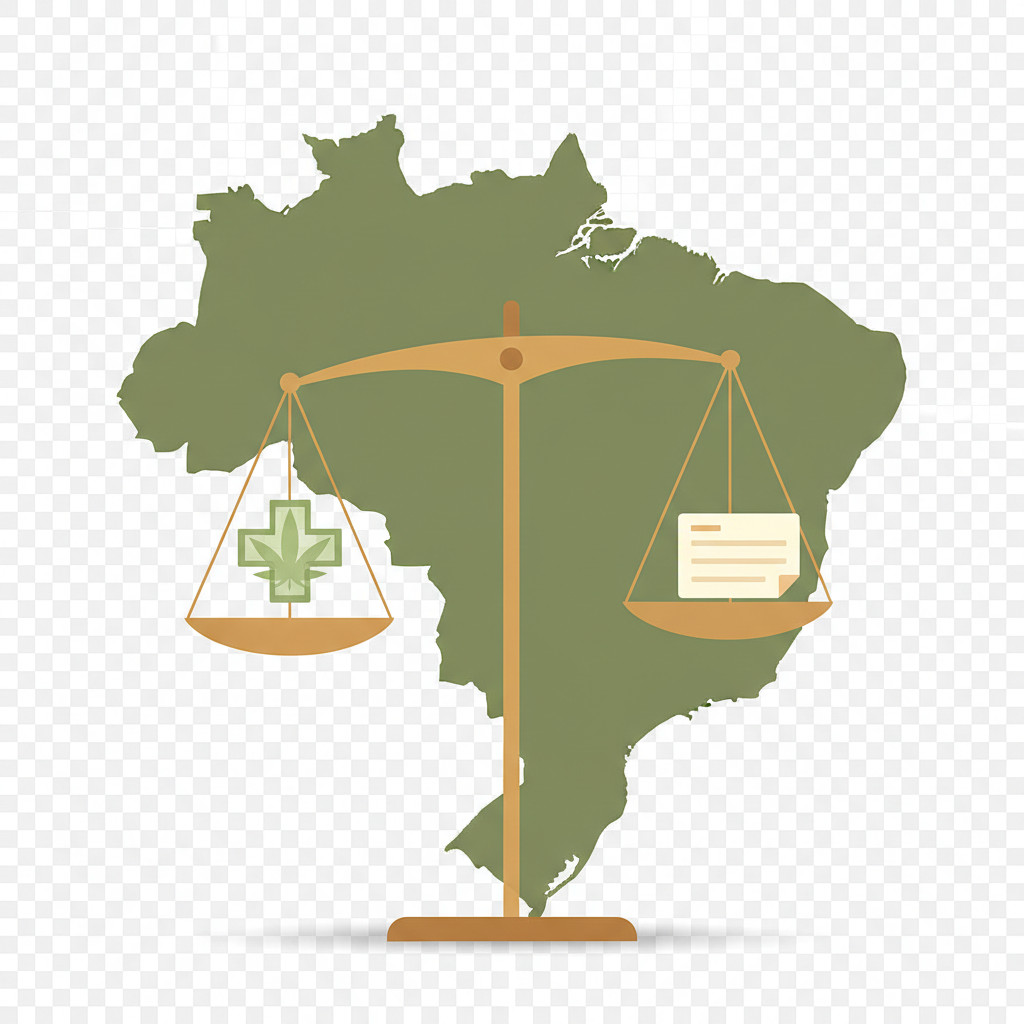
Implementation faces several practical hurdles that may slow benefits for patients. ANVISA requires rigorous sanitary inspections and traceability. However, many producers and clinics lack the equipment and staff to meet those standards quickly. Moreover, the 0.3 percent THC threshold limits some therapeutic formulations. As a result, clinicians and patients may still seek judicial pathways to access higher THC products. The hybrid administrative and judicial system creates legal uncertainty for providers and producers. Meanwhile, patient associations must show two years of formal legal existence and technical capacity, which raises entry barriers for grassroots groups. Traceability and lab testing increase costs. Therefore small operators may struggle to compete. Finally, workforce gaps in plant biotechnology and quality control require rapid training programs to avoid bottlenecks.
Key challenge points
- Regulatory compliance costs for small producers and associations
- THC 0.3 percent ceiling restricting some clinical options
- Judicialization that creates case-by-case access and uncertainty
- Limited laboratory capacity and professional training needs
- Risk of unequal geographic access because infrastructure concentrates in big cities
Opportunities within Brazilian medicinal cannabis regulation
The new framework also creates tangible openings for patients, researchers, and businesses. Domestic cultivation under ANVISA opens pathways for local supply chains. Consequently, Brazil can reduce import dependency and improve medicine affordability. Patient associations gain formal recognition, which supports community care projects and small-scale production focused on patient needs. Research sandboxes and explicit exceptions for scientific studies allow controlled trials. Therefore researchers can generate local evidence on efficacy and safety. Traceability requirements promote public trust and quality assurance. As a result, compounding pharmacies and trained clinicians can integrate cannabis therapies into standard care. Finally, Brazil’s positioning within BRICS and the Global South offers knowledge exchanges and export opportunities for biotechnology and traceability technologies.
Potential benefits
- Growth of local cultivation and biotech innovation
- Stronger patient-led care models and community involvement
- New research data from sandboxes and controlled trials
- Improved quality through mandatory traceability and lab testing
- Job creation in agriculture, labs, and clinical services
Brazilian medicinal cannabis regulation compared with the Netherlands and Canada
This table compares key elements of Brazilian medicinal cannabis regulation with two other models. It highlights legal status, patient access, product types, regulatory agencies, and special features. Use this quick reference to see differences and shared policy choices.
| Category | Brazil | Netherlands | Canada |
|---|---|---|---|
| Legal status | Regulated for medicinal and pharmaceutical purposes since January 2026; domestic cultivation authorized for approved entities under strict oversight; general plant THC cap 0.3 percent (exceptions for research). For coverage see Agency Brazil and Folha UOL. | Experiment-based regulated supply chain in participating municipalities; experiment law decriminalizes cultivation and sale within the experiment; government pages track phases and evaluation. See Dutch Government. | Legal nationwide for medical use since 2001 with strict regulation; national framework allows licensed cultivation, manufacture, and distribution under Health Canada oversight. See Health Canada. |
| Patient access | Prescription-based access; compounding pharmacies may dispense; judicialization remains a route in contested cases; patient associations may join sandboxes if they meet entry criteria. | Patients access via licensed coffee shops in experiment municipalities; controlled products aim to replace illicit supply during the experiment. | Patients access via clinician authorization; licensed producers and medical dispensaries supply products; reimbursement varies by province. |
| Types of products allowed | Low-THC plant material, extracts, oils, topical formulations; higher THC allowed only in research or special authorization. | Regulated flower and derived products for sale in experiment municipalities; product range expands under controlled supply rules. | Wide range including dried flower, oils, capsules, topicals, and edibles under strict licensing rules. |
| Regulatory agency | ANVISA leads implementation and sanitary oversight; framework mixes administrative authorization and court decisions. | Dutch Ministry of Health plus municipal regulators manage the experiment; independent research monitors outcomes. See Dutch Government. | Health Canada regulates cultivation, processing, and distribution; provincial health authorities manage local access and distribution. |
| Special features | Emphasis on traceability from genetics to product; recognition of patient associations and sandboxes; focus on public accountability and research. | Experiment model tests closed supply chain, public health impacts, and crime effects; independent evaluation guides policy. | Mature regulated market with licensed producers, research programs, and established quality standards. |
Note: links above point to official sources and reputable reporting. They provide further detail on each country’s regulatory approach.
Conclusion
Understanding Brazilian medicinal cannabis regulation matters for patients, clinicians, and industry. The new ANVISA framework creates structure where uncertainty once reigned. However, regulation is not an endpoint. It sets a process that will evolve with research, judicial decisions, and patient needs.
For patients this means clearer legal pathways, though access depends on supply and local capacity. For healthcare providers it means new prescribing norms, traceability demands, and training. For businesses and researchers the framework opens domestic cultivation, controlled trials, and biotech innovation. Consequently, local supply can reduce import dependence and improve affordability over time.
In short, Brazilian regulation reframes cannabis as a subject of accountable public policy and science. Therefore stakeholders should follow the rules closely, engage in sandboxes, and invest in quality systems. The policy starts structured questions, and stakeholders must answer them through evidence and care.
Frequently Asked Questions (FAQs)
Is medicinal cannabis legal in Brazil?
Yes. Brazil approved a new regulatory framework in January 2026. ANVISA now allows regulated cultivation by approved entities under strict sanitary oversight. However, the rules cap plant THC at 0.3 percent, with narrow exceptions for authorized research and experimental sandboxes.
Who can access medicinal cannabis products?
Patients may access cannabis products with a clinician prescription. Compounding pharmacies can dispense approved formulations. Judicialization still provides case by case access when administrative routes fail. Patient access depends on local supply and regulatory capacity.
What product types are permitted under the rules?
Low THC plant material, standardized extracts, oils, and topical formulations qualify for general use. Higher THC products remain restricted to authorized research or special authorizations. Therefore some clinical indications may require case by case approvals.
How can patient associations participate in the system?
Associations now have a formal role in controlled projects and sandboxes. However, to qualify they must demonstrate two years of legal existence and show administrative and technical capacity. As a result, well organized associations can support care focused production and community projects.
What should patients and healthcare providers expect going forward?
Expect stronger traceability requirements and tighter quality controls. Clinics and pharmacies must adopt new record keeping and testing procedures. Meanwhile, domestic cultivation offers chances to reduce import dependence and improve supply. For practical steps, consult your clinician, verify product traceability, and follow ANVISA guidance as it evolves.