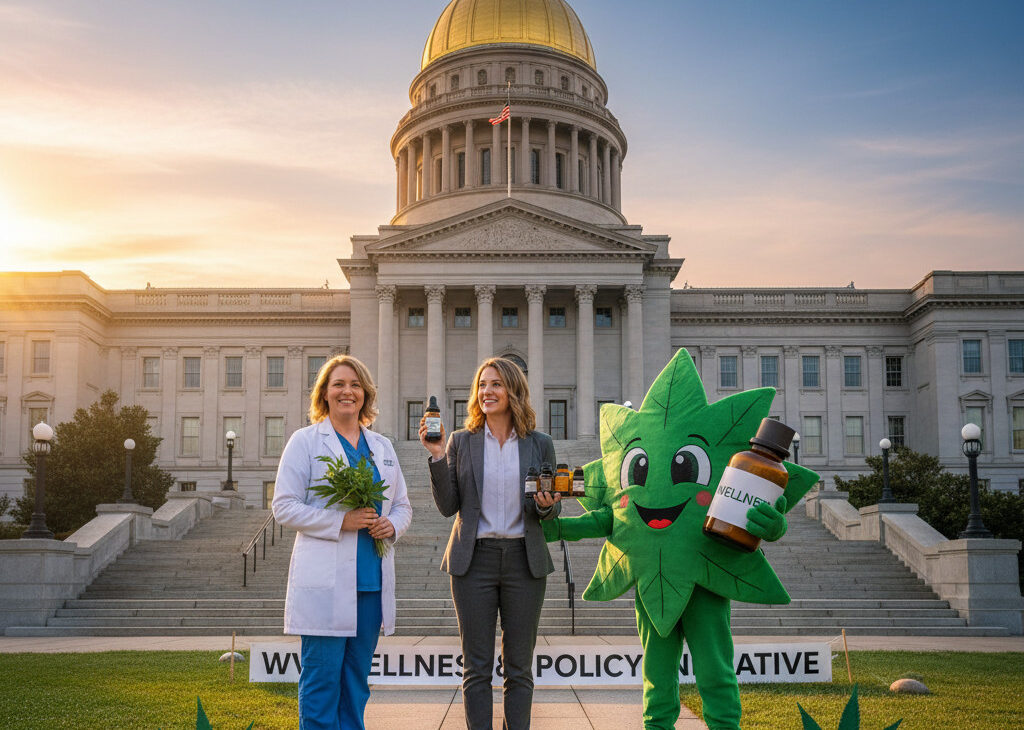
West Virginia Medical Cannabis Tax Revenue Allocation (HB 5074)
HB 5074 proposes new uses for millions in unspent cannabis funds. The House passed HB 5074 by a 79-12 vote, and the bill now moves to the Senate Finance Committee. Because the state holds about 38 million dollars in that account, many stakeholders are watching closely. However, officials have said they will not spend the money until federal law recognizes the program.
HB 5074 suggests a three-part allocation to fund research, homeless prevention, and child welfare pilots. For example, the bill would direct 10 million dollars to Marshall University and West Virginia University for ibogaine research. It would also allocate 5 million dollars for homeless prevention and 3 million dollars for a foster care pilot.
As a result, operators and patients should expect changes in funding priorities across the medical cannabis program. Moreover, the proposal raises questions about how research funding could influence care and market rules. This article explains what HB 5074 means for stakeholders and what to watch next.
Breaking Down West Virginia medical cannabis tax revenue allocation (HB 5074)
West Virginia medical cannabis tax revenue allocation (HB 5074) outlines a three part plan to spend unspent medical cannabis tax funds. The House passed the bill by a 79 to 12 vote, and it now sits in the Senate Finance Committee. The state holds about 38 million dollars in that account. However, officials said they will not access the funds until federal law recognizes the program. Because the proposal targets research and social services, it matters to both operators and patients. Below are the key elements of the tax revenue allocation process.
- Total funds: roughly 38 million dollars held by the state Treasurer’s Office.
- Three part allocation: 10 million dollars for research, 5 million for homeless prevention, and 3 million for a foster care pilot.
- Research grants: 10 million dollars would support ibogaine studies at Marshall University and West Virginia University.
- Spending conditions: officials have tied spending to changes in federal cannabis law.
- Legislative path: the bill passed the House and now faces review in the Senate Finance Committee. For details, see this article.
- Why it matters: tax revenue allocation could reshape West Virginia cannabis law and fund public health research.

How West Virginia medical cannabis tax revenue allocation (HB 5074) could affect patients, businesses and state funding
The West Virginia medical cannabis tax revenue allocation (HB 5074) would redirect unspent medical cannabis revenue into research and social programs. For patients, this means potential new treatments and expanded services. For example, the bill sets aside 10 million dollars for ibogaine research at Marshall University and West Virginia University, which could change clinical options for certain mental illnesses. However, researchers caution that studies take time and regulatory hurdles remain. For background on the bill and its vote in the House, see this article.
For businesses, HB 5074 could change market signals and compliance expectations. Because lawmakers propose using funds for health and safety, licensing agencies might adjust rules. As a result, operators should expect more public scrutiny and possible funding tied to program outcomes. Moreover, if the Treasurer moves to release funds as reported, grant programs or law enforcement grants could receive immediate support. See reporting on fund release at this report.
State funding and public programs would also feel HB 5074 effects. The bill would allocate 5 million dollars for homeless prevention and 3 million dollars for a foster care pilot via the Child Protection Commission. Therefore local service agencies could see new grant streams. In addition, the debate over whether to spend the money before federal law changes could shape future West Virginia cannabis law. For commentary on the policy shift and its implications, review analysis at this analysis.
Key takeaways
- Patients may gain access to research driven treatments, but outcomes will take years.
- Businesses should prepare for regulatory shifts and increased oversight.
- State programs could get targeted funding for housing and child welfare.
Overall, HB 5074 links medical cannabis revenue to public health and safety goals. Stakeholders should follow the Senate Finance Committee for updates and plan accordingly.
| Program or Sector | Allocation Amount | % of State Balance ($38,000,000) | % of Proposed Allocations ($18,000,000) | Notes |
|---|---|---|---|---|
| Research grants (Marshall University and West Virginia University — ibogaine studies) | $10,000,000 | 26.3% | 55.6% | Funds target clinical and public health research |
| Homeless prevention programs | $5,000,000 | 13.2% | 27.8% | Services and housing support for vulnerable residents |
| Child Protection Commission foster care pilot | $3,000,000 | 7.9% | 16.7% | Pilot for foster care improvements and child welfare |
| Total proposed allocations | $18,000,000 | 47.4% | 100.0% | Sum of the bill’s earmarked programs |
| Remaining unallocated funds | $20,000,000 | 52.6% | 0.0% | Held by Treasurer’s Office pending legal or legislative changes |
| Grand total (state balance) | $38,000,000 | 100.0% | 100.0% | Current reported balance of unspent medical cannabis tax revenue |
Notes: Percentages use the reported state balance of 38 million dollars. Therefore allocations shown reflect HB 5074 proposed amounts. Because the bill earmarks 18 million dollars, stakeholders should watch how the remaining funds might be assigned under West Virginia cannabis law.
Conclusion
West Virginia medical cannabis tax revenue allocation (HB 5074) marks a major policy step for the state. It would channel unspent medical cannabis revenue into research, homelessness prevention, and child welfare. Because the bill dedicates $10 million to ibogaine research, it could expand treatment research and shape future care.
For patients, this means possible new therapies and improved services, but results will take years. For businesses, the allocation signals tighter oversight and shifting funding priorities. Moreover, state agencies may gain resources to strengthen public safety and social programs. As a result, stakeholders should prepare for regulatory shifts and new grant opportunities.
MyCBDAdvisor remains a trusted resource for clear cannabinoid guidance. We commit to providing concise, accurate information for consumers and professionals navigating cannabis law and market trends. Therefore follow legislative developments closely, because they will influence care, business planning, and funding for years to come.
Frequently Asked Questions (FAQs)
What is the West Virginia medical cannabis tax revenue allocation (HB 5074)?
HB 5074 is a bill to assign unspent medical cannabis tax revenue to named programs. The House passed the bill 79 to 12. It would earmark $10 million for research, $5 million for homeless prevention, and $3 million for a foster care pilot. However, officials say they will not release funds until federal law recognizes the program. The bill now sits in the Senate Finance Committee. For background reporting, see this article.
How will HB 5074 affect patients and medical care?
The bill could expand research driven care, because it funds university studies into treatments like ibogaine. Therefore patients may see new clinical data over time. However, funding does not change immediate patient eligibility or prescription rules. As a result, treatment access stays the same in the short term, while long term research may influence best practices.
What are the expected HB 5074 effects on businesses and operators?
Businesses should expect shifting market signals and more oversight. Because lawmakers link revenue to public health goals, regulators may tighten compliance. Operators should prepare for grant programs, public scrutiny, and potential rule changes. In addition, licensing bodies could update guidance to reflect new funding priorities.
Who will receive the funds, and how will grants be managed?
The bill names Marshall University and West Virginia University for research grants. It also directs funds to homeless prevention programs and the Child Protection Commission for a foster care pilot. The Treasurer currently holds the balance. Therefore grants would follow state appropriation procedures and oversight if the money is released. See reporting on fund management at this article.
When will the state release the funds, and how can stakeholders stay informed?
Release depends on legal and legislative steps and potential federal changes. The bill must clear the Senate Finance Committee and any required approvals. Stakeholders should follow the committee docket, Treasurer announcements, and trusted reporting. For policy context, read analysis at this article.
If you have a specific question about West Virginia medical cannabis revenue or HB 5074, follow legislative updates or contact program administrators for official guidance.