
Cannabis for perimenopause symptoms: Natural relief for sleep, mood, and hot flashes
Perimenopause often brings hot flashes, sleep loss, anxiety, low libido, and sudden mood swings. These shifts happen because hormone levels change and the endocannabinoid system can misfire. As a result many seek natural options to ease symptoms before turning to hormones. Cannabis for perimenopause symptoms shows promise as one such option backed by user reports and emerging studies. Cannabinoids like CBD, THC, CBG, and CBN interact with the ECS to influence sleep, mood, and pain. Moreover terpenes such as linalool and beta-caryophyllene can shape relaxation and anxiety relief. However cannabis is not a cure and it should not replace medical care or hormone advice. Instead consider it as a tool to manage symptoms alongside testing, lifestyle changes, and professional support. This article will explain how different cannabinoids and formats may help and how to use them safely. Read on to learn evidence, dosing ideas, and safety tips.
What is perimenopause?
Perimenopause is the transition before menopause when ovarian hormones change. During this phase estrogen and progesterone fluctuate and periods become irregular. Because hormone shifts affect many body systems, symptoms can appear months or years before periods stop.
Why symptoms happen and Cannabis for perimenopause symptoms
Hormone swings can disrupt temperature regulation, sleep, and mood because they alter neurotransmitters and the stress response. As a result many people notice sleep loss, anxiety, and hot flashes. Some research and clinical resources explain these typical effects in plain terms. See examples at the Mayo Clinic and the NHS for more background.
Common perimenopause symptoms
- Hot flashes and night sweats
- Sleep disturbances and early morning waking
- Mood swings, anxiety, and irritability
- Low libido and vaginal dryness
- Brain fog, memory lapses, and concentration problems
- Joint pain and headaches
- Changes in appetite and weight
These symptoms vary in intensity and pattern. For example hot flashes can wake someone at 3 a.m., which disrupts sleep and worsens daytime fatigue. Over time poor sleep can increase anxiety and reduce cognitive sharpness. Likewise vaginal dryness and libido changes can affect relationships and self-esteem.
Because symptoms often overlap, people adopt multiple strategies to cope. Lifestyle steps help, however many also explore complementary options such as targeted cannabinoids. Later sections explain how CBD, THC, CBG, THCV, and CBN may address specific symptoms and improve daily functioning.
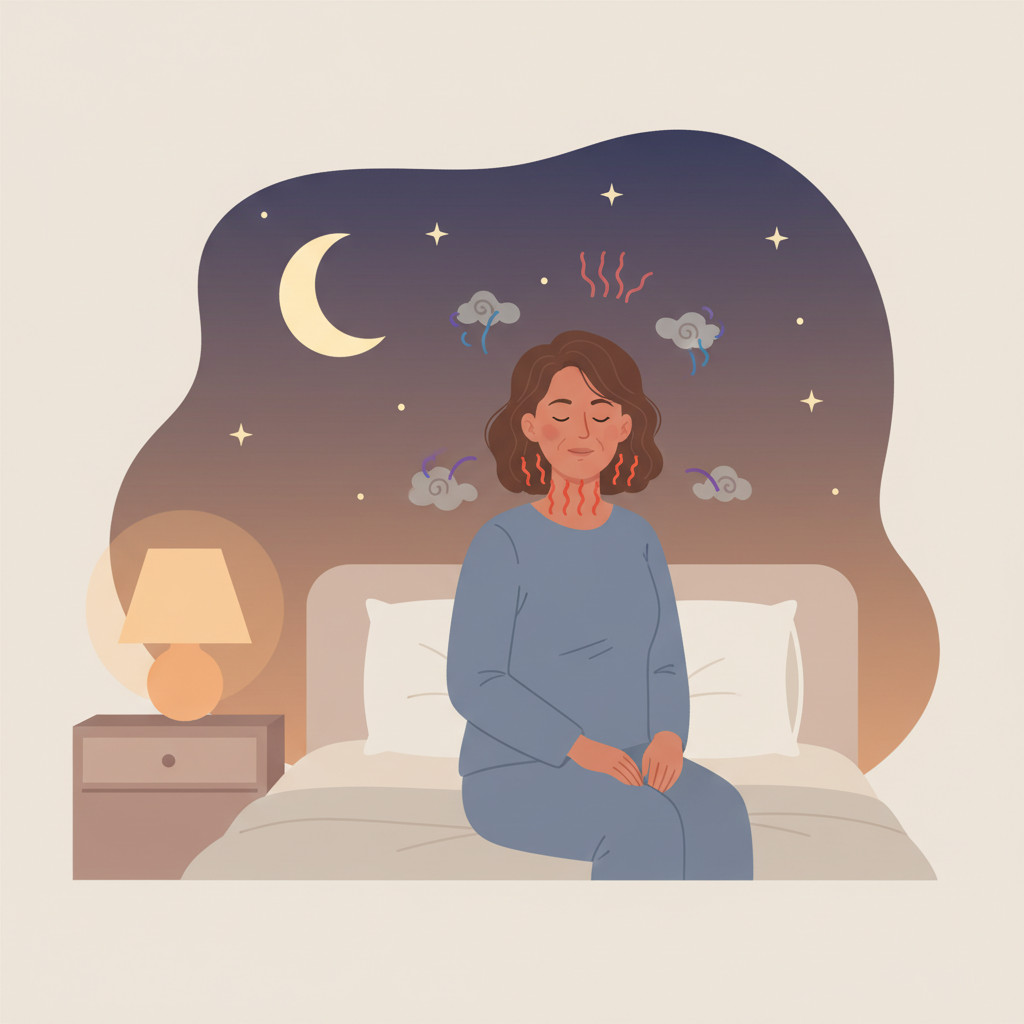
Cannabis for perimenopause symptoms: how cannabinoids may help
Cannabis interacts with the endocannabinoid system to influence sleep, mood, and temperature. Because estrogen fluctuations can dysregulate ECS signaling, cannabinoids may restore balance. For example CBD and CBG can calm racing thoughts, while THC often helps with sleep initiation. As a result many users report fewer night wakings and less anxiety.
Benefits by symptom and compound
- Sleep disturbances: THC can help start sleep, and CBN may deepen late night rest. CBD and CBG can reduce nighttime anxiety and rumination. Therefore blended products often work better than isolates.
- Mood and anxiety: CBD and certain terpenes like linalool and beta-caryophyllene support calm and stress reduction. As a result mood swings may become less severe.
- Hot flashes and vasomotor symptoms: Balanced 1:1 THC CBD products can provide steady relief for temperature spikes. Also cannabinoids influence vascular tone through ECS pathways.
- Pain and joint stiffness: Full spectrum cannabis and CBG show promise for reducing aches. Moreover terpenes like myrcene may add soothing effects.
- Libido and vaginal discomfort: Topicals and low dose cannabinoids can reduce discomfort and support intimacy for some people.
Support from studies and surveys
Surveys find many midlife people use cannabis to manage sleep and mood. For example a 2022 survey reports wide use for menopause symptoms and shows perceived benefits. See the study at Cannabis Use in Midlife Adults. Meanwhile research on ECS changes during reproductive aging suggests a biological basis for cannabis effects. For more on ECS modulation during aging see ECS Modulation during Aging.
Cannabis for perimenopause symptoms: safety and practical considerations
Start low and go slow because sensitivity varies with hormones and age. First try a low dose CBD product to test tolerance, and then add small amounts of THC only if needed. Also prefer full spectrum or balanced blends when targeting multiple symptoms. However consult a clinician before combining cannabis with prescription medicines, especially blood thinners and hormone therapies.
Potential side effects include dizziness, dry mouth, cognitive fog, and daytime sedation. Because cannabis can affect driving and work, do not operate vehicles until you know how it affects you. Finally, keep regular medical follow up and consider hormone testing as a companion to cannabis use.
Product comparison for Cannabis for perimenopause symptoms
Below is a quick guide comparing common cannabis formats. It explains effectiveness, administration, onset time, and best symptom matches. Use this table to choose a product that fits your needs and lifestyle.
| Product Type | Typical Effectiveness | Administration | Onset Time | Best For |
|---|---|---|---|---|
| Oils (sublingual) | Effective for systemic relief. Full spectrum blends often perform best. | Place under the tongue for fast absorption. Also mix into food if preferred. | 15 to 45 minutes sublingual. Up to 90 minutes when swallowed. | Sleep initiation, anxiety reduction, hot flash control, mood support. |
| Edibles | Long lasting and discreet. Effects can be strong at higher doses. | Eat as gummies or baked goods. Dose is less flexible once consumed. | 45 minutes to 2 hours. Peak effects at 2 to 4 hours. | Nighttime sleep maintenance, prolonged pain relief, persistent mood swings. |
| Topicals | Targeted relief without strong systemic effects. Good for local pain. | Apply directly to the skin over sore joints or muscles. Do not ingest. | 15 to 60 minutes depending on formulation. | Joint pain, muscle aches, vaginal discomfort when formulated for mucosal use. |
| Tinctures | Versatile and fast when used sublingually. Easy to microdose. | Drop under the tongue or add to drinks. Start with small doses. | 15 to 45 minutes sublingual. Variable if swallowed. | Rapid anxiety relief, sleep initiation, flexible daytime dosing. |
Tips
- Start low and increase slowly because sensitivity varies. Also track effects for several days.
- Prefer full spectrum or balanced 1 to 1 THC CBD blends when you need multi symptom relief.
- Consult a clinician before mixing cannabis with prescriptions, especially hormone treatments.
Conclusion
Cannabis can offer targeted relief for common perimenopause symptoms like sleep loss, hot flashes, and anxiety. However evidence varies and individual responses differ. Therefore treat cannabis as a complementary tool rather than a replacement for medical care.
When used thoughtfully, cannabinoids such as CBD, THC, CBG, and CBN can ease sleep and mood problems. Moreover full spectrum and balanced 1:1 formulations often deliver broader benefits. At the same time side effects and drug interactions matter. As a result consult a clinician before starting cannabis.
MyCBDAdvisor offers research driven guidance to help consumers make clear, informed choices. Visit MyCBDAdvisor for transparent product reviews, dosing tips, and safety resources. The site emphasizes education and practical, evidence aware advice.
Finally start low and go slow. Track symptoms, avoid driving until you know how cannabis affects you, and pair cannabis with hormone testing and professional support when needed. Make choices that protect your health and quality of life.
Frequently Asked Questions (FAQs)
Is cannabis safe to use for perimenopause symptoms?
Cannabis can help some people, however safety depends on health status and medications. Start with low doses of CBD first. Also consult your clinician if you take blood thinners or hormone therapy. Monitor how you feel and stop if you notice worrying effects.
Is cannabis legal where I live?
Laws vary by country and state, so check local regulations before buying. Medical and recreational rules differ, and age limits often apply. Therefore buy only from licensed retailers when possible.
What dose should I start with for sleep or hot flashes?
Start low and go slow because hormones affect sensitivity. Try 5 to 10 milligrams of CBD or a very small THC microdose. Increase gradually over days while tracking effects. For concentrated extracts like RSO use a rice grain sized dose if advised by an expert.
What side effects should I expect?
Common side effects include dry mouth, dizziness, and daytime sedation. Cognitive fuzziness and appetite changes can occur. Do not drive until you know how cannabis affects you.