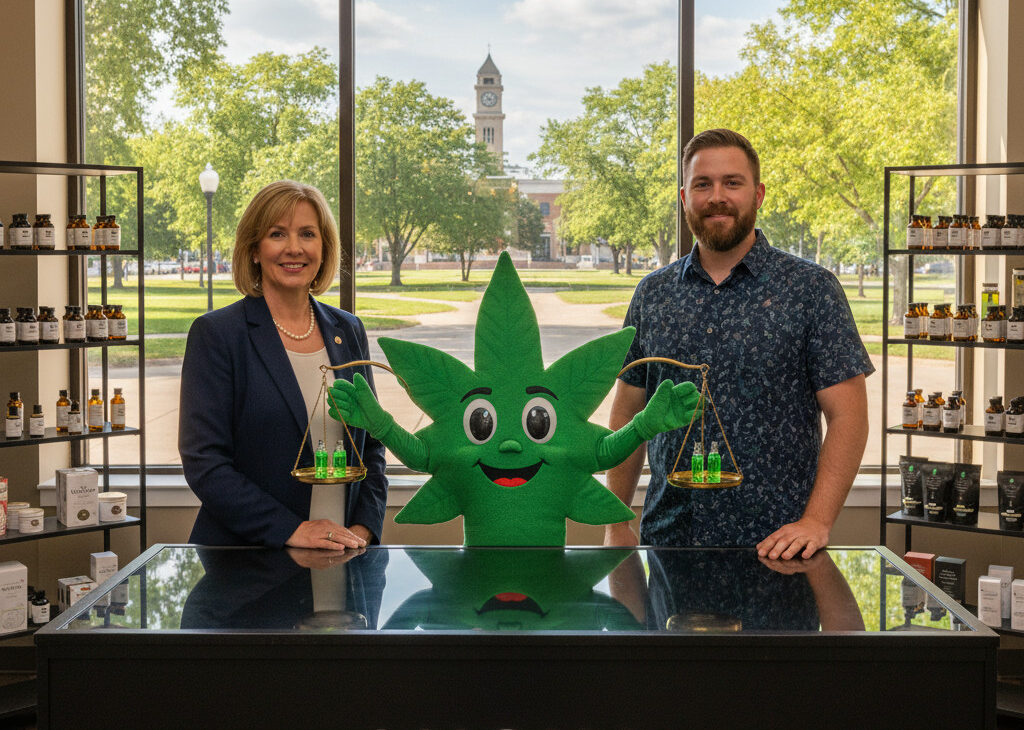
Cannabis regulation and government involvement: Why city run dispensaries and tougher penalties matter
Cannabis regulation and government involvement shapes how cities and states run retail cannabis. It determines who can sell, where shops open, and how communities benefit. Because rules vary widely, local experiments now matter more than ever.
In Anoka, Minnesota, a city operated cannabis dispensary began serving the public last week. The Anoka Cannabis Company offers a local model for public ownership. In particular, the shop will channel revenue to city parks and lower the city tax levy.
This article explains the policy shift, the enforcement changes, and the community impacts. We will cover
- city operated cannabis dispensary pilots and their goals
- state level penalties and amended bills in places like Virginia
- what data from the Minnesota Office of Cannabis Management reveal
Overall, the piece uses research and reporting to map legal changes and fiscal outcomes. As a result, readers will gain clear context to judge new models of cannabis governance. Therefore, continue reading for a deep but readable look at law, regulation, and local government roles.

Historical overview: Cannabis regulation and government involvement
Understanding the history helps explain today’s rules and debates. Over the last century, lawmakers shaped cannabinoid laws and regulatory frameworks. As a result, today’s policy changes reflect both federal choices and local experiments.
Key milestones and their impact
- 1937 Marihuana Tax Act — The law imposed strict controls. It effectively limited legal cannabis commerce for decades. Consequently, early prohibition framed later enforcement.
- 1970 Controlled Substances Act — The federal law classified cannabis as Schedule I. This classification raised criminal penalties and restricted research. See the text at details.
- 1996 California Proposition 215 — California legalized medical cannabis. Therefore, states began designing separate medical regulatory frameworks.
- 2012 Colorado and Washington — Voters approved adult-use legalization. States then built licensing systems and tax structures for retail markets.
- 2014 federal guidance and budget limits — Congress limited DOJ interference with state medical programs. This move reduced some federal enforcement against state-legal markets.
- 2015 North Bonneville municipal store — The Washington city opened a government-run dispensary. It showed how local governments might run retail operations. See coverage at here.
- 2026 Anoka municipal dispensary — Anoka opened a city-owned store. The effort aims to fund parks and cut the tax levy. Read more at this article.
Historical takeaways
Over time, policy changes shifted power toward states and cities. Consequently, regulatory frameworks grew more varied. Today, government involvement ranges from strict criminal penalties to city-operated dispensaries. Therefore, lawmakers now balance public safety, revenue, and social equity. These tensions shape current debates about enforcement, licensing, and future cannabinoid laws.
Regional comparison: Cannabis regulation and government involvement
Below is a concise comparison of cannabis regulation and government involvement across regions. The table highlights legality, licensing, government roles, and enforcement.
| Region | Legal status | Licensing model | Government involvement | Enforcement and penalties | Notes and sources |
|---|---|---|---|---|---|
| United States | Mixed: state legal, federal illegal, Schedule I classification | State level licenses, local zoning control, large state variation | States and cities set retail options, some cities operate dispensaries | Varies by state; federal Schedule I creates legal conflict, penalties differ widely | Controlled Substances Act details source |
| Canada | Nationwide legal for adult use since 2018 | Federal Cannabis Act, provinces issue retail licenses | Federal framework sets rules, provinces manage retail and distribution | Licensed retail is legal, penalties target illegal sales and unlicensed sellers | Health Canada overview source |
| European Union | Mostly illegal for recreational use, medical programs expanding | National licensing where allowed, country by country frameworks | EU agencies monitor trends, national governments set laws | Penalties range from fines to prison depending on member state | EMCDDA resources source |
| Uruguay | Fully legalized for adult use since 2013 | State registry and controlled sales, home grow allowed | Government regulates production, sales, and user registration | Enforcement focuses on unregistered distribution and illegal trafficking | Uruguay national policy publicly documented |
| Asia (selected countries) | Predominantly prohibited, strict criminal regimes in many states | Very limited licensing, mainly for medical research in some countries | Strong central government control and strict enforcement | Severe penalties in several countries for trafficking and possession | Enforcement varies widely by country |
Current trends: Cannabis regulation and government involvement
Policy moves at multiple levels now reshape markets, research, and enforcement. As a result, regulators balance public health, equity, and revenue goals. Therefore, this section outlines the main trends and their likely effects.
Major trends right now
- Legalization progress: More U.S. states have legalized medical or adult-use cannabis. For context, the National Conference of State Legislatures tracks state laws and frameworks at NCSL Medical Cannabis Laws. Consequently, states lead innovation in licensing and markets.
- Municipal experimentation: Cities test new roles, including city-operated dispensaries. For example, Anoka, Minnesota opened a municipal store to fund parks and lower taxes. Local reporting notes 12 Minnesota municipalities have applied for adult-use licenses, which matters for local control MPR News on Anoka Dispensary.
- Tougher enforcement measures: Some legislatures add stricter penalties for unlicensed sales and underage possession. In Virginia, amendments introduced harsher sanctions that prompted pushback from advocates and civil rights groups Filter Magazine on Virginia Legislation. As a result, legalization debates now include criminal-justice concerns.
- Market regulation and licensing changes: Regulators refine retail rules, zoning, and product standards. Therefore, states now aim to curb illicit markets while protecting youth and safety. The Minnesota Office of Cannabis Management provides regulatory guidance and licensing information Minnesota Office of Cannabis Management.
Emerging research and data points
- Research now focuses more on public health, impaired driving, and equity programs. Meanwhile, federal Schedule I status still limits some studies, although states fund growing bodies of evidence.
- Policymakers increasingly use data to weigh tax rates, diversion risks, and social-equity licensing. Thus, evidence shapes how governments adjust fines, criminal classifications, and consumer protections.
Credibility note
Anoka city leaders framed the municipal dispensary as a civic benefit, saying it supports parks and keeps taxes lower. However, advocates warn that harsher penalties can undercut legalization goals. Therefore, lawmakers must weigh revenue and public safety together.
CONCLUSION
Understanding cannabis regulation and government involvement matters for consumers and businesses alike. Because rules determine access and compliance, people must track local changes. Businesses need clear licensing and enforcement knowledge to operate safely and profitably.
This article showed how cities and states craft different regulatory frameworks, from municipal dispensaries to tougher penalties. For example, city operated stores can fund parks and lower taxes. Amended bills may add harsher fines for illegal sales. Therefore, stakeholders must balance public safety, equity, and market stability.
Consumers should check local rules before buying or traveling with cannabis. Businesses should consult regulators and legal counsel to stay compliant. MyCBDAdvisor will continue reporting on policy, science, and market trends.
Stay informed because legal landscapes change quickly. As a result, knowing the rules helps readers avoid legal risk and make better decisions.
Frequently Asked Questions (FAQs)
What is meant by ‘cannabis regulation and government involvement’?
Cannabis regulation and government involvement refers to laws, licensing, enforcement, and policy roles across federal, state, and local governments. It covers cannabinoid laws, regulatory frameworks, zoning, and public health rules. Because rules vary by place, understanding local policy changes matters for compliance and access.
Can a city operate its own dispensary?
Yes. Some cities run or try municipal dispensaries. For example, Anoka, Minnesota opened a city-operated dispensary this year. In 2015 North Bonneville ran a government-owned store. Municipal models aim to direct revenue to public services and to exert local control over retail markets.
How do penalties and enforcement vary?
Penalties differ widely. Some states treat illegal sales as a Class 1 misdemeanor with jail and fines. Others impose strict prison terms for large-scale trafficking. Meanwhile, lawmakers often add fines for unlicensed purchases and underage possession. Therefore penalties reflect local priorities on public safety and deterrence.
How do regulations affect consumers and businesses?
Regulations shape who can sell and what products appear on shelves. Licensing rules affect startup costs and market entry. Product standards protect consumer safety. Tax rules influence pricing and the size of illicit markets. As a result, businesses must plan for compliance and consumers should verify licensed sources.
Where can I find reliable updates on rules and compliance?
Check state cannabis agencies and local city council announcements first. Regulatory agencies publish licensing guides and rule changes. Also follow reputable news outlets and official reports. If you run a business, consult legal counsel or compliance experts. Ultimately staying informed reduces legal risk and supports responsible market participation.