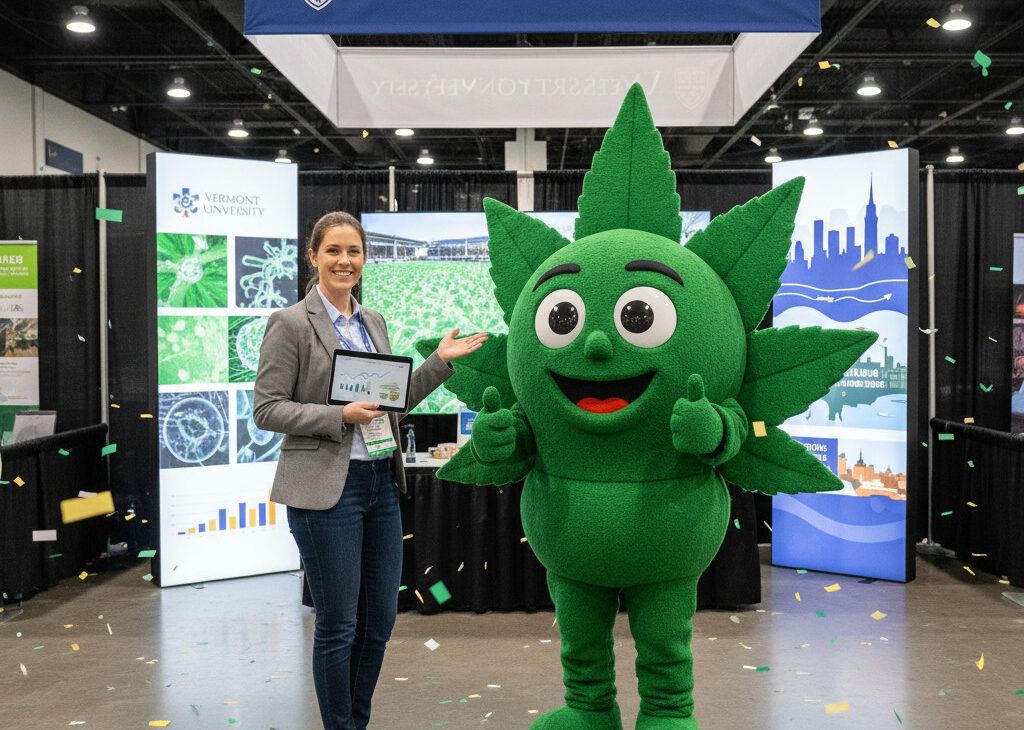
Vermont State University educational partnership with the Vermont Cannabis Convention
Vermont State University educational partnership with the Vermont Cannabis Convention creates a direct bridge between higher education and an emerging industry. This alliance will shape workforce training, research, and career pathways for students and professionals.
In May 2026, Vermont State University will serve as the educational partner at the convention in Burlington. Because the cannabis sector needs skilled workers, this partnership offers practical training and real-world connections. Students can access the Cannabis Studies Certificate, Cannabis Employee ID Card Compliance Training, and panels on cultivation, genetics, and industry operations.
Therefore, educators and employers can exchange feedback to match curriculum with job needs. Moreover, attendees will gain hands-on learning from experts and panel discussions that emphasize community and career development. As a result, Vermont’s model may inspire similar workforce development efforts in other states. Attendees will leave with clear career steps and employer contacts.

Image representing an educational partnership between Vermont State University and the Vermont Cannabis Convention. The visual shows two hands clasped above a stylized cannabis leaf with subtle academic elements in the background.
Vermont State University educational partnership with the Vermont Cannabis Convention: Goals
Vermont State University educational partnership with the Vermont Cannabis Convention aims to align academic training with real market needs. The goal is workforce development through hands-on learning and policy insights. Because VTSU offers the Cannabis Studies Certificate, the partnership highlights interdisciplinary training in cultivation, genetics, law, and business. Therefore, students can gain credentials and the Cannabis Employee ID Card Compliance Training required for employment. For full details, see the university announcement at the university announcement.
Vermont State University educational partnership with the Vermont Cannabis Convention: Benefits and target audiences
This educational cannabis alliance will benefit students, employers, and regulators. Students gain career pathways, and employers access trained applicants. Moreover, educators receive feedback to update curricula that reflect Vermont cannabis industry education needs. The convention will attract cultivators, researchers, entrepreneurs, and policymakers. As a result, the event creates networking and hiring opportunities. For event logistics and exhibitor info, visit the convention site at the convention site and industry coverage at Ganjapreneur. In short, this academic cannabis initiative connects community, classroom, and commerce to build a skilled local workforce.
| Program Name | Institution | Target Audience | Format | Key Benefits |
|---|---|---|---|---|
| Cannabis Studies Certificate | Vermont State University | Undergraduates, career changers, industry professionals | Hybrid in person workshops and Online courses | 12 credit interdisciplinary Certification; compliance training; employer connections; hands-on workshops |
| Cannabis Employee ID Card Compliance Training | Vermont State University | Job seekers and current employees in Vermont cannabis sector | Online modules plus in person sessions | State required compliance credential; certification; regulatory knowledge |
| Convention Education Sessions | Vermont Cannabis Convention | Cultivators, researchers, entrepreneurs, policy makers | In person events | Networking; industry panels; live demonstrations; hiring fairs |
| Professional Workshops | Ganjapreneur | Entrepreneurs, small business owners, investors | Online webinars and sessions | Business strategy; market trends; investor and speaker networks |
| Horticulture Training Program | Oaksterdam University | Aspiring cultivators and cultivation technicians | In person labs with Online supplements | Cultivation labs; genetics and propagation focus; technical certifications |
Community impact and broader implications
Vermont State University educational partnership with the Vermont Cannabis Convention extends beyond classrooms. It strengthens local ties and builds clear career paths. Therefore, students, employers, and residents stand to gain from practical training and open dialogue.
Key community benefits and implications include:
- Workforce development and training: Vermont cannabis workforce training creates job pipelines. As a result, employers find better-qualified hires. This reduces hiring gaps.
- Community engagement and stigma reduction: Because education invites discussion, stigma around cannabis can lessen. Moreover, public panels and workshops foster respectful conversation.
- Student opportunity and career pathways: Students access internships, compliance training, and employer networks. Consequently, they move from theory to hands-on roles faster.
- Industry standards and local growth: Academic cannabis initiatives help standardize best practices. Therefore, small businesses gain technical guidance and regulatory clarity.
In short, this cannabis education community impact is practical and cultural. It supports economic growth, promotes safe practices, and opens new careers. Ultimately, the partnership models how higher education can partner with industry to benefit whole communities.
Conclusion
Vermont State University educational partnership with the Vermont Cannabis Convention promises clear educational value and tangible community benefits. It links classroom learning to industry needs and provides hands-on training. Because the partnership emphasizes workforce development, students gain market-ready skills and employers find qualified candidates.
Moreover, this collaboration supports stigma reduction and local economic growth. As a result, community members can engage in respectful dialogue and learn industry best practices. Emp0 plays a bridging role by connecting academic work with broader cannabis resources. In addition, the partnership fits within a wider cannabis and hemp information ecosystem exemplified by MyCBDAdvisor, which helps learners and professionals access reliable content and tools.
In short, this academic cannabis initiative models practical, community-centered education. Therefore, it sets a path for future programs that support careers, standardize training, and strengthen Vermont’s cannabis sector.
Frequently Asked Questions (FAQs)
What is the purpose of the Vermont State University educational partnership with the Vermont Cannabis Convention?
The partnership links Vermont State University and the Vermont Cannabis Convention to train a skilled workforce. It aligns classroom learning with real industry needs. Because it combines academic courses with convention programming, students access practical training and employer networks. Moreover, organizers receive direct feedback to refine curricula and match job requirements.
What programs and sessions will be available?
VTSU will highlight the Cannabis Studies Certificate. The certificate is a 12 credit interdisciplinary program covering cultivation, genetics, policy, and business. Students also can complete Cannabis Employee ID Card Compliance Training. At the convention, expect panels, hands on workshops, and hiring sessions. Therefore, attendees earn credentials and make employer contacts.
Who should attend or enroll?
Students, career changers, and current industry workers should consider these offerings. Cultivators, researchers, entrepreneurs, and regulators will also benefit. Community leaders and small business owners gain practical guidance. As a result, the initiative serves anyone interested in Vermont cannabis workforce training.
How can I participate or register?
Register for the Vermont Cannabis Convention to attend education sessions. Then check VTSU course listings for enrollment and compliance training dates. Because VTSU offers hybrid formats, many courses suit busy learners. Contact the university or convention organizers for exact steps and fees. Additionally, attend workshops for networking and hands on practice.
What impact will this partnership have on the local industry and community?
The collaboration strengthens workforce development and local economic opportunity. It fosters community engagement and helps reduce stigma through public education and open dialogue. Moreover, academic cannabis initiatives raise industry standards and safety practices. Therefore, Vermont can grow a skilled, compliant workforce that supports sustainable industry growth and resilience.