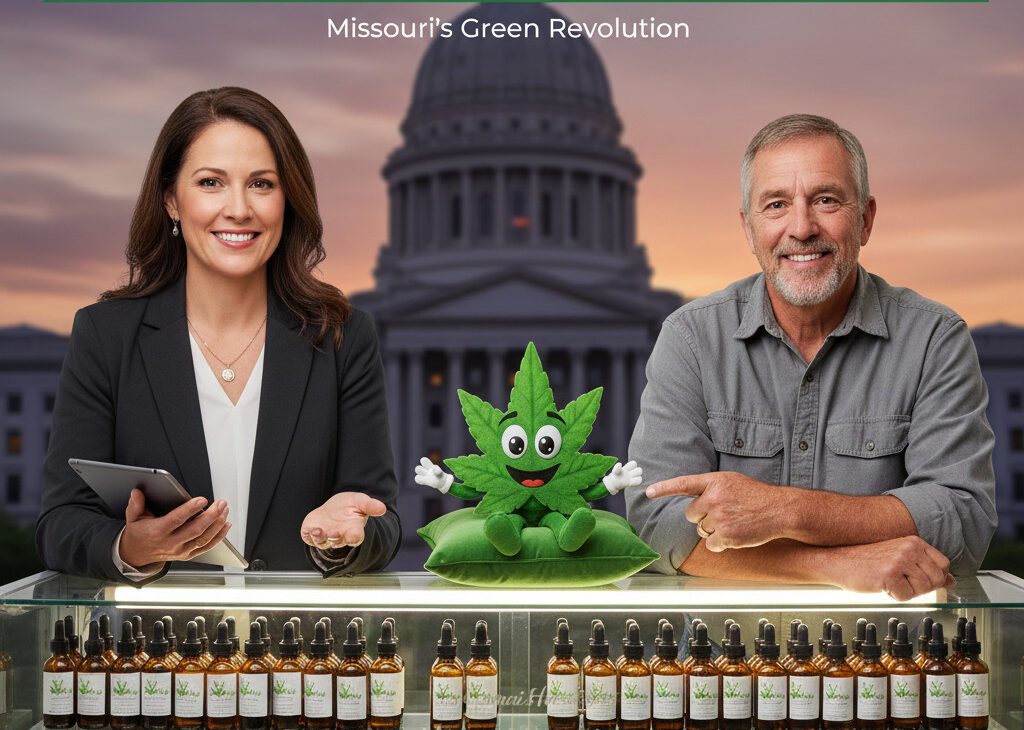
Missouri’s Ban on Intoxicating Hemp Products
Missouri has enacted a ban on intoxicating hemp products (hemp-derived THC). The move has thrust the state into a wider debate over regulation, safety, and access.
Consumers, retailers, and growers now face uncertainty about sales and compliance. Because HB 2641 aims to align state law with the federal crackdown, enforcement could tighten quickly. Moreover, products might move into licensed cannabis dispensaries, narrowing the market for hemp brands.
For consumers, clearer labeling and packaging safeguards will matter more than ever. As a result, producers must weigh reformulation, new compliance steps, and possible retail changes. Supporters argue the bill closes legal loopholes and helps law enforcement. However, opponents say the law could rewrite voter-adopted cannabis language and limit choices. Because the proposal moves next to the Missouri Senate, debate will continue in coming weeks. This introduction previews what the bill means for health policy, business, and everyday users.

Background and legal context: Missouri ban on intoxicating hemp products (hemp-derived THC)
Federal action reshaped hemp rules in late 2025. Specifically, Congress narrowed the legal definition of hemp and capped THC in consumer products. As a result, Missouri lawmakers introduced House Bill 2641 to enact the Missouri ban on intoxicating hemp products (hemp-derived THC). Read the bill text at this link.
Key facts
- The Missouri House passed HB 2641 by a 109 to 34 vote.
- Sponsor: state Rep. Dave Hinman.
- Opponent noted in debate: state Rep. Matthew Overcast.
- The bill seeks to align state law with federal restrictions on intoxicating hemp.
- If enacted, sales could be limited to licensed cannabis dispensaries.
Regulatory context and agencies
The Missouri Department of Health and Senior Services would manage licensing and oversight. Moreover, state law enforcement, the highway patrol, and the attorney general’s office have enforcement roles. The proposal next moves to the Missouri Senate and then to the governor. For background on federal changes, see analysis at this analysis. For comparisons, California’s state ban and compliance work are described at this source.
Quick state comparison
| State | Current approach | Sales channel | Notes |
|---|---|---|---|
| Missouri | Ban proposed via HB 2641 | Would allow sales in licensed dispensaries only | Aligns with federal crackdown |
| California | State prohibition on intoxicating hemp | Prohibited in general retail | State enforcement led to high compliance |
| Texas | No statewide ban as of 2025 | Delta eight remains largely available | State action varied regionally |
Because federal and state rules now interact, producers and retailers must watch both levels closely. Therefore, legal uncertainty will persist while rules roll out.
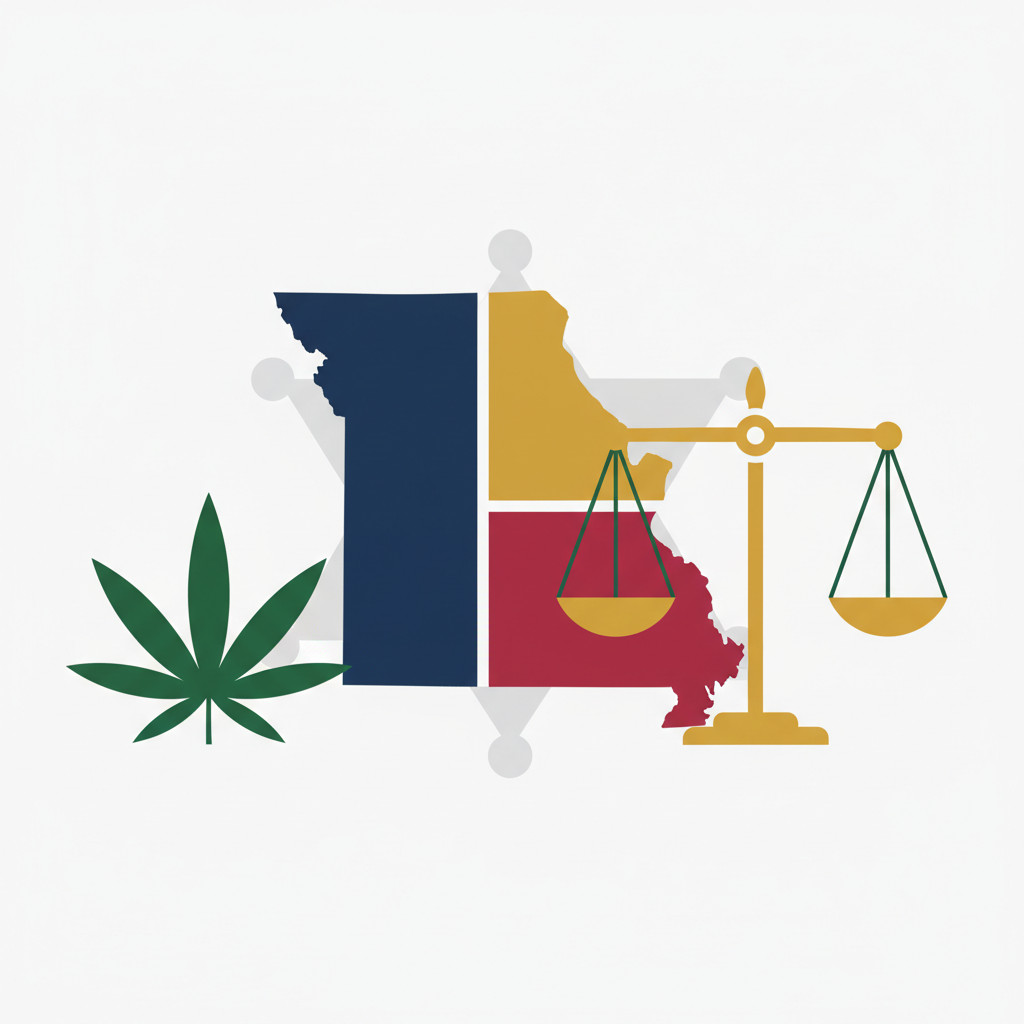
Health and safety implications of the Missouri ban on intoxicating hemp products (hemp-derived THC)
State action on hemp-derived THC reflects public health concerns. Because products varied widely in potency and labeling, regulators flagged risks. Moreover, emerging science links unregulated cannabinoids to acute adverse events.
Key public health risks
- Unintended intoxication particularly among children and inexperienced adults.
- Contaminants from crude processing, including solvents and byproducts.
- Variable potency across delta-8 and other hemp-derived cannabinoids.
- Respiratory harms from vaping formulations and additives.
Consumer safety concerns
- Poor labeling and marketing can make edibles attractive to youth. Therefore, accidental ingestions increased in recent years. See CDC reporting on a 2024 restaurant outbreak.
- The FDA has documented adverse events and warns about delta-8 products: FDA Warning.
- Surveys show teen use of delta-8 is notable; policy makers cite NIH data.
Regulatory perspective
Strong rules aim to reduce youth access and accidental poisonings. However, critics say bans may push markets underground. For technical evidence on vaping harms and product variability, see this review.
Because hemp laws Missouri now interact with federal policy, regulators will need clear labeling, testing, and age restrictions to protect consumers.
Comparative table: Missouri ban on intoxicating hemp products (hemp-derived THC) versus other states
Below is a quick comparison showing how Missouri stacks up against several other states on hemp-derived THC rules.
| State | Status | THC limit (delta-9) | Sales channel | Enforcement measures and notes |
|---|---|---|---|---|
| Missouri | Ban proposed via HB 2641 | Federal hemp definition 0.3% by dry weight; bill targets intoxicating hemp | If enacted, sales limited to licensed cannabis dispensaries only | Enforcement by Missouri Department of Health and Senior Services, highway patrol, attorney general; aligns with federal crackdown |
| California | State prohibition on intoxicating hemp products | 0.3% delta-9 hemp definition | Prohibited in general retail; regulated cannabis sales handled separately | State enforcement led to broad compliance and retail removals |
| Texas | No statewide ban as of 2025 | 0.3% delta-9 | Widely available in many retail outlets in 2025 | Local enforcement varies; state actions differ regionally |
| Colorado | Regulated cannabis market; hemp cannabinoids sold under rules | 0.3% delta-9 for hemp; adult-use cannabis can exceed that limit under cannabis law | Intoxicating products generally sold through licensed dispensaries | Strong testing, labeling and packaging standards for cannabis products |
| New York | Restricted amid adult-use cannabis rollout | 0.3% delta-9 | Licensed dispensaries for adult-use cannabis; hemp intoxicants largely curtailed or under review | Regulators emphasize youth protections, testing and clear labeling |
Note: State rules change quickly. Therefore check official state agencies for the latest guidance.
CONCLUSION
The Missouri ban on intoxicating hemp products (hemp-derived THC) marks a significant legal shift. Because HB 2641 aligns state law with federal restrictions, enforcement will likely tighten.
Consumers face reduced retail options and new age, labeling, and packaging rules. Producers must adapt testing, reformulation, and licensing plans.
Health and safety drove much of the debate, given variable potency, product contaminants, and risks to children. Therefore regulators emphasize testing and clear labels to prevent harm.
However some critics warn bans could push products underground and reduce market transparency. As the bill moves to the Missouri Senate, uncertainty will persist for businesses and users.
Stay informed, because hemp laws and cannabinoid regulation change quickly. MyCBDAdvisor serves as a trusted, research-driven source for cannabinoid news and guidance. Visit MyCBDAdvisor for updates and deeper resources.
For timely legal summaries and practical compliance tips, consult reputable resources and seek legal counsel when needed. Act promptly.
Frequently Asked Questions (FAQs)
What is the Missouri ban on intoxicating hemp products (hemp-derived THC)?
HB 2641 would prohibit retail sales of intoxicating hemp products and align state law with federal restrictions. If enacted, sales would generally move to licensed cannabis dispensaries.
When does the ban take effect?
The measure must pass the Missouri Senate and receive the governor’s signature before taking effect. Until then, current hemp laws remain in place.
How will this affect consumers and retailers?
Consumers may lose general retail access to many hemp THC products. Retailers and producers will need new licenses, testing, and labeling to sell through dispensaries.
Are there health reasons for the ban?
Regulators cite inconsistent potency, contaminants, and youth exposure risks. Therefore officials argue stricter rules reduce accidental ingestions and adverse events.
Where can I get reliable updates and legal guidance?
Track official state agencies and trusted sources like MyCBDAdvisor and consult legal counsel for compliance questions.