UK CBD novel foods filings: Why the Hemp Hound Submission Matters
UK CBD novel foods filings have become a pivotal regulatory battleground in the UK. Because regulators must balance safety and market access, firms face a complex approval path. As a result, recent Article 4 submissions like Hemp Hound’s attract intense scrutiny.
These filings matter because they determine which CBD products remain on shelves. However, the process faces challenges including inconsistent guidance, long backlogs, and disputes over historical use. Stakeholders worry about governance, transparency, and legal precedent.
MyCBDAdvisor approaches this topic with careful research and neutral analysis. Therefore we will unpack the legal arguments, the Food Standards Agency’s role, and possible outcomes. This introduction sets the stage for a deeper look at how one submission could reshape policy.
We aim to present evidence, quotes, and data to help readers understand risks and opportunities. Because the stakes include public safety and industry survival, this story matters to consumers and businesses alike.
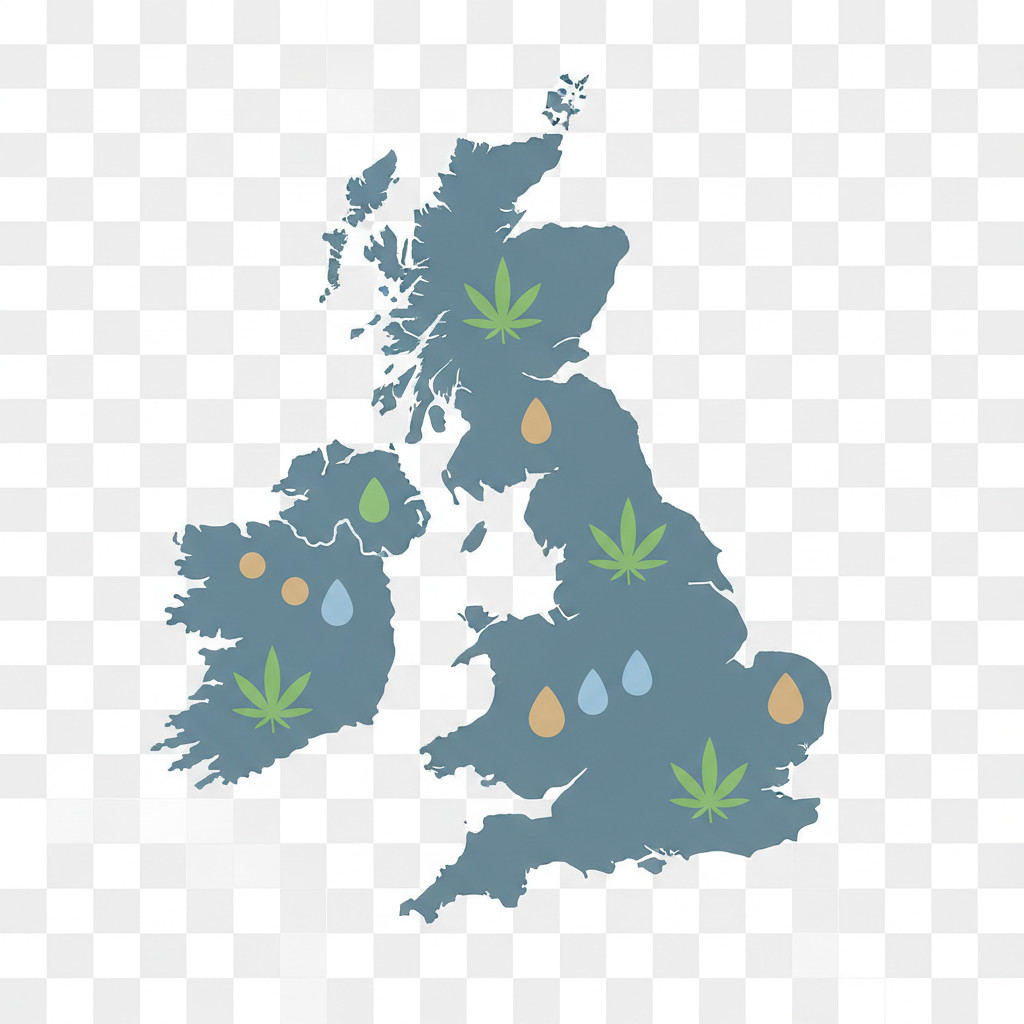
Legal framework for UK CBD novel foods filings
The regulatory basis for CBD in food rests with the Food Standards Agency and the EU Novel Food Catalogue. Because the Catalogue flagged CBD and hemp extracts as novel in 2019, businesses must seek authorisation before marketing food products. The Food Standards Agency leads assessments in Great Britain, and it publishes guidance and a public register of linked products for transparency. See the FSA guidance: FSA Guidance and the FSA product list: FSA Product List.
Approval follows the novel foods approval pathway. Applicants must provide safety data, production details, and evidence of historical use if available. However, evidence gaps often slow assessments, and the FSA may place products in stages such as awaiting evidence or safety assessment. The EFSA provisional safe level work adds further scientific scrutiny: EFSA Provisional Safe Level.
Common CBD compliance challenges include:
- Complex evidence requirements because manufacturers must prove safety and consistent composition.
- Long backlogs and uncertainty, which affect market access and product stock.
- Disputes over May 1997 history of use cutoffs, which create legal ambiguity.
- Confidentiality and governance concerns when third parties engage with regulators.
In summary, UK CBD novel foods filings navigate a technical legal regime. As a result, companies face high compliance costs and uncertain timetables under CBD product regulation UK and novel foods approval rules.
UK CBD novel foods filings: UK versus EU versus US
| Requirement | United Kingdom | European Union | United States |
|---|---|---|---|
| Regulatory authority | Food Standards Agency (FSA) — Link | European Commission and EFSA — Link | Food and Drug Administration (FDA) — Link |
| Legal status | Treated as novel food after 2019 interpretation; applicants must seek authorisation | Novel food regime; central authorisation through EU processes and national rules before Brexit | No federal novel foods pathway for CBD; mixed enforcement and guidance; many products operate in legal gray areas |
| Documentation required | Safety studies; composition and production details; history-of-use evidence if claimed | Comprehensive safety dossier; toxicology data; manufacturing controls | Safety data often requested; GRAS claims complicated; extensive product-specific evidence may be required |
| Safety evaluation | FSA safety assessments; provisional EFSA science used for reference; staged review | EFSA scientific assessment with peer review; EU opinions support member decisions | FDA evaluates on case by case basis; no standard novel-food review timetable |
| Typical timeline | Variable; can take many months to years; backlog common; many products listed as awaiting evidence | Months to years depending on dossier quality and coordination between member states | Unclear; enforcement actions occur without predictable approval timelines |
| Historical use acceptance | May 1997 cutoff contested; Article 4 submissions argue pre-1997 use | May 1997 cutoff applies for novel food dossiers | Historical food use carries little legal weight under federal CBD rules |
| Practical notes | High compliance costs; confidentiality and governance issues can arise; see FSA public register Link | Centralised science but national implementation varies; EIHA and industry groups active | Market access depends on state laws and FDA enforcement; labelling and health claims are high risk |
As a result, this table highlights practical differences that affect strategy and compliance for businesses.
Implications of UK CBD novel foods filings for businesses and consumers
UK CBD novel foods filings shape market access and safety rules. For businesses, the rules under CBD business regulations UK raise costs and timelines. Companies must build safety dossiers, batch testing, and stable manufacturing processes. Because of a long FSA backlog, many brands delay launches and lose retail space. For example, one small UK brand paused its launch for ten months and lost multiple distributors.
Key business implications:
- Higher compliance costs for safety studies and documentation.
- Delayed market entry due to many products listed as awaiting evidence on the FSA register FSA guidance.
- Risk of product removal or reclassification if evidence is insufficient.
- Competitive advantage for authorised products, which gain retailer trust.
Consumers face different consequences. Consumer safety CBD concerns lead regulators to demand robust data. Therefore authorised products generally offer clearer labelling and verified testing. However, product availability can shrink while firms wait for approvals. As of early 2026, 11,456 CBD products appeared on the FSA register, with most awaiting evidence. This affects choice and price. For scientific context on safety limits see EFSA provisional guidance.
As a result, the CBD market impact is mixed. Consumers gain safety assurances but may see fewer options. Businesses must balance investment against uncertain timelines. Ultimately firms that plan for compliance fare better.
Industry associations and legal advisors recommend early dossier investment and clear testing plans. Therefore smaller firms should partner with accredited labs to speed compliance and reduce risk.
Conclusion
UK CBD novel foods filings are a critical turning point for industry and public safety. They determine which products reach shelves and how companies operate. As a result, small brands and large retailers must adapt quickly. Therefore businesses must track approvals and consumers must watch product labelling and third-party testing.
In short, staying informed reduces legal and safety risks and helps businesses plan. Explore practical guides, data, and updates at MyCBDAdvisor: MyCBDAdvisor. Visit the site for regular analysis and actionable guidance. Register for updates and subscribe to our newsletter for timely alerts. Stay engaged as regulation evolves.
We aim to keep readers prepared.
Frequently Asked Questions (FAQs)
What are UK CBD novel foods filings?
They are regulatory applications to the Food Standards Agency for CBD food products. Because the EU Novel Food Catalogue classified CBD as novel in 2019, applicants must submit safety, production, and composition evidence. In short, filings aim to prove safety and lawful market access.
How long does the approval process take?
Timelines vary widely and can take months or years. As of early 2026, 11,456 CBD products appeared on the FSA register. About 10,200 were awaiting evidence and 900 were under safety assessment. Therefore backlogs often delay market entry.
What are the main CBD compliance challenges for companies?
Common CBD compliance challenges include
- Complex safety studies and consistent batch testing
- Long regulatory backlogs that increase costs
- Disputes over May 1997 history of use cutoffs
- Confidentiality and governance concerns during submissions
What should consumers watch for regarding safety?
Check product labelling and third-party certificates of analysis. Consumers should avoid unverified health claims. Meanwhile, authorised products tend to show clearer testing and trusted sourcing. Therefore third-party testing improves consumer safety CBD confidence.
How do filings affect the CBD market impact?
Filings can shrink short-term product choice and raise prices. However, authorised products gain retailer trust and long-term safety benefits. As a result, compliant firms may win market share over time.