
New Jersey cannabis cultivation has emerged as a high stakes opportunity for growers, regulators, and entrepreneurs. Because the market grew fast, demand often outpaces supply and new operators face steep competition. However, success here depends on navigating legal frameworks, adopting sound SOPs, and preserving genetics. Therefore this introduction invites readers to explore rules, best practices, and the economic potential in the Garden State.
Growers will read about terpene driven cultivation, breeding choices, tissue culture banking, and canopy management. Moreover we cover regional preferences, price compression risks, and export opportunities for GMP compliant facilities. Additionally we offer practical tips for small gardens and commercial operations to adapt and thrive. As a result, readers can plan smarter, protect genetic diversity, and shape product experiences for local markets.
Whether you are a novice grower or an industry veteran, we break down tactics and compliance steps. Moreover we highlight expert voices, breeding trends, and practical pathways to scale sustainably. Finally this piece connects growers to market signals and long term strategies for lasting success.
Legal landscape for New Jersey cannabis cultivation
The legal framework shapes who can grow and how they operate. The New Jersey Cannabis Regulatory Commission oversees licensing, compliance, and policy. Because laws evolved rapidly after adult use passed, growers must track rule changes closely. Therefore this section outlines recent shifts, licensing basics, and real world impacts for small and commercial operators.
Key regulations and requirements
- Licensing tiers and permits. New Jersey offers cultivation licenses for craft, standard, and canopy tiers, each with different caps and fees.
- Municipal opt-in rules. Municipalities decide whether to allow cultivation in their borders, which limits site selection and expansion.
- Seed to sale tracking. All operators must use state approved tracking systems to report transfers and inventory.
- Testing and product standards. Labs must test potency, pesticides, and contaminants before products reach the market, and growers must meet testing prep standards.
- Worker protections and labor rules. New Jersey recently expanded labor protections for cannabis workers. See labor details at labor details for practical guidance.
- Licensing application requirements. Applicants must show security plans, SOPs, and proof of financial fitness. In addition some licenses require social equity or local impact plans.
- Export and GMP expectations. For export markets, growers need GMP level controls and stricter testing to comply with buyers.
How rules affect growers
Small growers face higher per unit compliance costs and site scarcity. However, they can focus on niche genetics and terpene expression to win markets. Larger commercial farms can spread compliance costs, but they must manage canopy limits and price compression. For more on worker impacts, review worker impacts and labor protections. Moreover, stay current with the New Jersey Cannabis Regulatory Commission at New Jersey Cannabis Regulatory Commission to avoid surprises.
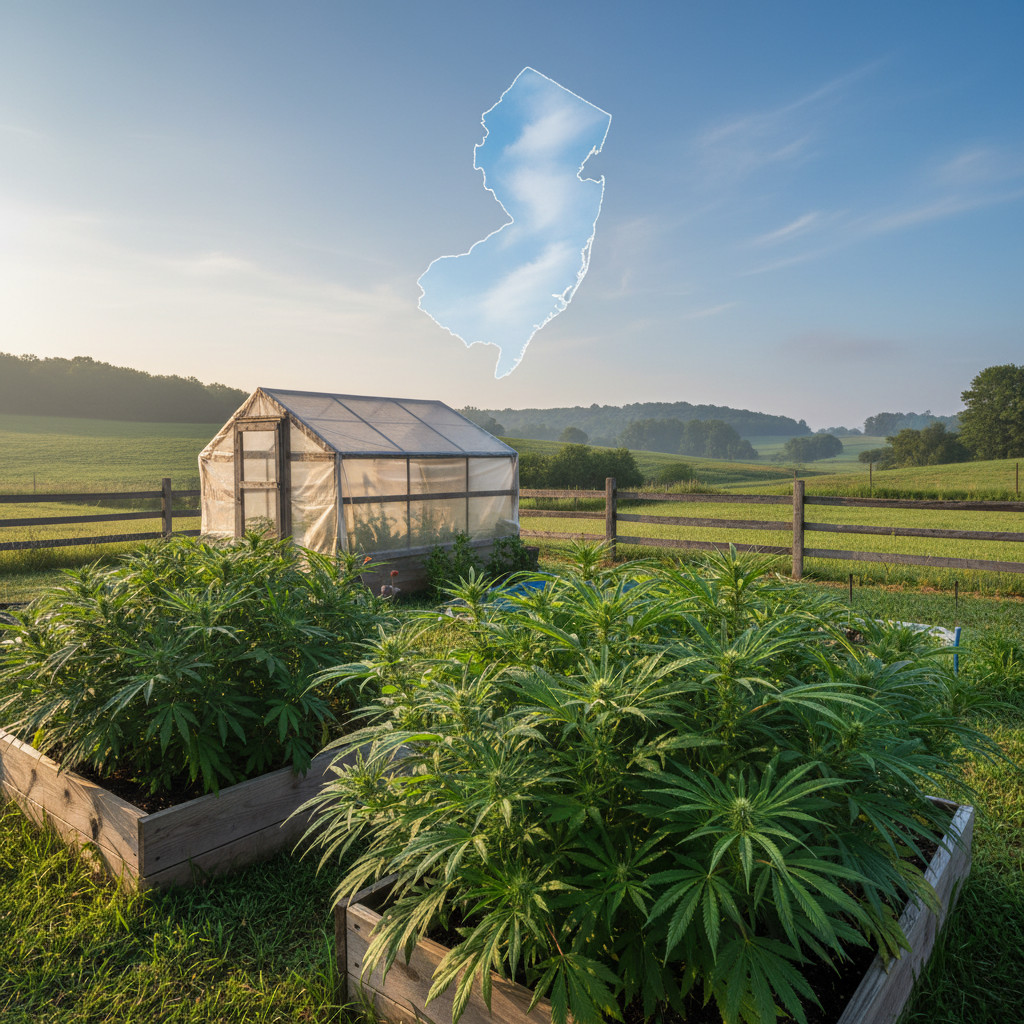
Cultivation techniques and challenges for New Jersey cannabis cultivation
New Jersey offers varied microclimates from coastal zones to inland suburbs. Therefore growers must choose techniques that match local weather and market needs. Because seasons swing from hot humid summers to cold winters, strategy matters for both hobbyists and commercial operators.
Indoor versus outdoor at a glance
-
Indoor cultivation
- Pros: complete environment control and consistent terpene expression.
- Cons: high energy costs and larger capital outlay.
- Use when you need precise SOPs, multi genetics, or GMP ready workflows.
-
Outdoor cultivation
- Pros: lower operating costs and natural sunlight for robust buds.
- Cons: weather exposure, pests, and variable cannabinoid profiles.
- Best for cultivars adapted to regional conditions and small craft grows.
Soil, climate, and plant health considerations
- Soil and pH: Aim for loamy, well drained soil with pH 6.0 to 6.8.
- Drainage and amendments: Add compost and perlite to improve structure.
- Humidity control: Manage humidity to reduce powdery mildew and bud rot.
- Pest and disease pressure: Scout weekly, because early detection prevents losses.
- Seasonal pruning: Train canopies before summer storms to avoid wind damage.
Sustainable practices and techniques
- Water conservation: Install drip irrigation and use rain barrels to save water.
- Integrated pest management: Use biological controls and companion planting.
- Energy efficiency: Choose LED lighting and variable speed fans indoors.
- Genetic preservation: Consider tissue culture or cryo options to save genetics.
Growers in New Jersey must adapt and experiment. Moreover focusing on terpene driven cultivation and sound SOPs helps differentiate product. As a result, thoughtful technique and sustainable choices will improve yields and market value.
Strains for New Jersey cannabis cultivation
Choose strains that suit regional weather and market demand. Because New Jersey has humid summers, pick mildew resistant genetics. However, terpene profile also matters for product differentiation.
| Strain | Type | Flowering time | Yield potential |
|---|---|---|---|
| Blue Dream | Sativa dominant hybrid | 8 to 10 weeks | High to very high |
| Girl Scout Cookies | Hybrid | 8 to 9 weeks | Moderate to high |
| Northern Lights | Indica | 7 to 8 weeks | Moderate |
| Sour Diesel | Sativa dominant hybrid | 9 to 11 weeks | Moderate |
| OG Kush | Hybrid | 8 to 10 weeks | Moderate to high |
Notes
- For coastal zones choose early finishing cultivars to avoid fall rain.
- For indoor grows prioritize stable phenotype and terpene retention.
- Preserve genetics through tissue culture or seed banking to protect diversity.
CONCLUSION
New Jersey cannabis cultivation sits at the intersection of fast growth and tight regulation. Because demand remains strong and supply lags, cultivators face both opportunity and pressure. The New Jersey Cannabis Regulatory Commission sets licensing, testing, and tracking rules that shape who can enter and scale. Therefore compliance, solid SOPs, and genetic preservation matter more than ever.
Practically, growers must choose between indoor control and outdoor cost savings. Moreover focusing on terpene expression, mildew resistant genetics, and sustainable practices can create a market edge. Export prospects exist, but they require GMP level discipline and strict testing. As a result, cultivators who invest in quality, traceability, and staff training will likely outlast price swings.
Frequently Asked Questions (FAQs)
Can I legally grow cannabis in New Jersey as a commercial operator or at home?
Adult-use legalization established a regulated market. Commercial growers must hold a license from the New Jersey Cannabis Regulatory Commission. Home cultivation has limits and conditions, so check local rules. Moreover municipalities may opt out.
How do I apply for a cultivation license in New Jersey?
Start by confirming municipal opt-in and available license types. Prepare security plans, standard operating procedures, and proof of financial fitness. Complete background checks and any social equity requirements. Finally submit during state application windows.
Which growing methods work best in New Jersey?
Indoor growing offers control over light, humidity, and terpene expression. Outdoor growing lowers costs but increases pest and weather risks. Greenhouses provide a hybrid option with energy savings. Therefore choose based on scale and product goals.
What compliance mistakes should growers avoid?
Failing seed-to-sale tracking leads to fines. Moreover poor testing prep can cause batch failures. Zoning and canopy cap violations create licensing risks. Train staff and document SOPs to reduce errors.
Why invest in genetics and terpene-driven cultivation?
Genetic preservation protects breeding gains and market differentiation. Tissue culture and seed banking reduce mother plant needs. Terpene focused grows command premium prices and repeat customers. As a result, growers can future-proof revenue.