Luxury Cannabis Branding: Crafting Aroma, Story, and Status
The rise of boutique flower and artisanal extracts has vaulted Luxury cannabis branding into mainstream attention. Luxury cannabis branding now shapes how connoisseurs and newcomers perceive products. Across dispensary counters, premium packaging and curated aroma profiles signal new expectations. Because consumers crave craft and provenance, brands borrow techniques from perfume and wine.
This article explores how sensory science, blending, terroir, and rigorous quality control build true luxury. Moreover, it argues that aroma micro-constituents matter as much as terpenes. Brands must combine data-driven product development with narrative heritage. In addition, retail design and trained budtenders influence perceived value.
Readers will learn practical approaches to position cannabis as a luxury category. We examine blending strategies, small-batch quality, and appellation-like storytelling. Therefore, you will see how craftsmanship turns aroma into status and loyalty. As a result, luxury cannabis can be durable, not just pricey. This introduction sets the stage.
Key Elements of Luxury cannabis branding
Luxury cannabis branding rests on craft, consistency, and sensory leadership. Because aroma and story drive perceived value, brands must refine aesthetics and science together. Moreover, luxury requires repeatable quality, thoughtful retail, and data-driven product development.
- Craft design aesthetics: use restrained palettes, premium materials, and tactile finishes to convey value.
- Narrative brand storytelling: build heritage, provenance, and rituals that invite loyalty.
- Packaging innovation: prioritize scent-proof, sustainable containers and unboxing theater.
- Sensory science and blending: optimize aroma families using micro-constituents alongside terpenes.
- Quality control and small-batch rigor: ensure consistency from harvest to shelf.
- Market positioning and pricing: set scarcity, distribution, and experience to match expectations.
Design aesthetics borrow from perfume and wine. For example, look to established luxury media for cues on visual hierarchy and copy tone. See Wine Spectator for inspiration on heritage signaling Wine Spectator. In addition, brands must use sensory research to support claims. For practical R&D guidance, UC Davis maintains resources on cannabis science at UC Davis Cannabis Science.
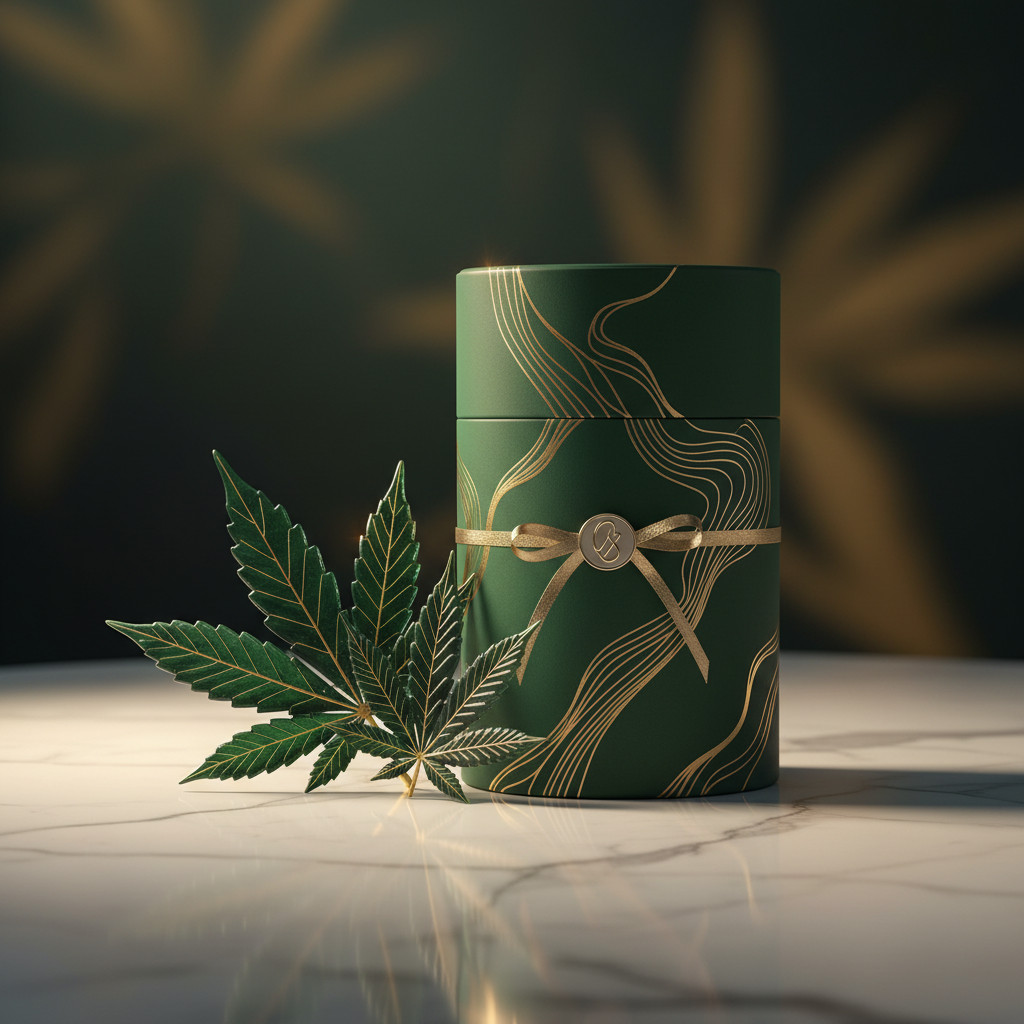
Packaging must protect aroma and signal premium status. Therefore designers choose matte foils, embossed logos, and sustainable liners. Retail experience also matters. Trained staff and curated displays create a luxury narrative, and media coverage shapes cultural meaning. For industry conversations about positioning and audience, High Times provides longform reporting at High Times.
Finally, luxury cannabis branding succeeds when craftsmanship meets discipline. Blend heritage, terroir, and sensory precision. As a result, brands convert aroma into status and lasting loyalty.
Comparison Table: Luxury cannabis branding — Brand features
Below is a comparison of top luxury cannabis brands and their signature branding features. Use this table to see how packaging, storytelling, and pricing differentiate each brand. Therefore, these examples show diverse paths to perceived luxury.
| Brand | Packaging design | Target audience | Brand story | Pricing strategy |
|---|---|---|---|---|
| Canndescent | Minimal white cylinders, matte labels, scent proof tubes | Urban professionals, lifestyle buyers | Curated lifestyle brand focused on mood-based strains | Premium per gram, selective retail distribution |
| Cookies | Bold branded tins, colorful artwork, collectible packaging | Younger connoisseurs, streetwear culture | Founder-driven legacy from San Francisco to global street culture | Mid to high premium, volume-focused drops |
| Houseplant | Sleek minimalist boxes, warm earth tones, jarred flower | Design-minded consumers, mainstream cannabis users | Snoop Dogg co-founded Houseplant as lifestyle brand | Upper mid pricing, lifestyle positioning |
| Lowell Farms | Apothecary inspired glass jars, recycled materials | Eco conscious consumers, boutique shoppers | California farm to shelf, small batch narrative | Premium small batch pricing |
| Willie’s Reserve | Rustic craft jars, handwritten labels, cloth wraps | Heritage seekers, Americana audience | Farm to table ethos tied to Willie Nelson persona | Mid premium, value via story |
| Jetty Extracts | Medical grade tubes, clinical minimalist design | Extract connoisseurs, wellness buyers | Lab driven purity and solventless focus | High price per gram, concentrate specialist |
Market Trends and Consumer Behavior
Market Trends Shaping Luxury cannabis branding
The legal cannabis market is growing fast. New Frontier Data projects the U.S. market will reach $41.5 billion by 2025, driven by premium demand. See the projection at New Frontier Data.
New Frontier Data also identifies distinct consumer archetypes, including Savvy Connoisseurs who prefer premium products. Read the archetypes report at New Frontier Data. Therefore, brands now target differentiated segments with tailored products.
Lifestyle branding and celebrity partnerships accelerate premium positioning. Moreover, media coverage shows high-end brands shaping cultural cachet. For an industry perspective see Blunt Lifestyle.
Authenticity and provenance are critical. Consumers expect traceability and farm to shelf stories. As a result, regional claims like Emerald Triangle terroir gain marketing weight.
Packaging and unboxing influence purchase decisions. New Frontier Data finds design impacts spending and brand perception. Full study at New Frontier Data. Therefore, premium materials and scent-proof containers create tangible value.
Key implications for brands
- Invest in sensory science and blending to deliver repeatable aroma profiles.
- Build transparent provenance systems because authenticity drives trust.
- Design retail and packaging experiences that signal scarcity and craftsmanship.
Consequently, the intersection of rising demand, lifestyle storytelling, and product rigor defines modern luxury cannabis branding. Brands must act now quickly.
Conclusion
Luxury cannabis branding requires more than a high price. It requires sensory precision, disciplined quality control, and purposeful storytelling. Because aroma micro-constituents shape user experience, blending and sensory science matter as much as visual design. In addition, packaging, retail experience, and provenance reinforce perceived value.
Strategic branding wins premium market share by aligning product, story, and place. Therefore, brands that deliver repeatable aroma profiles and transparent provenance build consumer trust. Moreover, thoughtful retail design and trained staff turn curiosity into loyalty. As a result, brands achieve durable positioning, not fleeting hype.
Frequently Asked Questions (FAQs)
What is Luxury cannabis branding and why does it matter?
Luxury cannabis branding refers to the strategic use of sensory science, design, and storytelling to position cannabis as a premium product. It matters because consumers pay for perceived quality, provenance, and consistent aroma profiles. Moreover, blending and micro-constituents shape the sensory experience, so brands must invest in R&D and quality control. For practical research on cannabis science, see UC Davis.
How do packaging and design shape consumer perception?
Packaging sets expectations before the product is opened. Premium materials and scent-proof containers protect aroma. Moreover, unboxing theater creates shareable moments and reinforces lifestyle positioning. Industry studies link design to higher spend and loyalty, so prioritize quality packaging. See packaging studies at New Frontier Data.
Can small-batch blending and terroir create true luxury?
Yes. Blending delivers consistent, complex aroma profiles similar to perfume and wine. In addition, terroir and provenance create narratives that justify premium pricing. However, brands must back claims with traceability and lab data. Read industry commentary on luxury positioning at Blunt Lifestyle.
What role do retail and trained staff play in building luxury brands?
Retail design and experience shape the purchase context. Moreover, educated budtenders and cannabis sommeliers translate sensory profiles into stories. They guide pairing, dosage, and occasion use, which increases confidence.
How should brands measure success in luxury positioning?
Track repeat purchase rates, average order value, and lifetime value. Also monitor aroma consistency through sensory panels and lab analytics. Finally, measure brand equity via customer feedback and media coverage.