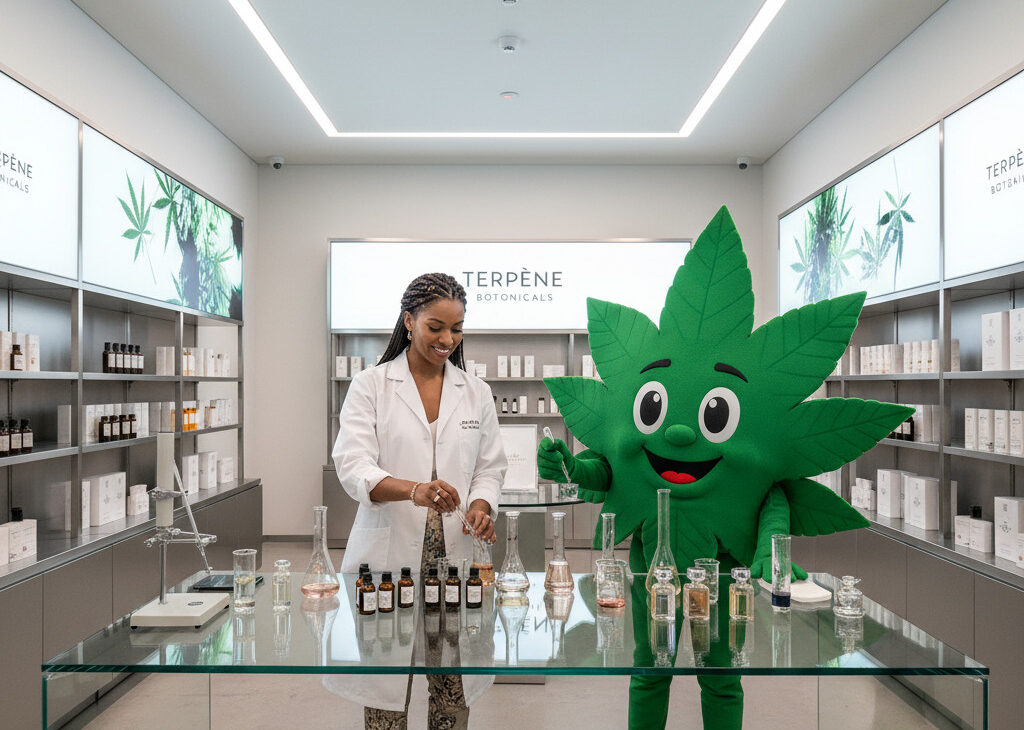
Luxury cannabis branding: Perfume science, terroir, and curated blends
Luxury cannabis branding sits at the intersection of craft, science, and storytelling. In a crowded market, premium identity separates lasting houses from fleeting trends. This article explores how perfume sensory science, terpene profiling, and blending create experiences that rise above commodity cues. We look at terroir, micro constituents, and sulfur-containing compounds that shape aroma. Because consistency earns trust, we also cover quality control and scalable blending methods.
Moreover, we examine heritage, regional identity, and the media narratives that build prestige. You will read practical steps for R&D, sensory segmentation, and small-batch craftsmanship. As a result, brands can move beyond THC percentages and celebrity affiliation. By marrying lab rigor with artisanal blending, cannabis can rival perfume and wine. Read on to learn how targeted terpene blends, storytelling, and design craft lasting luxury.
This piece also highlights examples like Emerald Triangle appellations and boutique blending labs. Finally, we offer frameworks for sensory-driven product development and branding strategies. Therefore, designers, cultivators, and marketers gain a roadmap to elevate offerings into true luxury. The goal is clear: earn elite status through consistency, craft, and credible cultural storytelling. Join us as we reimagine aroma, terroir, and the rituals that define cannabis culture.

Why Luxury cannabis branding Matters
Luxury cannabis branding shapes perception, purchase choice, and long-term value. Because consumers seek meaning, premium identity delivers ritual and trust. Therefore brands that invest in sensory science and storytelling gain an advantage. Moreover, blending and terroir can create unique aroma complexity that feels artisanal and rare.
Psychology of prestige
- Luxury cues reduce perceived risk and justify higher prices. As a result, buyers assign status to packaging, provenance, and consistent aroma profiles.
- Because scent triggers strong memory and emotion, terpene-driven narratives create loyalty quickly.
- Additionally, luxury positioning signals craft, expertise, and quality control, which matter to discerning consumers.
Market trends and expectations
- The market favors products that offer ritual and experience over commodity THC metrics. Consequently, brands shift from single-strain marketing to curated blends and small-batch releases.
- Meanwhile, regional identity matters more than ever. Research centers such as UC Davis study cannabis chemistry and terroir, supporting appellation-style claims here.
- Moreover, lifestyle and media channels now shape prestige. For context, wine and perfume prestige systems provide useful models here.
What consumers expect
- Clear provenance and transparent quality control
- Sensory consistency across batches through data-driven blending
- Elegant packaging and a coherent brand story
- Ritualized retail experiences and trustworthy budtenders
In practice, luxury branding requires disciplined R&D, meticulous quality control, and cultural storytelling. Therefore brands that combine blending expertise, sensory segmentation, and artisanal craftsmanship will meet evolving consumer demand. For further industry analysis, see reporting from Cannabis Industry Journal here.
| Brand Name | Branding Strategy | Target Market | Unique Selling Proposition |
|---|---|---|---|
| Dosist | Minimalist wellness design with clinical aesthetics | Wellness focused consumers and medical users | Precise dosing paired with sleek devices and science-forward messaging |
| Lord Jones | High-end confectionery design and premium retail placement | Affluent edible buyers and gifting customers | Gourmet formulations and designer packaging that feel luxurious |
| Canndescent | Curated “moods” and effect-based product lines | Urban professionals seeking consistent experiences | Consistency across batches with mood-driven collections |
| Lowell Herb Co | Artisanal farm-to-table storytelling and small-batch flower | Craft-minded consumers valuing provenance | Heritage narrative with sustainable cultivation practices |
| Kiva Confections | Culinary-first edible branding and chef collaborations | Consumers who prioritize quality edibles and chocolate | Gourmet taste profiles with reliable dosing and quality control |
| Houseplant | Design-led lifestyle brand with celebrity co-founder | Design-conscious enthusiasts and collectors | Lifestyle storytelling that pairs curated flower with premium accessories |
Strategies for Luxury cannabis branding
Effective luxury cannabis branding combines craft, science, and precise customer focus. Because markets reward ritual and consistency, brands must design every touchpoint carefully. Below are strategic areas with actionable tips and examples.
Packaging and visual design
- Use premium materials and restrained typography to signal heritage and quality.
- Consider tactile elements like embossed boxes and soft touch finishes to create ritual.
- Moreover, test unboxing with customers to refine perceived value and reveal moments.
Storytelling, provenance, and terroir
- Tell a clear origin story that links cultivar, farm, and method.
- As a result, consumers perceive authenticity and are willing to pay a premium.
- Use regional narratives similar to wine appellations to build prestige over time. For research on terroir and chemistry see UC Davis.
Sensory science, terpene profiling, and blending
- Invest in lab work that goes beyond total terpene percentages.
- Include micro constituents such as sulfur containing compounds to shape aroma accurately.
- Therefore create curated blends to ensure consistent sensory profiles across batches.
Digital presence and community
- Build a refined website that focuses on storytelling and sensory descriptors.
- Meanwhile, use email and content marketing to teach rituals and tasting notes.
- Partner with trusted media to cultivate cultural credibility. See industry analysis at Cannabis Industry Journal and wine prestige models at Wine Spectator.
Customer experience and retail
- Train staff to act as trusted advisors and sensory guides.
- Create ritualized sampling sessions and limited edition releases to drive scarcity.
- Moreover, match retail design to brand values for a cohesive experience.
Operational pillars
- Implement strict quality control and batch matching with data driven product development.
- Scale through artisanal blending rather than single strain commoditization.
- Finally, measure customer satisfaction and iterate on sensory segmentation.
Action checklist
- Define provenance and sensory promise
- Standardize blending for consistency
- Design premium packaging and unboxing rituals
- Train staff and document rituals
These strategies create durable luxury by linking sensory science, craft, and storytelling. Therefore brands can move beyond novelty and earn long term prestige.
CONCLUSION
Luxury cannabis branding depends on sensory rigor, consistent blending, and storytelling. Because aroma and terroir shape perception, brands must use terpene profiling and microconstituent analysis. Moreover, disciplined quality control and small-batch rituals build trust. As a result, luxury status becomes earned, not bought.
This article showed practical paths: adopt perfume lab methods, create curated blends, and craft provenance narratives. Therefore brands can move beyond THC and celebrity cues. Consumers expect transparency, reliable sensory profiles, and elevated retail rituals. In turn, these expectations raise barriers for bad actors.
MyCBDAdvisor exists to guide that transition. We publish research-driven, clear, and trustworthy analysis about CBD and cannabis. Moreover, we translate science into actionable branding and product development advice. Visit our site at MyCBDAdvisor to explore our reports and guides.
Frequently Asked Questions (FAQs)
What is luxury cannabis branding?
Luxury cannabis branding means crafting premium identity through sensory science, design, and storytelling. It blends terroir, curated terpene profiles, and quality control. Because it emphasizes ritual and consistency, it creates emotional value. Moreover, it separates premium houses from commodity sellers. Luxury cues also reduce buyer risk and support premium pricing.
How does terpene profiling affect luxury perception?
Terpene profiling defines aroma complexity and memory cues. True R&D looks beyond total terpene percentages to micro constituents. Therefore brands using detailed profiling produce reliable sensory narratives. As a result, consumers trust labeled sensory promises.
Can blending make a brand feel more premium?
Yes. Blending creates consistent sensory profiles across batches. It also supports scalability while preserving craft. For example, curated blends mimic perfume and wine practices. Consequently blending helps meet consumer expectations for reliably high quality.
What should consumers look for when buying luxury cannabis?
Look for clear provenance and transparent lab results. Prefer brands with batch matching and sensory descriptors. Also evaluate packaging, retail experience, and budtender knowledge. Finally, prioritize brands that document blending and quality control. Check for third party verification when possible.
How can a small brand start building luxury status?
Start with rigorous quality control and sensory testing. Next, craft a provenance story and refine packaging. Then offer limited runs and sensory education events. Finally, measure feedback and iterate on blends. Engage with local tastings to build word of mouth. These steps create credible, enduring luxury.