Women over 60 finding their place in cannabis
A soft revolution is happening in dispensaries and community rooms. Women over 60 finding their place in cannabis are arriving with purpose and questions. They seek relief, social connection, and safer products. As a result, they push designers and retailers to rethink packages and dose guides. Many face stigma and steep learning curves, however they bring decades of health wisdom. They worry about interactions with medicines and dosage, so access to clear education matters.
This article explores that shift and highlights real stories. Moreover, it explains how older women shape product design, policy, and community. You will read about entrepreneurs who build trust and networks. Because trust matters, women often lead with relationship based power and care. The tone is documentary and empowering, and it aims to guide readers. Finally, we invite curiosity and practical steps for older women and allies. Welcome.
Women over 60 finding their place in cannabis: why they choose cannabis
Older women are increasingly turning to cannabis for clear health and social reasons. Because interest has risen, clinics and retailers now see new needs. For example, past-year use among adults 65 and older rose from 2.4 percent in 2015 to 4.2 percent in 2018. See the study: here.
Many users report medical motivations. A review found pain, sleep, and anxiety as the top targets. Moreover, about 78 percent of older cannabis users said they used it for medical reasons. Read more: here.
A regional survey of Colorado seniors echoed those results. Participants cited arthritis, chronic pain, anxiety, and depression as reasons to use cannabis: here.
Why women cannabis users over 60 are drawn to cannabis
- Pain management and fewer prescription side effects. Therefore many seek alternatives to opioids and heavy pharmaceuticals.
- Improved sleep and reduced dependence on sleep aids.
- Anxiety relief and better mood regulation.
- Preference for natural approaches and greater focus on senior wellness and quality of life.
- Social connection and community inside dispensaries and peer groups.
- Demand for clear dosing, safer product design, and tar reduction innovations.
In short, cannabis benefits for seniors often combine symptom relief with social and practical needs. As a result, older women influence education, product design, and care models.
Quick comparison of common cannabis product types for women over 60
| Product type | Benefits | Ease of use | Potential side effects | Suitability for common concerns |
|---|---|---|---|---|
| CBD oil | Non-intoxicating pain relief and anti-inflammatory effects. Therefore it may reduce discomfort and swelling. | Taken sublingually with a dropper for precise dosing. | Dry mouth, lightheadedness, and possible interaction with medicines. | Good for arthritis, chronic pain, anxiety, and sleep support. |
| Edibles | Long lasting relief and discreet use. However onset is delayed by digestion. | Easy to consume but start with low milligrams and wait. | Overconsumption, drowsiness, and unpredictable onset timing. | Helpful for chronic pain, sleep problems, and appetite loss. |
| Tinctures | Fast sublingual absorption and precise microdosing. Therefore dose control improves safety. | Measured dropper makes dosing straightforward. | Mild sedation, dry mouth, possible dizziness at high doses. | Useful for anxiety, sleep, and moderate pain. |
| Topicals | Localized relief without systemic intoxication. Moreover they avoid cognitive effects. | Apply directly to the affected area as needed. | Skin irritation or allergic reaction for sensitive skin. | Best for localized arthritis, muscle soreness, and neuropathy. |
| Inhalation (smoking or vaping) | Immediate effects and easy titration for breakthrough symptoms. | Quick onset allows fast symptom control. | Respiratory irritation and cognitive impairment; smoking adds tar. | Good for acute pain or nausea, but use caution with lung issues. |
For dosing and drug interactions consult trusted sources such as the National Center for Complementary and Integrative Health at National Center for Complementary and Integrative Health.
Challenges and social acceptance
Stigma still shapes many women’s choices about cannabis. Because older generations experienced harsher drug messaging, women often hide use. A recent study found that many older adults reported concealing medicinal cannabis to avoid judgment. See the research: Research Article.
Legal concerns add another layer of worry. For example, conflicting state and federal laws can affect housing, employment, and benefits. Moreover, many seniors worry about interactions with prescriptions, and they may not tell their doctors. A large poll highlights that nearly half of older users had not discussed cannabis with their healthcare providers. Read more: Poll Details.
Accessibility remains practical and visible. Dispensaries can be physically difficult to enter, and labels sometimes use small fonts. Therefore older shoppers need clear dosing, lower-dose options, and products that reduce inhalation risks. As a result, product design and education must respond to senior mobility and sensory needs.
However social acceptance is changing. AARP reports rising use and shifting attitudes among adults aged 50 and older. As adoption grows, community norms soften and peer networks form. For details: AARP Report.
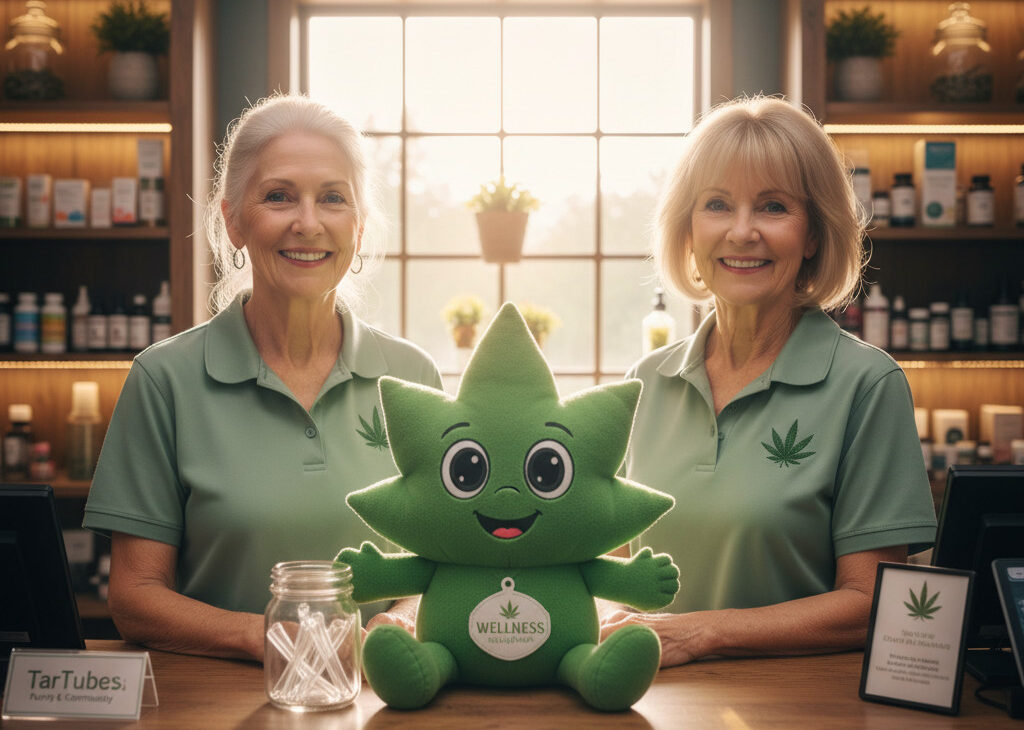
Stories of empowerment illustrate this change. For example, women entrepreneurs have launched products such as TarTubes and built trust inside local dispensaries. They teach practical harm reduction and create welcoming spaces. Thus leadership by older women accelerates senior cannabis adoption.
Still, stigma and policy gaps persist. Therefore advocates call for better education, clearer guidance, and inclusive design. Ultimately, advancing social acceptance will make safe access possible for more women over 60.
Conclusion: Women over 60 finding their place in cannabis
Women over 60 finding their place in cannabis is more than a trend. It reflects real shifts in health care, design, and community. Older women bring experience, care, and practical priorities to the table. As a result, they demand clearer dosing, safer products, and welcoming retail spaces.
This movement empowers women to manage pain, improve sleep, and reduce reliance on harsher medications. Moreover, women leaders build networks and businesses that model trust. However stigma and policy gaps still slow access for many. Therefore education and advocacy remain essential.
For reliable, research driven information on CBD, hemp, and cannabinoids, consult MyCBDAdvisor. The site offers transparent guides, studies, and product insights. Visit MyCBDAdvisor for practical resources and evidence backed education.
Finally, the future looks hopeful. As acceptance grows, older women will keep shaping how the industry serves health and community needs.
Frequently Asked Questions (FAQs)
Is cannabis safe for women over 60?
Short answer: often yes, with caution. Because research on older adults is growing, many women find relief from pain and sleep problems. However you should consult your healthcare provider first. Start with low doses and increase slowly. For general guidance see the National Center for Complementary and Integrative Health.
Will cannabis interact with my prescription medicines?
Yes it can. Cannabinoids may affect liver enzymes that change how drugs work. Therefore check with your doctor or pharmacist before starting cannabis. A review of older adult use highlights interaction concerns and the need for provider conversations: source.
Which product types work best for senior wellness?
Choose based on goals and safety. For example CBD oils and topicals avoid strong intoxication and help pain. Tinctures allow precise microdosing. Edibles give long relief but onset is slow. Inhalation works fast, however it risks respiratory irritation and tar exposure.
How can I handle stigma and find supportive community?
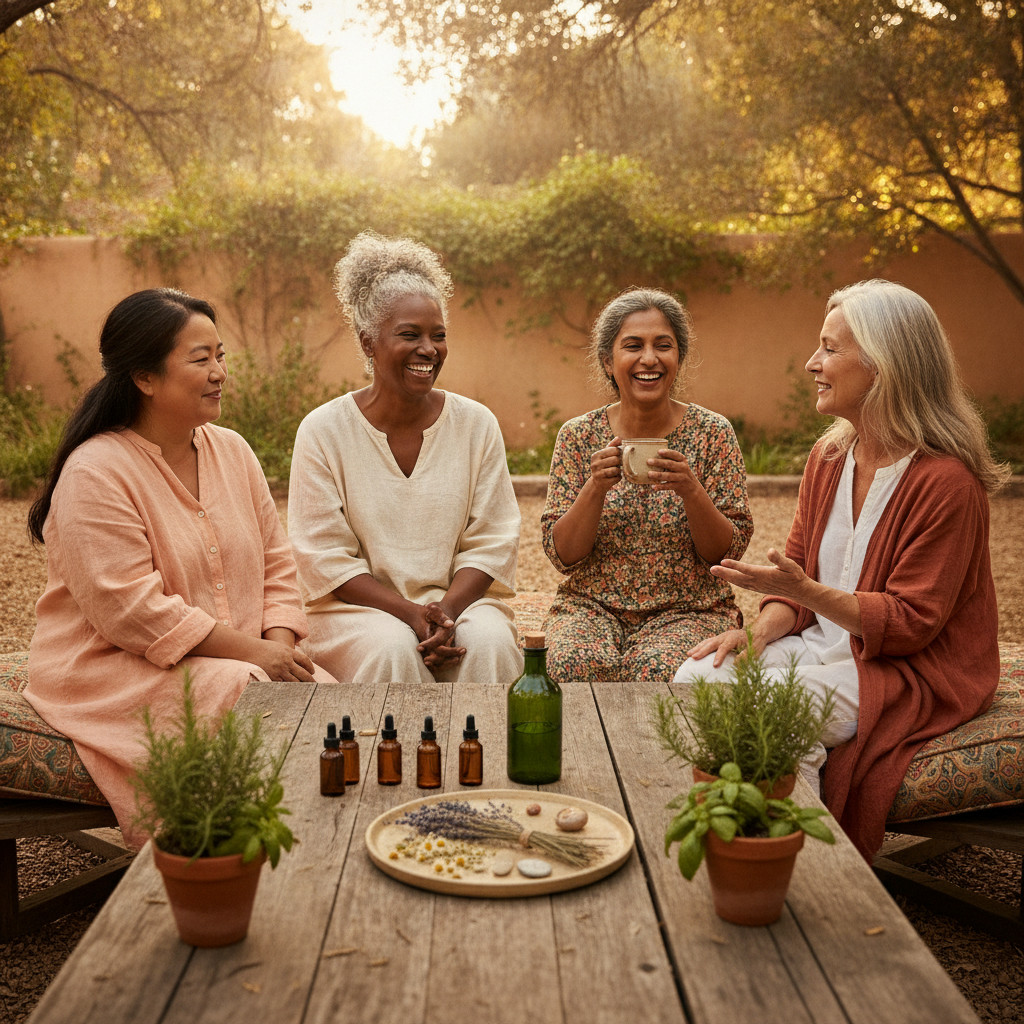
Start small and seek trusted spaces. Join local education events at dispensaries or groups like Women Empowered Cannabis Advocates Network. Moreover online resources and AARP articles can normalize senior cannabis adoption. See: source.
How should I begin dosing and stay safe?
Practice “start low, go slow.” Keep a symptom journal and note dose, timing, and effects. Avoid mixing alcohol or driving after use. Finally, involve your clinician and ask about interactions and monitoring.