Home Grow 101: Starting Your First 8 Plants | Practical Tips and Legal Considerations
Home Grow 101 equips new gardeners with practical steps to cultivate up to eight plants safely at home. In this guide you will learn legal basics, simple setup choices, and cultivation tips. Because laws differ by state, we emphasize compliance for Minnesota adults aged 21 and older, who may grow eight plants per residence. However, only four plants can be mature and flowering at once, so you will learn staggered grow methods.
We cover seed selection, including feminized and autoflower options, and why COAs matter for potency and safety. You will also get clear advice on indoor setups such as 4×4 grow tents, filtered water practices, organic potting mixes, and locked enclosed spaces to stay compliant. Finally, we share quick timelines, troubleshooting tips, and safety reminders so you can start confidently and responsibly. As a result you will know when to plant, how to harvest, and how to stay within local rules.
Understanding Home Grow 101 Basics
Home Grow 101 introduces the simple principles behind cultivating cannabis or hemp at home. Because many beginners worry about complexity, this section breaks down the essentials into clear steps. You will learn seed selection, basic equipment, and an easy growth cycle overview. Therefore you can start with confidence and follow legal limits such as the eight plant rule in Minnesota.
Choosing the right seeds and genetics
- Start with feminized seeds to reduce male plants and protect yield. For example the Simply Crafted Seed Collection offers 100 percent feminized seeds and COAs for transparency. Learn more
- If you want faster harvests choose autoflowers because they finish in about 75 to 90 days. This makes staggered grow schedules easier for beginners.
- Also consider cannabinoid and terpene profiles because they affect effects and flavor. Learn more about cannabinoid effects here.
Basic equipment you need
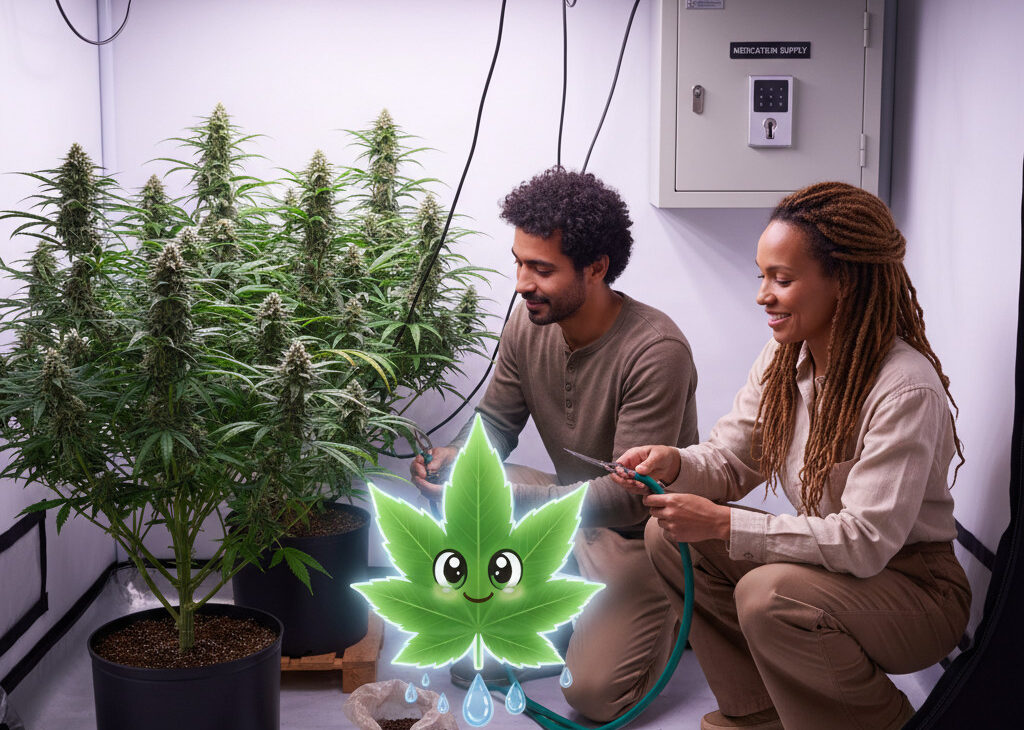
- A 4×4 grow tent or a locked enclosed space keeps plants out of public view and meets many regulations. Related keyword 4×4 grow tent is popular among Minneapolis growers.
- Grow lights with proper spectrum, ventilation fans, pots, organic potting mix, pH meter, and filtered water are essential. Let city water sit for 24 hours to dissipate chlorine.
- Also include safety gear and locks because Minnesota law requires an enclosed locked space. See the statute and Office of Cannabis Management for details.
Overview of the growth cycle
- Germination and seedling stage lasts about one to three weeks. First focus on gentle light and steady moisture.
- Vegetative stage follows and lasts several weeks depending on training and space. During this time plants grow leaves and stems rapidly.
- Flowering stage is when buds form. Remember only four mature flowering plants may be present at once under Minnesota rules.
In summary Home Grow 101 gives beginners a solid foundation in seeds, gear, and timing. However always follow local rules and grow responsibly.
| Seed Type | Growth Difficulty | Yield | THC/CBD Content | Recommended For Beginners |
|---|---|---|---|---|
| Regular (Heirloom) | Moderate to hard; requires sexing | Variable; potential high yield | Varies by strain; THC and CBD possible | Not ideal for beginners; requires plant sexing |
| Feminized | Easy to moderate; fewer males | Reliable medium to high | Varies; choose THC or CBD-dominant varieties | Recommended; reduces risk of males and wasted space |
| Autoflower | Easy; fast lifecycle | Moderate per cycle; multiple harvests yearly | Varies; often lower THC than some photoperiods | Very beginner-friendly; harvest in 75–90 days |
| Photoperiod Hybrid | Moderate; needs light control | High with training and care | Balanced THC/CBD options across strains | Good for growers who want control over veg time |
| Hemp High-CBD | Easy to moderate; legal compliant seeds | Moderate; bred for fiber or CBD | Low THC; high CBD when labeled as hemp | Recommended for CBD-focused beginners and legal compliance |
Tip: choose 100% feminized seeds when possible and check COAs for potency and purity. Also consider autoflowers for staggered grows and quicker cycles.
Environmental Factors for Home Grow 101
Healthy plants need the right environment. In this section you will learn how lighting, temperature, humidity, and ventilation shape plant health and yield. Because these factors interact, managing them together gives the best results.
Lighting
- Use full spectrum LED lights for both veg and flower stages. LEDs run cool and save electricity. Therefore they fit small indoor setups like a 4×4 grow tent.
- Light distance matters. Keep LEDs 12 to 24 inches above plants, depending on power. Also adjust height as plants grow.
Temperature
- Aim for 70 to 85 degrees Fahrenheit during the day. Night temperatures should be 5 to 10 degrees lower.
- Extreme heat reduces bud density and lowers yield. Conversely too-cold nights slow growth.
Humidity
- Seedlings prefer 60 to 70 percent relative humidity. Vegetative plants do best at 40 to 70 percent. Flowering plants require 40 to 50 percent.
- High humidity raises mold risk during late flower. Therefore lower humidity before harvest.
Ventilation and Airflow
- Provide steady airflow with intake and exhaust fans. This controls temperature and humidity. Good airflow also strengthens stems.
- Use carbon filters if odor control is necessary to stay discreet and compliant.
Practical tips and resources
- Monitor conditions with a digital hygrometer and thermometer. Check readings daily and log changes.
- For local guidance, see the University of Minnesota extension and Colorado State extension.
- When choosing strains, consider popularity and adaptability; read strain trends here Snoop Dogg’s Favorite Strain.
Image idea: a clear photo of a 4×4 grow tent interior showing the LED light, ducted exhaust, clip fan, and a digital hygrometer-thermometer.
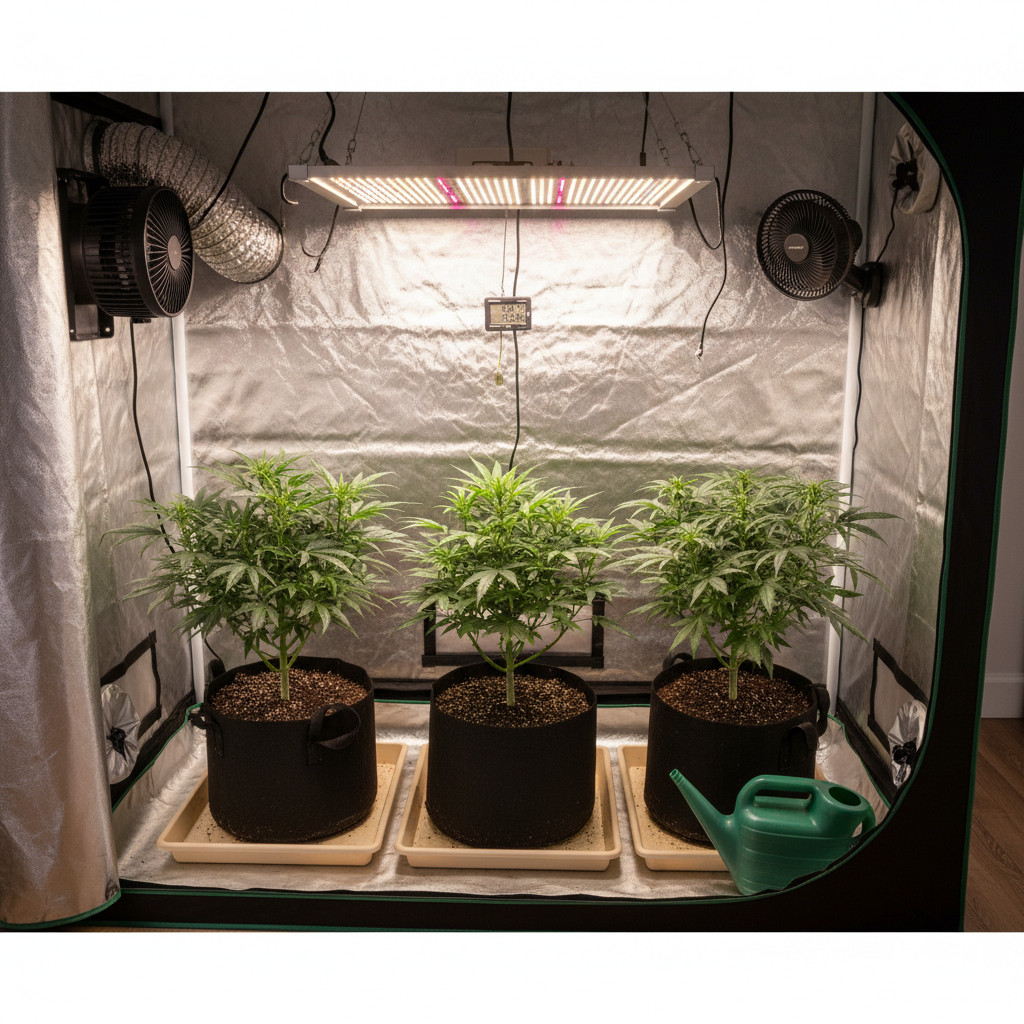
Related keywords: grow tent ventilation, LED grow lights, humidity control, temperature range, airflow, environmental control.
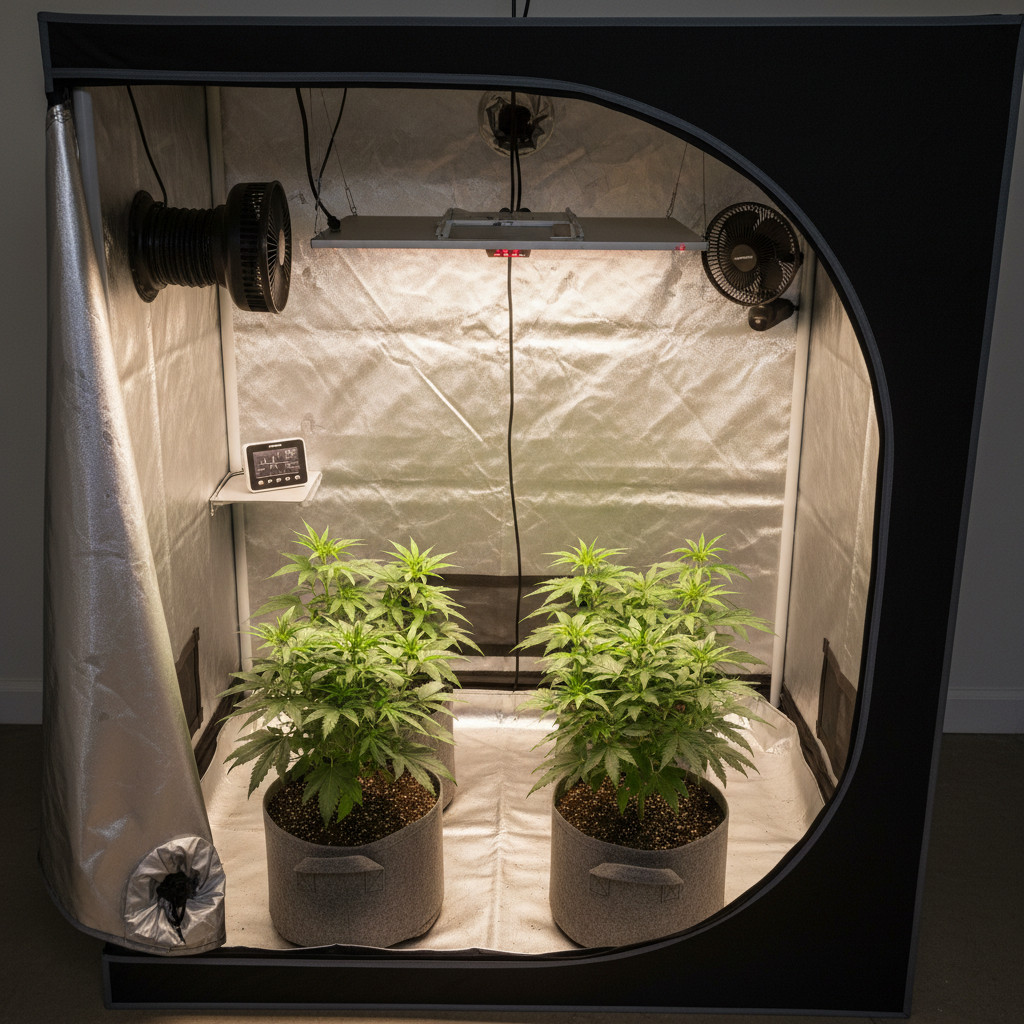
Image shows a clean 4×4 grow tent interior with a full spectrum LED panel, inline ducted exhaust, clip fan at canopy level, fabric pots with young plants, and a digital hygrometer-thermometer on a shelf. The visual aids readers in setting up lighting, ventilation, and temperature control without text overlays.
Conclusion
Home Grow 101 shows that starting a small home grow is both manageable and rewarding. We covered legal basics like the eight plant rule and the four mature plant limit. We also explained seed choices such as feminized seeds and autoflowers, and why COAs matter for quality. In addition we described essential gear, environmental control, and simple timelines.
With the right knowledge you can set up a compliant grow room quickly. For example a 4×4 grow tent, full spectrum LED, filtered water, and good ventilation give reliable results. Therefore beginners often find success using feminized seeds or autoflowers to stagger harvests. As a result you get steady yields and useful experience.
Finally, grow responsibly and keep safety first. Check local laws and lock your grow space to remain compliant. MyCBDAdvisor aims to provide clear, trustworthy advice so you can enjoy a calm and successful home grow journey.
Frequently Asked Questions (FAQs)
Is home growing legal for me?
In Minnesota adults 21 and older may grow up to eight plants per residence. However, only four plants can be mature and flowering at once. Also, the grow space must be enclosed, locked, and not open to public view. Therefore, confirm local rules and follow state statutes before you start.
What seeds should I choose as a beginner?
Choose feminized seeds to avoid male plants and protect yield. For faster cycles, pick autoflowers; they often finish in 75 to 90 days. If you prefer CBD, choose hemp high CBD seeds for lower THC levels. Finally, look for COAs and buy from trusted sources for quality assurance.
What common challenges will I face and how do I fix them?
Pests appear early; scout daily and use organic controls when possible. Mold and bud rot happen with high humidity; therefore, lower humidity in late flower. Nutrient burn shows leaf tips that brown; flush and reduce fertilizer strength. Yellow leaves can mean pH or nutrient issues; test pH and adjust slowly.
What basic equipment do I need to start?
A 4×4 grow tent or small locked room gives a controlled space. Full spectrum LED lights work for both veg and flower stages. An exhaust fan, carbon filter, and an oscillating fan control odor and airflow. Use fabric pots, organic potting mix, a pH meter, and a hygrometer. Also use filtered water; let city water sit 24 hours to dissipate chlorine.
How do I keep a healthy grow environment?
Maintain day temps around 70 to 85 degrees and nights 5 to 10 degrees lower. Seedlings need 60 to 70 percent humidity; flowering prefers 40 to 50 percent. Run intake and exhaust fans to keep air fresh and stems strong. Keep a light schedule such as 18 hours for veg and 12 for flower. Finally, log changes, inspect plants often, and stay within the eight plant limit.