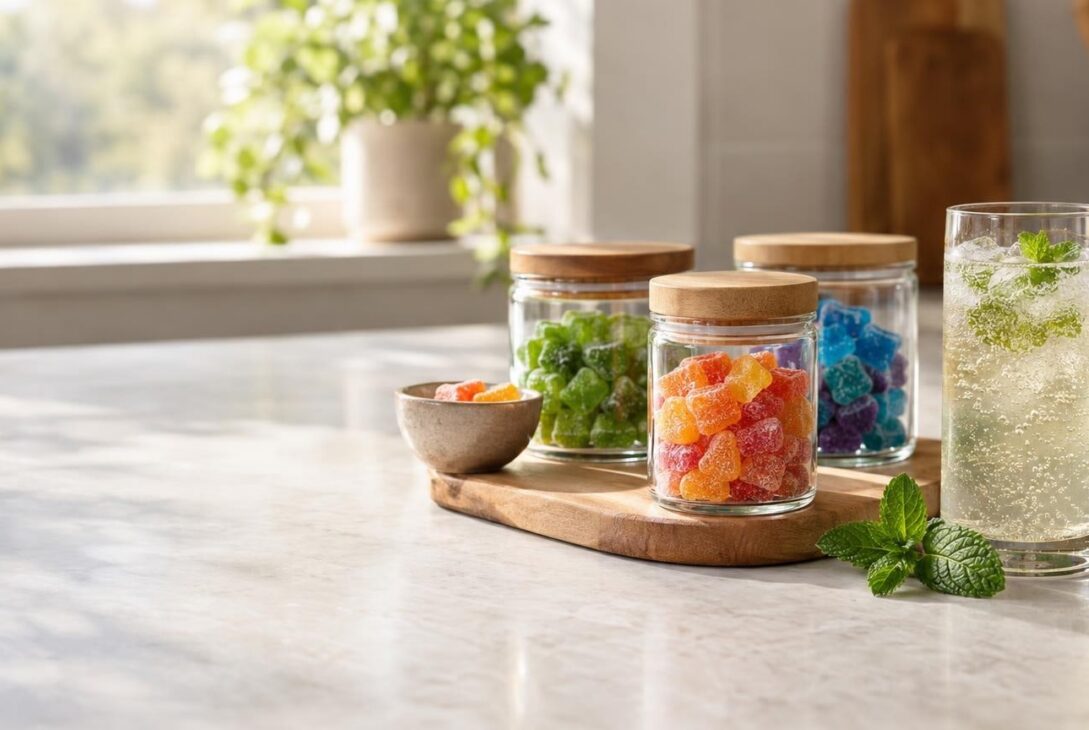
THC Beverages vs Edibles is a debate reshaping how consumers enjoy cannabis. Sales of infused drinks and snacks have surged across states. Many shoppers now ask which format fits their lifestyle and tolerance.
THC beverages especially seltzers use nano-emulsion tech, so effects appear faster. In Minnesota, beverage options exploded in 2026, making it a national hotspot. But edibles remain popular for controlled dosing and longer, steady relief.
Practically, beverages often kick in within 10 to 20 minutes and wear off sooner. Conversely, edibles take 45 to 90 minutes to start and can last four to six hours. Therefore, choice depends on timing, setting, and personal metabolism.
In this guide, we compare effects, dosing, and regional trends so readers can decide. We also outline Minnesota rules and how the Office of Cannabis Management shapes markets. Read on for practical tips, product highlights, and where to buy locally.
Whether you prefer to sip or snack, safety matters. Start low and wait longer before re-dosing.
THC Beverages vs Edibles?
THC beverages use nano-emulsion and often take 10 to 20 minutes to onset, offering faster, shorter effects. Edibles typically begin in 45 to 90 minutes and last four to six hours, providing steadier relief. Therefore, choose beverages for quick social dosing and edibles for longer, predictable sessions.
Onset and Duration Differences
THC Beverages vs Edibles Timing
THC beverages reach the bloodstream faster because nano-emulsion breaks THC into tiny droplets. As a result, most users feel effects within 10 to 20 minutes. Research on THC-infused beverage absorption supports this faster onset and shorter peak than traditional edibles THC-infused beverages absorption study.
In contrast, edibles pass through digestion and liver metabolism, so effects appear slowly. Typically, edibles begin in 45 to 90 minutes and deliver steady relief. Therefore, edibles often produce effects that last four to six hours. For official guidance on onset and duration, see Washington state’s resource cannabis product onset guidance.
Quick comparison
- THC beverages: onset 10 to 20 minutes; typical Minnesota cans are 5 to 10 mg; duration usually one to three hours; ideal for social or short sessions.
- Edibles: onset 45 to 90 minutes; many products use 10 mg per serving under Minnesota law; duration typically four to six hours; best for longer, predictable effects.
- Timing modifiers: stomach contents, individual metabolism, tolerance and re-dosing change onset and length.
Regional trends and policy shape availability and choice. See a regional market growth analysis for context regional market growth analysis, review intoxicating hemp policy impacts intoxicating hemp product bans, and read about legacy branding in cannabis markets legacy branding in cannabis markets.
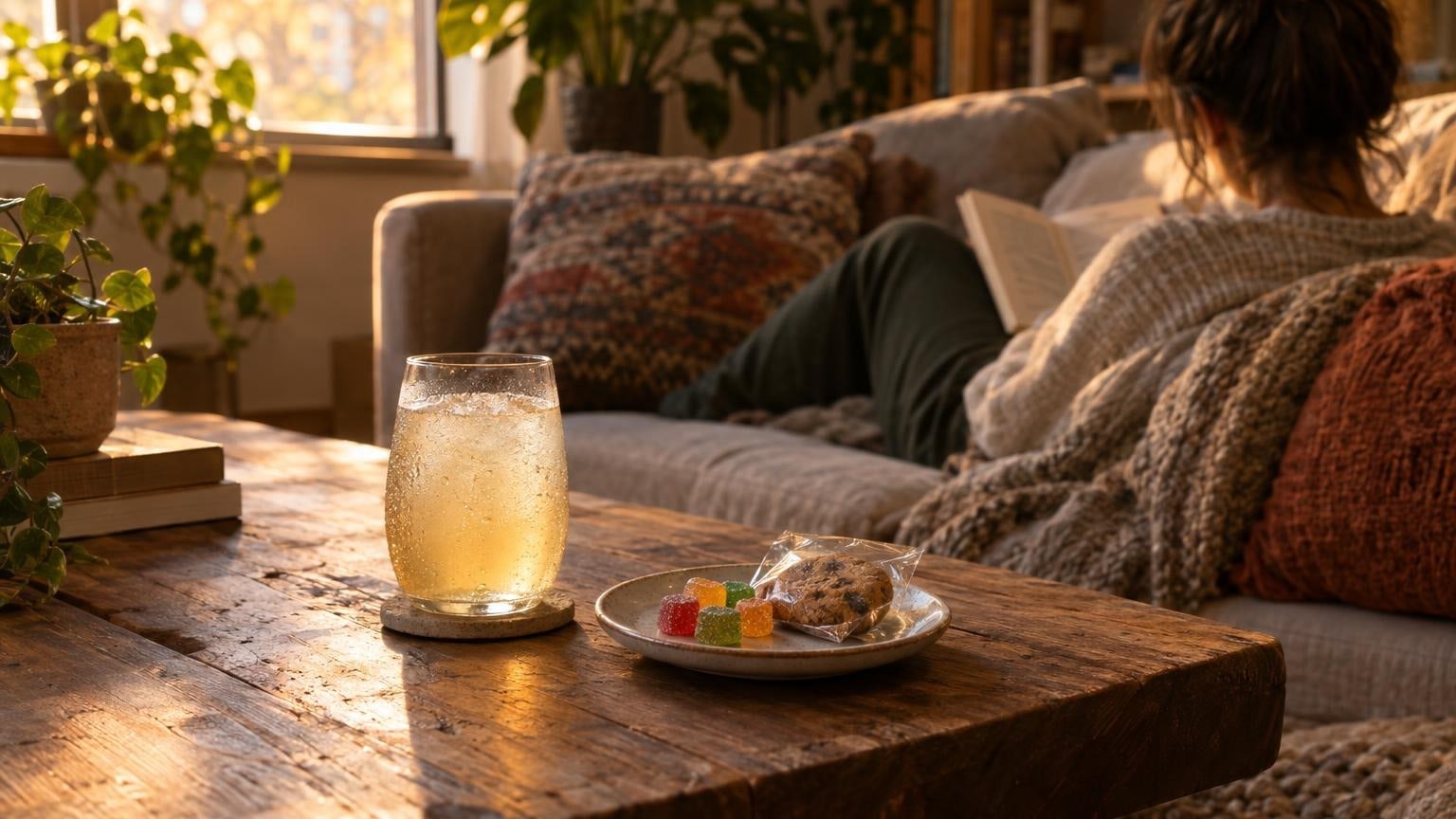
Effects and User Experience
THC Beverages vs Edibles user experience
Users report noticeably different effects between THC beverages and edibles. Beverages often deliver a quicker, lighter peak. As a result, many choose drinks for social settings and microdosing. By contrast, edibles produce a slower, more prolonged effect. Therefore, edibles suit longer sessions or sleep support.
Typical subjective differences
- Onset and peak: Beverages usually start in 10 to 20 minutes. Edibles often begin in 45 to 90 minutes. Consequently, beverages feel faster and more controllable.
- Intensity and duration: Beverages tend to peak sooner and fade within one to three hours. Edibles usually last four to six hours and include a longer peak.
- Body versus head effects: Edibles can produce stronger body sensations, because of liver metabolism. Conversely, beverages may give a clearer, lighter head high.
- Dosing predictability: Beverages with nano-emulsion can give consistent onset, but metabolism still varies. Edibles vary more between users, as digestion affects absorption.
Safety and user tips
- Start low and wait: Wait at least 90 minutes before re-dosing an edible. For beverages, wait 30 to 60 minutes.
- Consider tolerance and food: Eating slows onset and can lengthen effects. Therefore, plan portion size accordingly.
For authoritative context on marijuana effects see the National Institute on Drug Abuse. Also review onset guidance from Washington state regulators.
Comparison of THC Beverages vs Edibles
| Feature | THC Beverages | Edibles |
|---|---|---|
| Onset time | 10–20 minutes (nano-emulsion) | 45–90 minutes (digestive metabolism) |
| Typical duration | 1–3 hours | 4–6 hours |
| Typical dosage | Most Minnesota seltzers 5–10 mg per can; single-serving often 5–10 mg | Commonly 10 mg per serving; packages up to 100 mg under MN law |
| Typical effects | Faster, lighter head high; quicker peak and fade | Slower onset with stronger body effects and longer peak |
| Dosing control | Easier microdosing; faster feedback; re-dose after 30–60 minutes | Harder to judge; wait at least 90 minutes before re-dosing |
| Ideal use case | Social dosing, short sessions, microdosing | Extended relaxation, sleep support, consistent long relief |
| Onset modifiers | Empty stomach, alcohol, tolerance affect speed | Recent meal, metabolism, liver conversion increase onset time |
| Regulatory notes | Keep in original child-resistant packaging; private property consumption | Same packaging rules; MN limits servings and package totals |
Brief note: Choose drinks for fast, controllable effects. However, select edibles for longer, predictable relief.
Health and Safety Considerations
THC Beverages vs Edibles pose different safety profiles, so users must choose carefully. Beverages act faster, so they can lead to quick re-dosing mistakes. Conversely, edibles delay onset, and therefore users may unintentionally consume too much.
Key safety tips
- Start low and go slow: Begin with the lowest labeled dose and wait before re-dosing. For edibles, wait at least 90 minutes; for beverages, wait 30 to 60 minutes.
- Watch for side effects: Common reactions include dizziness, anxiety, nausea, and increased heart rate; seek help if symptoms persist.
- Avoid mixing with alcohol or sedatives because combinations can intensify impairment.
- Keep out of reach: Store products in original child-resistant packaging and away from pets and children.
- Know legal limits: Minnesota allows up to 10 mg per serving and 100 mg per package for many products, so check labels before use.
Who should avoid or be cautious
- Pregnant or breastfeeding people and those with heart conditions should avoid cannabis use.
- People on certain medications should consult a clinician because interactions can occur.
For evidence-based guidance see the CDC marijuana public health information and a summary of marijuana health effects.
Conclusion
THC Beverages vs Edibles remain the core choice for many cannabis consumers today. THC beverages act faster, often within 10 to 20 minutes. Edibles usually take 45 to 90 minutes to begin and last longer.
Choose beverages when you want quick, social dosing and easier microdosing. Alternatively, pick edibles for steady relief and longer, deeper body effects. Moreover, dosing rules like Minnesota’s 10 mg per serving matter for safety.
Always start low and wait before re-dosing to avoid overconsumption. Keep products in original child-resistant packaging and out of children’s reach. Finally, weigh your tolerance, schedule, and intended experience before you buy.