Chicago intoxicating hemp products ban: What it means for Chicago consumers and businesses
The Chicago intoxicating hemp products ban marks a sharp shift in local cannabis policy. The City Council passed the ordinance with a liquor-license carve-out for THC-infused beverages. Because the rules take effect April 1, brands must move fast.
Why this ban matters
The ordinance imposes stricter packaging restrictions and forbids marketing that could appeal to children. As a result, retailers face higher compliance costs and altered product placement. Additionally, the law preserves protections for hemp-derived topical creams while limiting other hemp-derived additives.
Who feels the impact
Consumers may find fewer hemp products on local shelves and clearer labeling. However, bars and restaurants holding liquor licenses can still offer certain THC-infused beverages. Meanwhile, small shops and newer brands must rethink their product mixes and legal plans.
This introduction frames the key issues ahead. The article will explain the carve-out, review enforcement and the potential Mayor Brandon Johnson veto. Finally, we will outline practical steps for Chicago businesses to stay compliant.
Background and legal details
Chicago’s move stems from fast growth in unregulated hemp products. The City Council passed the ordinance in January 2026. Because officials cited youth exposure and inconsistent testing, they pushed for a city-level ban. The law takes effect April 1, 2026. For reporting on the ordinance and specifics, see the Chicago Sun-Times.
Chicago intoxicating hemp products ban: why city leaders acted
Alderman Marty Quinn led the effort, arguing the products reached minors and lacked proper oversight. As a result, Council members prioritized consumer safety. Moreover, the ordinance limits products that can contain hemp-derived THC. Mayor Brandon Johnson voiced worry about small businesses and possible unintended effects. He said, “I’m going to have conversations with a number of members of the City Council. We don’t want to exclude small businesses from participating in the economy.” Block Club Chicago and local outlets covered his comments.
What products are affected and what is exempt
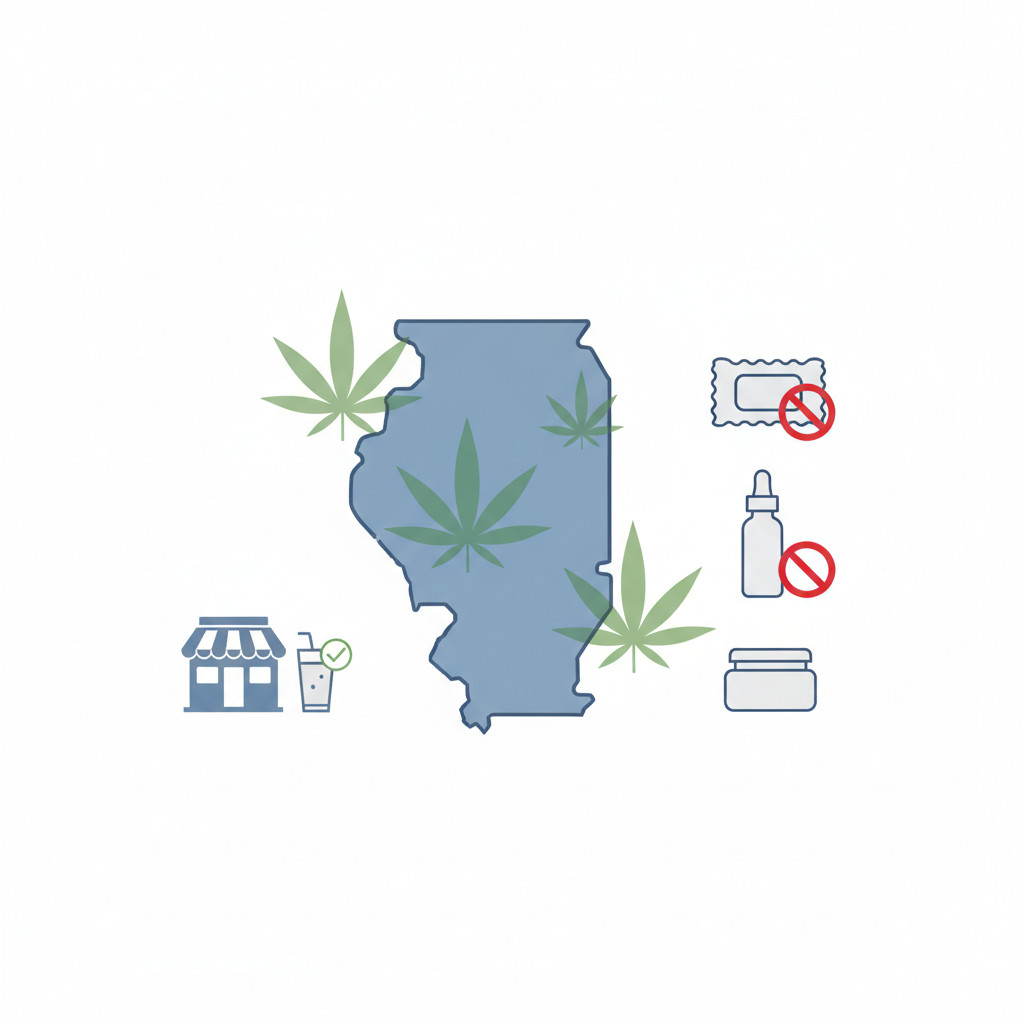
The ban covers most intoxicating hemp products such as edibles, gummies, vapes, tinctures, and many hemp-derived additives. However, the ordinance expressly protects hemp-derived topical creams. In addition, the law creates a carve-out. Bars and restaurants that hold liquor licenses may sell THC-infused beverages. Those drinks are limited to 10 milligrams of THC per 12 fluid ounces, according to the ordinance reporting: Chicago Sun-Times.
Legal context and federal interaction
This municipal ban arrives amid national changes. A federal spending bill passed late last year will ban most hemp-derived cannabinoids nationwide. That federal ban takes effect in November 2026. Consequently, Chicago businesses face overlapping rules and a narrowing legal window: AP News.
Enforcement, penalties and immediate implications
The ordinance includes stricter packaging rules and marketing limits to prevent youth appeal. It also imposes civil fines for violations and steps for enforcement. Because the measure could change market access, retailers must reassess product lines and compliance plans. For small shops and neighborhood retailers, this change may be especially consequential. For a focused look at the potential impact on local stores, see this analysis: My CBD Advisor.
Together, these background points explain why Chicago moved quickly. They also show how local, state, and federal rules now converge to reshape the hemp product market.
Chicago intoxicating hemp products ban: Before vs After
| Aspect | Before the ban | After the ban |
|---|---|---|
| Legal status | – Mostly legal under state hemp rules. – Limited local regulation. |
– Citywide prohibition of intoxicating hemp sales. – Effective April 1, 2026. |
| Product availability | – Wide range: edibles, vapes, tinctures, gummies. – Topicals widely sold. |
– Most edibles, vapes, tinctures removed from market. – Topical creams remain permitted. |
| Sales restrictions | – Standard age checks when enforced. – Few uniform labeling rules. |
– Sales broadly prohibited for intoxicating hemp products. – THC beverages allowed only in liquor-license venues. |
| Packaging and marketing | – Varied packaging standards. – Some products used child-friendly designs. |
– Stricter packaging rules enforced. – Marketing to children expressly banned. |
| Exemptions and carve-outs | – No specific carve-out for bars and restaurants. | – Liquor-license carve-out permits THC-infused beverages with limits (for example, 10 mg per 12 fl oz). – Topicals protected. |
| Enforcement and penalties | – Patchwork enforcement across retailers. | – Civil fines and enforcement steps added. – Compliance inspections expected. |
| Business impact | – Small shops and startups could sell freely. | – Retailers must reassess inventory and compliance plans. – Bars and restaurants gain limited new product options. |
Consumer reactions to the Chicago intoxicating hemp products ban
Consumers have mixed views about the ordinance. Some parents welcomed the change because they fear youth exposure. Other customers said they feel frustrated by losing access to edibles and vapes. A small survey of local shoppers reported more than half want clearer testing and labeling, although data remain limited. For reporting and local reaction, see the Chicago Sun-Times.
Retailer and small business responses
- Independent shops
- Many face immediate inventory disruption.
- As a result, owners plan to shift to topical and legal CBD items.
- Because compliance costs rise, margins could shrink.
- Bars and restaurants
- Some operators welcomed the liquor-license carve-out.
- Therefore, they see a new revenue chance with THC beverages.
- However, strict marketing rules will limit creative promotion.
Industry stakeholders and expert viewpoints
- Elected officials
- Alderman Marty Quinn championed the ban, citing safety concerns.
- Meanwhile, Mayor Brandon Johnson urged caution, saying he will consult peers before deciding on a veto. Block Club Chicago covered his remarks: Block Club Chicago.
- Public health experts
- Many argue the move reduces youth-facing products.
- Additionally, they call for consistent testing standards across states.
- Trade groups and brands
- Industry voices warn of lost market access and legal uncertainty.
- They point to the pending federal rule changes as compounding the problem. See AP reporting on federal action: AP News.
What consumers and businesses say they need next
- Clear compliance guidance from the city.
- Affordable testing and labeling support for small brands.
- A smooth transition window to adjust inventory and contracts.
Overall, reactions are split. Consumers and public health advocates cite safety gains. Conversely, retailers and brands stress economic pain and legal uncertainty. Because the ban takes effect April 1, businesses must act quickly to adapt.
CONCLUSION
Chicago’s new ordinance signals a major policy shift for local hemp markets. The Chicago intoxicating hemp products ban narrows product availability and raises compliance demands. Because the law takes effect April 1, retailers and brands face a short window to adjust inventory and labeling.
Regulatory change now comes from multiple directions. Locally, the City Council banned most intoxicating hemp products while carving out THC beverages for liquor-license venues. Meanwhile, federal action is set to further tighten rules nationwide later this year. As a result, businesses must track city and federal updates closely and prepare for layered enforcement and civil penalties.
For businesses and consumers, practical steps will reduce risk. Start by auditing current products and suppliers. Then, update packaging and marketing to meet new standards. Finally, seek clear compliance guidance and testing support to avoid fines.
Frequently Asked Questions (FAQs)
FAQs on the Chicago intoxicating hemp products ban
What does the ban actually do?
The ordinance prohibits the retail sale of most intoxicating hemp products in Chicago. However, it carves out THC-infused beverages for venues with liquor licenses. Additionally, topical hemp creams remain legal. For details on the ordinance text and effective dates, see reporting from the Chicago Sun-Times: Chicago Sun-Times.
Who will feel the impact most?
Independent retailers and newer hemp brands face the biggest disruption. Bars and restaurants may gain a narrow new product line. Meanwhile, consumers who used edibles and vapes will see reduced availability.
What are the legal consequences for noncompliance?
The city will impose civil fines and possible enforcement actions. Because the ordinance adds packaging and marketing limits, violations can trigger penalties. Also, federal rules may further restrict hemp-derived cannabinoids later in 2026: AP News.
What alternatives do businesses and consumers have?
Stores can shift to permitted topical creams and compliant CBD products. Bars can explore regulated THC beverages under the liquor-license carve-out. For guidance on adjusting inventory, see analysis at MyCBDAdvisor: MyCBDAdvisor.
How should stakeholders prepare for future rules?
Monitor local and federal rulemaking closely. Therefore, businesses should audit supply chains and update labeling. Finally, seek legal and compliance advice early to reduce risk.