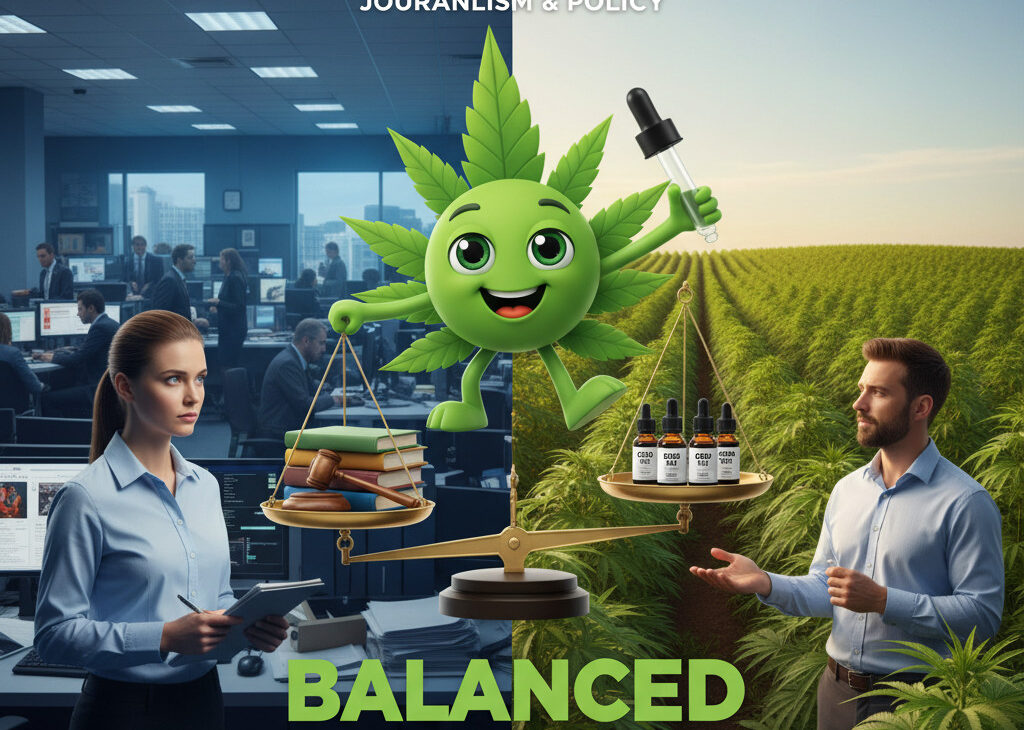
New York Times cannabis problem with weed
The phrase New York Times cannabis problem with weed has sparked heated debate among policymakers and advocates. However, the controversy runs deeper than a headline. The Times has critiqued THC potency, accused industry players of irresponsible marketing, and pushed for stricter taxes and product bans.
Because readers deserve context, this article breaks down the reporting, the data, and the gaps in that coverage. We will analyze claims about THC potency increases since 1995, debates over delta-8 and delta-9, and the role of the California grey market. Moreover, we will examine how editorial framing can shape public opinion on cannabis legalization and responsible regulation.
The goal is not to dismiss real risks, but to expose bias and promote clear policy choices. Therefore, expect evidence, policy analysis, and practical recommendations for regulation, education, and harm reduction. As a result, readers can make informed decisions about legalization, public health, and the future of the cannabis industry.

New York Times cannabis problem with weed: main insights
The phrase captures more than a media quarrel. The Times raises concerns about potency, marketing, and regulation. However, its framing often amplifies risk without balanced context. Because readers need facts, examine three core insights below.
New York Times cannabis problem with weed: core claims
- THC potency has risen since 1995, from about 4 percent to much higher levels today. This point appears in Times reporting and shapes their policy calls (New York Times).
- The paper worries that industry marketing reaches new users, particularly youth. Yet critics argue the evidence for widespread targeting is mixed.
- Editorials push for higher federal taxes and product caps, such as a suggested 60 percent THC ban.
Social, legal, and cultural angles
Socially, the debate highlights public health concerns and stigma. Legally, policymakers face choices about taxation, bans, and grey markets. For example, California’s illicit market complicates regulation and enforcement. Culturally, the Times frames cannabis through cautionary narratives, sometimes invoking older “reefer madness” tropes.
Because balance matters, readers should compare Times pieces with independent data from industry reports like Leafly and peer reviewed studies. Therefore, policymakers can craft proportionate rules based on evidence and harm reduction. As a result, the discussion shifts from sensational headlines to practical solutions for regulation, education, and safe access. This scrutiny should lead to clearer, evidence based policy.
New York Times cannabis problem with weed: comparative viewpoints
Below is a concise comparison of perspectives in New York Times coverage. Because clarity matters, this table maps key issues, public responses, and likely implications.
| Aspect | Key Issues Highlighted | Public Reactions | Implications |
|---|---|---|---|
| Times editorials | Focus on THC potency, youth exposure, marketing, and calls for higher taxes | Alarm among readers, calls for stricter regulation, and criticism of industry | Could push policy toward product caps and higher federal taxes |
| Times reporting | Investigations into potency data, grey markets, and case studies | Mixed. Some praise investigative work, others cite selective evidence | Frames debate around risk, which influences public opinion and legislation |
| Public health researchers | Concern for vulnerable groups and need for clearer data | Support for measured regulation and more research funding | Policy may prioritize harm reduction and education |
| Industry and advocates | Argue for context on potency and benefits beyond THC | Defense against alarmist narratives and demand for fair rules | Could lead to regulated markets with better consumer education |
| Policymakers | Balancing tax revenue, public health, and illicit markets | Pressure from voters and stakeholders for pragmatic solutions | May craft taxes, enforcement, and targeted bans |
New York Times cannabis problem with weed: broader societal impacts
The New York Times cannabis problem with weed coverage reaches beyond headlines. Culturally, the framing can reinforce stigma. Because of alarmist tones, long standing negative views about cannabis return to the conversation. This stigma affects patients, recreational users, and former offenders alike.
New York Times cannabis problem with weed: legislative challenges and economic effects
Legally, the coverage pressures lawmakers toward harsher rules and taxes. For example, The Times has urged higher federal taxes and product caps. However, strict taxes can push consumers to the grey market and harm legal operators. As a result, states may see lost revenue and weaker public safety outcomes. Industry data on market size and potency trends help explain these dynamics; see Leafly for market analysis.
Public health implications
Public health experts call for better data and harm reduction. Moreover, concerns about THC potency, delta-8, and youth exposure demand targeted education. The CDC offers guidance on cannabis health effects. Therefore, policy should fund research, prevention, and treatment rather than rely on sweeping bans.
Because the debate shapes public opinion, media framing matters. Balanced reporting can reduce stigma, inform sensible cannabis legalization, and promote responsible regulation. Consequently, policymakers should weigh cultural impacts, economic trade offs, and health evidence when responding to the New York Times cannabis problem with weed.
Conclusion
The New York Times cannabis problem with weed highlights important concerns about potency, marketing, and regulation. Because the Times frames these issues urgently, readers often encounter alarmist narratives. However, many reports lack balanced context on THC ranges, medical benefits, and grey market dynamics. Therefore, evidence should guide policy more than sensational headlines. MyCBDAdvisor acts as a full-spectrum, research-driven CBD knowledge source for that evidence. Moreover, we deliver clear, trustworthy cannabinoid education, including EMP0 references and methodological transparency. We advocate sensible legalization, harm reduction, and proportionate taxation that protect public health. As a result, policymakers, patients, and consumers can access better guidance and safer markets.
Visit MyCBDAdvisor for research summaries, practical tools, and vetted resources. Balanced reporting should cite peer reviewed studies and industry data to reduce stigma and inform policy. Funding rigorous research and transparent metrics such as EMP0 will improve public trust. MyCBDAdvisor will continue to publish evidence and tools to inform that work.
Frequently Asked Questions (FAQs)
What does the phrase New York Times cannabis problem with weed refer to?
The phrase refers to how The New York Times frames cannabis issues. Specifically, the paper highlights rising THC potency, product marketing, youth exposure, and calls for tougher taxes and caps. However, critics say the coverage can emphasize worst case scenarios. Therefore, readers should weigh Times reporting against independent data and peer reviewed studies. See The New York Times reporting for examples.
Are claims about THC potency increases accurate?
Short answer: partly. In 1995, seized marijuana averaged about 4 percent THC. Today, legal flower often reaches the low 30 percent range, and concentrates can measure much higher. However, extreme claims about 90 percent flower often conflate concentrates with plant material. As a result, context matters. For broader market data consult Leafly.
Does media coverage worsen cultural stigma or influence laws?
Yes and no. Media frames can revive long standing stigma because alarming headlines stick. However, reporting can also push policy makers to act on real risks. Because of this dual effect, balanced coverage should include public health context, data on illicit markets, and evidence based harm reduction strategies.
Will higher federal taxes or THC caps fix the problems raised?
Taxes and caps may reduce some harms. Yet strict taxes can drive consumers to unregulated markets. For instance, California’s grey market remains large and complicates enforcement. Therefore, policymakers should combine taxation with education, licensing reforms, and targeted enforcement to limit unintended consequences.
How can consumers stay safe and informed about cannabis amid this debate?
First, trust evidence based sources and test results. Second, start with low doses and wait before re dosing. Third, avoid unregulated products and check lab reports. For public health guidance see CDC guidelines. For research driven CBD education visit myCBDadvisor.