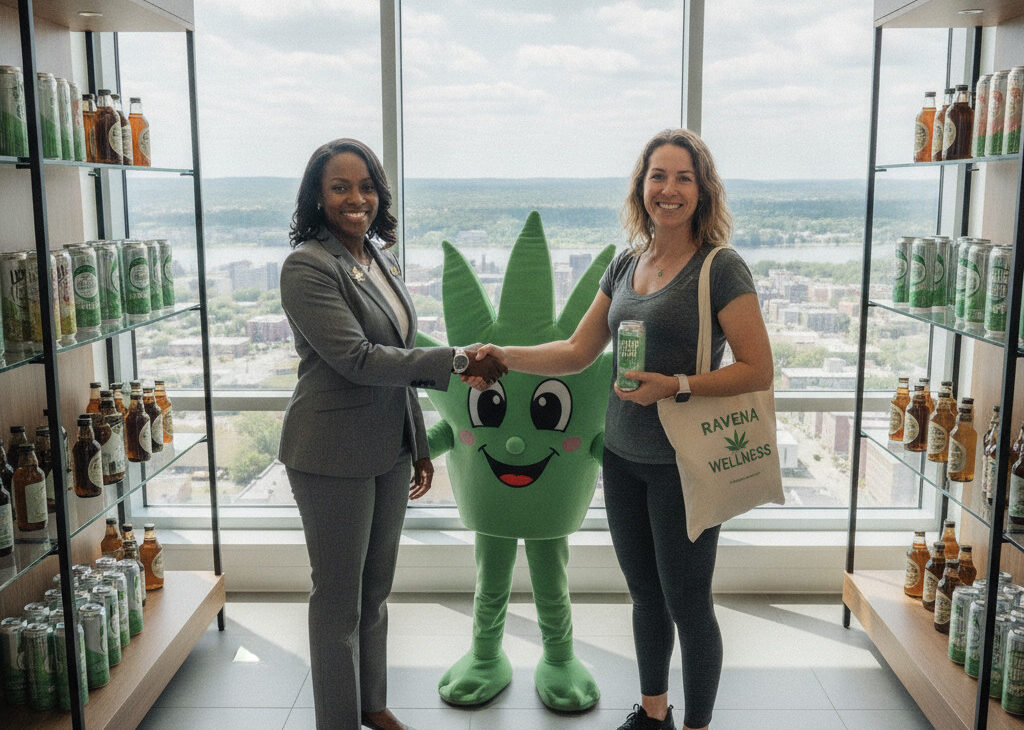
The New York cannabis market is moving faster than many expected, and it is reshaping economics and brand strategies. Operators, investors, and entrepreneurs now navigate an accelerated adult use transition away from long standing medical channels. Because supply will expand and price compression seems inevitable, margins for retailers and cultivators will tighten quickly. Major MSOs like Curaleaf and leaders such as Robert Sciarrone adopt wholesale partnerships to stabilize revenues and distribution.
However, the booming hemp beverage channel already competes for new customers and pressures regulated price points. As a result, New York brands must sharpen product quality, storytelling, and retail partnerships to maintain market share. This introduction previews key insights on market size, CAURD impacts, track and trace timing, and MSO strategies. MyCBDAdvisor presents research driven analysis to guide brands and operators toward scalable, resilient growth in New York. We assess how wholesale deals and careful branding will influence long term profitability.

Current market trends shaping the New York cannabis market
The New York cannabis market sits at a major turning point as adult use expands. Because regulators speed up licensing and distribution, supply growth will accelerate. Therefore operators face margin pressure and must pivot quickly. This section outlines the trends that matter most for brands, MSOs, and investors.
Key trends and market indicators
- Legalization impact and regulation
- New licensing rounds create more retail options and wider consumer access. However, the track and trace system remains critical and is expected in early 2026. For official rule updates, see the New York Office of Cannabis Management.
- Consumer demographics and demand shifts
- Younger adults and wellness seekers drive growth, and diverse communities shape product preferences. Also, consumers show steady interest in low dose and beverage formats.
- Product types gaining traction
- Beverages, edibles, and premium flower rank high in demand. Because beverage formats are experiential, brands emphasize flavor and consistency. The hemp beverage channel also competes strongly, creating cross market pressure: Cannabis Beverage Brand Building.
- Emerging business models and MSO strategies
- Wholesale partnerships and brand collaborations grow fast. As a result, MSOs pursue distribution deals to stabilize revenue and expand market reach. The industry increasingly discusses unity and market cohesion: Unity in Cannabis Culture Reform.
- Pricing dynamics and competition
- Price compression appears likely as supply rises. Meanwhile the larger hemp market reshapes customer acquisition strategies; see how pricing frameworks evolve: Cannabis Price Index 2026.
Together these trends suggest a market that rewards scale, strong supply chains, and brand differentiation. As operators adapt, wholesale deals and product innovation will determine who wins in New York.
| Company or category | Product types in New York | Market position | Unique selling points |
|---|---|---|---|
| Curaleaf | Flower, edibles, vapes, wholesale beverages | Major MSO with broad retail and wholesale reach | Established supply chain, Ravena cultivation, statewide distribution |
| Measure 8 Partners | Investor and strategic partner | Significant investor across the cannabis ecosystem | Deploys capital and scale; connects brands and retail partners |
| MSOs (collective) | Flower, concentrates, edibles, vape, beverages | Market leaders in scale and distribution | National reach, capital strength, wholesale partnerships |
| Registered Organizations (ROs) | Medical products, local flower, patient centered offerings | Local operators with medical legacy | Community ties, patient trust, local brand stories |
| Hemp beverage brands | Hemp beverages, low dose edibles | Fast growing competitor outside the regulated channel | Rapid innovation, retail shelf presence, price advantage |
Together, these categories show how product diversity and business models shape the New York cannabis market. Therefore, brands must balance scale, quality, and partnerships to win.
Legal and regulatory environment
The legal and regulatory environment now shapes the New York cannabis market more than ever. New rules aim to balance access, equity, and safety. Operators must adapt quickly because licensing and compliance timelines accelerate.
Licensing and compliance
- License types include adult use retail, cultivation, processor, distributor, and delivery.
- The Conditional Adult Use Retail Dispensary program grants priority to legacy and community applicants.
- However, new licensing rounds increase competition and require capital and operational readiness.
Track and trace and product safety
New York implemented a seed to sale tracking system to secure the supply chain. The Office of Cannabis Management announced the rollout and vendor support programs. For details and official releases see New York Cannabis Management Implementation Announcement. Meanwhile, the state uses Metrc as the compliance platform to manage inventory and UIDs Metrc Compliance Platform.
How recent policy changes affect businesses and consumers
- Compliance costs rise because tag fees and software integration require investment.
- As a result, smaller operators may pursue partnerships or wholesale deals to stay competitive.
- Consumers gain better product transparency through QR codes and lab linked data.
- Therefore retailers must strengthen record keeping, testing protocols, and packaging controls.
Overall, measured regulation improves safety and market integrity. At the same time, businesses should plan for near term costs and long term scale advantages.
Conclusion
The New York cannabis market has moved from early promise to rapid scale. Because adult use expanded and licensing accelerated, supply and retail networks now grow quickly. As a result, price compression and tighter margins follow. Yet the market still rewards quality, consistency, and smart partnerships.
Opportunities now favor innovative brands and supply chain leaders. Consumers gain broader product choice, better testing, and clearer labeling. Meanwhile businesses can capture share through wholesale deals, local storytelling, and differentiated beverages or edibles. Therefore operators that prioritize distribution and brand authenticity will lead.
MyCBDAdvisor supports operators and consumers with research driven insights and practical guidance. Visit our site for analysis, data, and tools at MyCBDAdvisor. Also note our commitment to evidence based coverage and industry transparency.
Frequently Asked Questions (FAQs)
Is cannabis legal in New York?
Yes. New York permits adult use and medical cannabis sales. However licensing is phased and regulated. The Office of Cannabis Management issues permits. As a result retailers and cultivators must meet strict compliance rules. Consumers should buy from licensed dispensaries for tested products.
How is the New York cannabis market affecting prices and supply?
The market is expanding rapidly because new licenses and cultivation come online. Therefore supply will increase and price compression is likely. MSOs pursue wholesale partnerships to protect margins. Meanwhile hemp beverages and unregulated channels add competitive pressure.
Which products do consumers prefer in New York?
Beverages, edibles, and premium flower lead demand. Also low dose formats appeal to wellness seekers. Brands now emphasize flavor, consistency, and storytelling to build loyalty.
What compliance steps must businesses follow?
Operators need the right license type for retail, cultivation, processing, or distribution. They must use seed to sale tracking and meet testing standards. Metrc functions as the primary inventory platform. Therefore companies invest in compliance software and staff training.
Should consumers choose hemp beverages or regulated cannabis products?
Hemp beverages offer wide access because of federal hemp rules. However regulated products provide tested potency and traceability. For safety and consistent effects, choose licensed products. Also consider brand reputation, third party lab results, and product format.