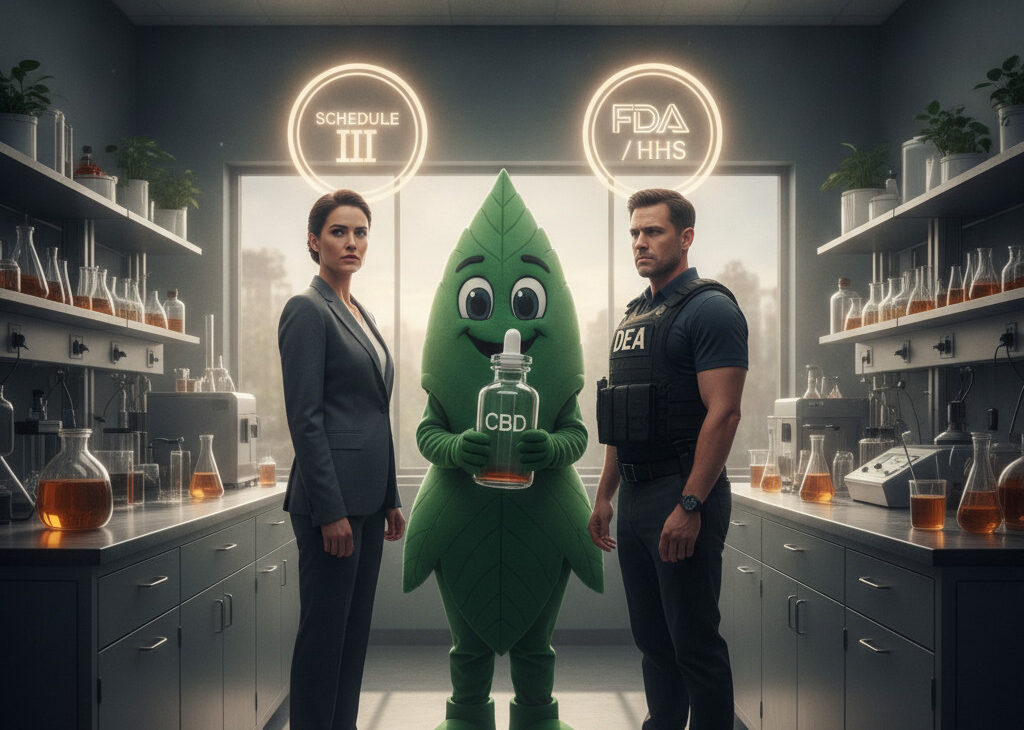
The DEA crisis of legitimacy now shapes national debates over cannabis policy, oversight failures, and public trust. High profile scandals and corruption cases have eroded confidence in the Drug Enforcement Administration. Because agents and contractors engaged in money laundering, sex parties, and other abuses, the public questions enforcement motives.
Moreover, weak oversight and limited transparency have allowed misconduct to persist without meaningful reform. These problems matter because they affect how the federal government classifies cannabis and funds research. Therefore, rescheduling decisions for marijuana cannot proceed without addressing structural failures. Researchers and entrepreneurs need clear rules, safe oversight, and reliable pathways to study cannabis.
Meanwhile, calls grow to transfer scheduling authority to health agencies like HHS and the FDA. Ultimately, restoring trust requires independent oversight, truthful accounting of past harms, and a public-health focus.
Related keywords include cannabis scheduling, Section 280E, drug-war reform, and overdose prevention. This article examines those issues and what Schedule III would mean.
DEA crisis of legitimacy: how enforcement failures built public distrust
The DEA crisis of legitimacy grew from a mix of corruption, weak oversight, and operational secrecy. Because high profile cases revealed misconduct, trust eroded quickly. Below are the core drivers and their consequences.
- Corruption and abuse of power. Former DEA special agent José Irizarry admitted laundering about $9 million through sham operations. He received a long federal sentence for that scheme. See the Department of Justice release for details: Department of Justice release.
- Overseas missteps and ethical lapses. A 2015 Department of Justice Inspector General review and reporting showed DEA agents attending sex parties in Colombia. Those findings added to concerns about foreign operations. For coverage, see Time.
- Superficial external reviews. The DOJ-commissioned review of DEA foreign operations cost $1.4 million but drew criticism for vague findings. Critics, including Senator Chuck Grassley, warned the report did not fully reckon with systemic problems. See reporting in Fortune.
- Limited accountability. Investigations and interviews reportedly involved dozens of agents, prosecutors, and informants. Yet, only a few officials faced criminal convictions. This gap widened calls for independent oversight.
- Public-health consequences. Because the DEA’s credibility affects drug policy, its failures also shape research and safety efforts. For context on overdose trends, see the CDC provisional data.
Related keywords and semantic phrases include cannabis scheduling, oversight failures, Team America, money laundering, foreign operations, public accountability, and reform of drug enforcement. These frames matter because they link misconduct to policy outcomes like Schedule III rescheduling and calls to shift authority to HHS and the FDA.
Evidence and analysis: DEA crisis of legitimacy and industry impact
This section lays out evidence of the DEA crisis of legitimacy. It then analyzes how policies and scandals affected the cannabis industry and public trust. Because clear facts matter, we link to primary sources and reporting. Moreover, the analysis ties misconduct to policy outcomes like Schedule III rescheduling and calls for oversight reform.
- Key documented incidents and findings
- What those incidents meant for the agency
- Consequences for cannabis businesses and research
Major pieces of evidence
- Corruption and money laundering allegations tied to Team America. Former DEA special agent José Irizarry admitted laundering roughly nine million dollars through sham operations. See the Department of Justice release for details.
- Overseas misconduct and ethical lapses. A 2015 DOJ Office of Inspector General report described DEA agents attending sex parties in Colombia. Those findings damaged the agency’s credibility. See the DOJ OIG report.
- Questions about external review and accountability. The DOJ-commissioned review of DEA foreign operations cost about 1.4 million dollars. Critics said it lacked decisive reform recommendations. For reporting on the review, see Fortune.
- Scheduling process and policy confusion. HHS recommended rescheduling in 2022, and the Department of Justice submitted a proposed rule in May 2024. However, the process remains contested and slow. See DOJ announcement.
Table comparing policies, public reactions, and impacts
| DEA policy or action | Evidence and source | Public reaction | Impact on cannabis industry | Effect on public trust |
|---|---|---|---|---|
| Corruption in enforcement operations | Irizarry conviction and DOJ release link | Outrage and calls for prosecution | Businesses seek clearer federal rules because trust is low | Deep erosion; perception of selective enforcement |
| Overseas operations and misconduct | DOJ OIG report on Colombia link | Criticism from lawmakers and press | Investors delay expansion amid regulatory uncertainty | Questions about ethical oversight and accountability |
| Scheduling delay and mixed signals | DOJ rescheduling proposal May 2024 link | Polarized public responses and stakeholder debates | Uncertainty over research, banking, and taxes like Section 280E | Perceived politicization of science and policy |
| Superficial external reviews | Reporting on review shortcomings link | Calls for independent oversight | Industry pushes for HHS FDA control over scheduling | Reduced confidence in internal reform efforts |
Analysis and implications
Because enforcement scandals link to policy outcomes, the DEA crisis of legitimacy matters for more than reputation. Researchers face hurdles studying cannabis because scheduling affects access and approvals. Moreover, businesses operate under tax burdens like Section 280E while federal ambiguity persists. Therefore, shifting scheduling authority to health agencies could reduce political pressure and improve scientific oversight. As a result, independent oversight of foreign operations and internal controls must accompany any rescheduling decision. Finally, restoring public trust requires transparent investigations, accountable discipline, and clear rules for research and commerce. For context on overdose trends, see CDC provisional data.
Broader implications and payoff: what the DEA controversy means for policy and industry
The DEA crisis of legitimacy has broad effects on cannabis policy reform and public trust. Because misconduct and weak oversight emerged repeatedly, lawmakers and stakeholders call for change. For example, high profile corruption cases like José Irizarry’s conviction shook confidence and raised accountability questions. See the Department of Justice release for details.
Policy reform could follow. Therefore, shifting scheduling and research authority to health agencies would emphasize science over enforcement. Moreover, removing enforcement from partisan fights could improve regulatory clarity for researchers and firms. The Department of Justice’s rescheduling proposal highlights the stakes in federal policy. https://www.justice.gov/archives/opa/pr/justice-department-submits-proposed-regulation-reschedule-marijuana
The cannabis industry now faces real economic and legal uncertainty. Because federal ambiguity persists, businesses still navigate banking barriers and the Section 280E tax burden. As a result, many investors delay expansion until federal rules become predictable. Meanwhile, consumers and patients worry about product safety and research gaps, which undermines public trust.
Public-health consequences matter too. For context, the CDC’s provisional overdose data shows changing trends that shape policy priorities. https://www.cdc.gov/nchs/pressroom/releases/20260513.html
In short, the DEA controversy offers a path to reform. However, reform requires transparent oversight, accountable leadership, and a shift toward public-health driven policy. If implemented, those changes could restore trust, boost research, and stabilize the cannabis industry.
Conclusion
The DEA crisis of legitimacy has reshaped debates about cannabis policy, research, and accountability. Because high profile scandals exposed corruption and weak oversight, rescheduling and research decisions now face intense scrutiny. These failures slowed scientific access and left businesses uncertain about banking and taxes. As a result, states and firms navigate a patchwork legal landscape.
MyCBDAdvisor remains a committed, full spectrum, research driven CBD knowledge source. We will track rescheduling developments and report on policy, science, and market impacts. Visit us for clear analysis, practical guidance, and updated resources at MyCBDAdvisor. We encourage policymakers to prioritize transparency and science.
Frequently Asked Questions (FAQs)
What is the DEA crisis of legitimacy?
The DEA crisis of legitimacy refers to a pattern of misconduct, weak oversight, and public scandals that eroded trust in the Drug Enforcement Administration. Because investigations exposed corruption and ethical lapses, lawmakers and the public now question the agency’s decisions and motives.
How does this crisis affect cannabis legality and scheduling?
The crisis complicates cannabis scheduling decisions. For example, conflicting signals from the DEA and HHS delayed rescheduling. As a result, researchers face access barriers and businesses face regulatory ambiguity.
Would Schedule III rescheduling fix these problems?
Schedule III could reduce some legal barriers and improve research access. However, scheduling alone will not solve oversight failures. Therefore, reform must include independent review and a stronger public-health focus.
What should consumers and patients know now?
Consumers should watch for clearer federal rules and safety standards. Meanwhile, trust issues mean some policy changes could move slowly. Stay informed about research and policy updates.
What reforms do experts recommend?
Experts call for transferring scheduling authority to health agencies like HHS and the FDA. They also recommend independent oversight of DEA foreign operations, transparent investigations, and accountability to restore public trust and support cannabis policy reform.