Introduction
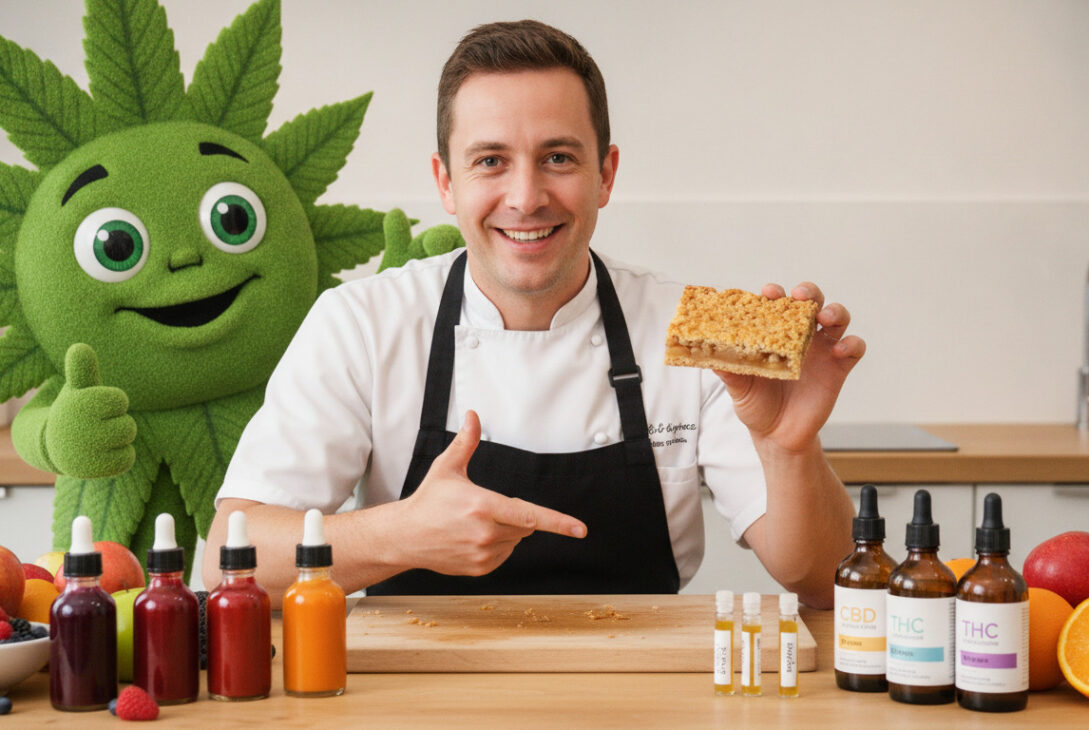
Culinary Craftsmanship is the thoughtful use of cooking skill and food science to turn raw ingredients into consistently delicious and reliable products for everyday consumers. It links artisanal technique to edible safety and consumer trust, anchoring artisan edible development in flavor control, precise dosing, and transparent sourcing.
- Taste engineering, masking bitterness, terpene pairing, and flavor synergy.
- Texture and delivery control, precise emulsification and fat carriers for even cannabinoid distribution. surface texture review
- Clean label ingredients, real fruit purées, pectin, and transparent sourcing to meet consumer expectations. clean label trade off study
Applying techniques from professional kitchens and lab-tested methods helps makers control dosing, stability, and sensory consistency across batches. Whether you call it edible product development or artisan edible development, the goal remains reliable, enjoyable, and safe foods.
This article outlines why craftsmanship matters and how to build it in edible products. See the “Why Culinary Craftsmanship Matters” section below for market and consumer context. We will also dive into practical skill development for makers, compare common technique trade offs, and highlight how craftsmanship improves dosage accuracy, supports food safety (lab testing), and elevates infused edibles.
Expect practical guidance that balances culinary technique with scientific rigor. Readers will find step-by-step skill drills, sensory calibration tips, and examples of how to translate small-batch recipes into repeatable processes. Along the way, evidence from sensory science and ingredient transparency will underscore why clean formulation matters for consumer trust and regulatory compliance. For background on texture perception and sensory methods see the surface texture review above and related studies from nutritional science clean eating guidance.
Roadmap
- Why it matters including market signals and consumer context
- Skill development and sensory training for reliable formulation
- Technique comparison and impact on product quality and dosing
Begin here with an open mind and a notebook. Later sections provide recipes, lab testing pointers, and checklists to help you move from experiment to consistent product.
What is Culinary Craftsmanship
Culinary Craftsmanship merges culinary skill and food science to produce consistent flavor, texture, and precise dosing in edible products. It combines taste engineering, carrier selection, and controlled processing to ensure repeatable quality and safety. Practitioners focus on sensory balance, ingredient provenance, and process controls like emulsification and tempering. See sensory science review sensory science review and clean eating guidance clean eating guidance.
For example, craft gummies and infused chocolates use these methods to achieve dosage accuracy and predictable onset. Formulators test delivery matrices to control CBD/THC distribution and reduce variability between pieces. This attention to detail improves consumer confidence and reduces dosing errors.
For detailed benefits and market signals, see Why Culinary Craftsmanship Matters.
Why Culinary Craftsmanship Matters
Culinary Craftsmanship builds predictable, memorable food experiences that increase consumer trust and safety. When flavor, texture, and dosing are consistent, customers rely on a product and report fewer complaints.
Chefs and formulators apply taste engineering, pH balancing, and texture control to shape flavor and optimize delivery. Precise techniques create repeatable quality across batches and support clearer product claims.
Market signals
Consumer preference data and clean label demand reward craftsmanship. The National Restaurant Association 2026 Culinary Forecast highlights evolving tastes and global comfort trends that shape menu and product innovation 2026 Culinary Forecast. Harvard School of Public Health offers practical clean eating guidance that underscores transparent sourcing and real ingredients clean eating guidance.
Key benefits
- Improved flavor clarity that masks off-notes and balances aromatics.
- Consistent texture and mouthfeel that increase perceived quality and repeat purchases.
- Reliable dosing and delivery in edibles that reduce dosing errors and enhance safety.
- Thoughtful presentation and packaging that reinforce brand trust.
- Clean-label formulations using real purées and pectin that meet modern ingredient expectations.
How to Develop Your Culinary Craftsmanship Skills
- Master knife skills and mise en place with quick daily drills to speed prep (daily, Beginner).
- Calibrate palate by tasting bitterness acidity fat and aroma in isolation for 10 minutes (daily, Intermediate).
- Recreate small batch edible recipes and note exact adjustments after each trial (1 to 2 hours per week, Intermediate).
- Study carrier fats lipid solubility and temperature control to improve cannabinoid delivery (weekly, Advanced).
- Use sensory training and terpene pairing to design balanced flavors that mask off notes (weekly, Intermediate).
- Iterate recipes quickly solicit feedback and log dosing variance after every test (per batch, Intermediate).
- Collaborate with food scientists to translate recipes into scalable dose accurate methods (monthly meetings, Advanced).
- Keep a flavor notebook revisit past tests and refine seasoning and texture regularly (ongoing, Beginner).
Resources: mise en place guide and sensory skills course.
Add measurable lab style checks and monitoring to improve dosage accuracy shelf life lab testing and scalability across production. Begin with simple bench trials and document results methodically so process changes are evidence based and repeatable. Use these two actionable validations to quantify stability and dosing performance and to inform scale up decisions.
- Run a bench scale emulsification stability test store matched samples at 4°C and 25°C and record visual separation creaming and potency loss after 7 and 14 days as a shelf life check; consider formal stability services for longer studies shelf life testing services.
- Log dosing variance across five pilot batches and target ≤10% CV for dose accuracy then submit one composite sample for independent lab potency testing to verify homogeneity and support regulatory compliance ensuring dosing accuracy for infused products.
Comparison of Culinary Craftsmanship Techniques
Quick trade-offs between common craft techniques and their edible use cases.
| Technique | Skill Level Required | Time Investment | Flavor Impact | Typical Use Cases |
|---|---|---|---|---|
| Sous vide | Moderate, needs precise temperature control | Medium to long, hours | Clean, even doneness, enhanced tenderness | Infusing fats, making consistent infused edibles |
| Smoking | High, knowledge of wood and smoke control | Medium to long, hours | Deep smoky aromatics, layered notes | Barbecue, flavoring chocolates, infused edibles |
| Braising | Moderate, sear then slow liquid cook | Long, several hours | Rich, concentrated savory depth, tender texture | Stews, sauces, infused syrups, fruit compotes |
| Fermentation | High, requires microbial control and sanitation | Long, days to months | Complex umami, tangy acidity, layered aroma | Cultured ingredients, flavor development, fermented bases for edibles |
| Emulsification and tempering | Intermediate | Short to medium | Improves mouthfeel and even cannabinoid distribution | Gummies, chocolates, emulsified syrups |
Table: Technique comparison for culinary craft and edibles.
Further reading: sensory science review and fermentation safety guide. Additional resources on emulsification and tempering include rheological properties of food emulsions and tempering chocolate process.
These technique choices directly affect texture, dosing uniformity, and shelf stability — see “How Culinary Craftsmanship Influences Food Quality” for details.
How Culinary Craftsmanship Influences Food Quality
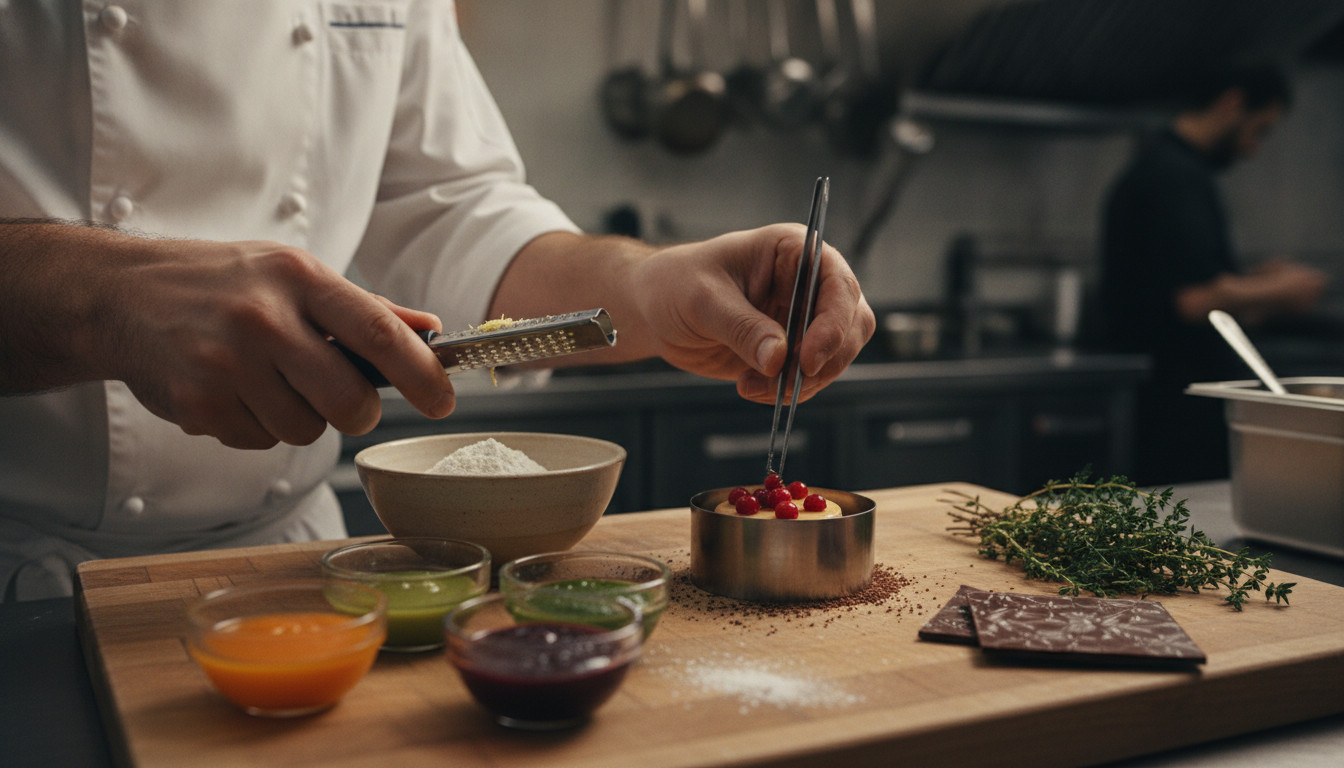
Culinary Craftsmanship shapes taste through targeted techniques like taste engineering, terpene pairing, pH balancing, and flavor masking. Chefs and formulators use sensory panels and controlled trials to refine aromatic balance and reduce off-notes, improving perceived flavor clarity and consumer trust. See sensory and consumer studies for context sensory and consumer studies scientific articles.
Texture and emulsification determine mouthfeel and cannabinoid distribution. Controlled emulsification, tempering, and small-batch folding help prevent cannabinoid pooling and ensure even dosing, while optimized mouthfeel increases perceived quality and repeat purchase intent. For scientific context on texture perception see texture perception studies.
Presentation labeling and provenance affect expectation and choice. Clean-label ingredients, transparent sourcing, and clear dosing information build trust and reduce misuse, which supports better post purchase satisfaction and retention as industry reports show clean eating resources industry reports.
Real-world examples show measured improvements in customer satisfaction and repeat purchases, demonstrated via awards, customer feedback, and internal KPIs. Industry data highlight retention differences and the premium value of products that perform reliably retention gap reports and consumer surveys confirm dosing and onset influence repeat use repeat use studies. These quality improvements support safer, more predictable dosing in edibles.
Conclusion
Culinary Craftsmanship elevates simple ingredients into thoughtful, reliable edible experiences. Skill and creativity shape flavor, texture, presentation, and precise dosing in finished products. As a result, consumers get items that taste better, feel premium, and perform predictably.
Chefs and formulators apply techniques such as Molecular Masking, pH balancing, tempering, and emulsification. Therefore small-batch practice, sensory training, and lab collaboration improve repeatability and reduce dosing errors. Meanwhile ingredient provenance and clean-label formulation strengthen consumer trust and brand value.
Appreciate Culinary Craftsmanship because it turns wellness into a ritual, not a chore. For practical tips and product guidance visit My CBD Advisor for approachable resources and updates. Keep experimenting, measure results, and honor the craft behind every edible to raise quality. Therefore skilled makers create safer, tastier products.
Related on CBD Advisor
- How Does Luxury cannabis branding Define Terroir
- Do artificial flavors vs terpenes in cannabis shape effects
- How to choose Mother’s Day cannabis gifts for moms