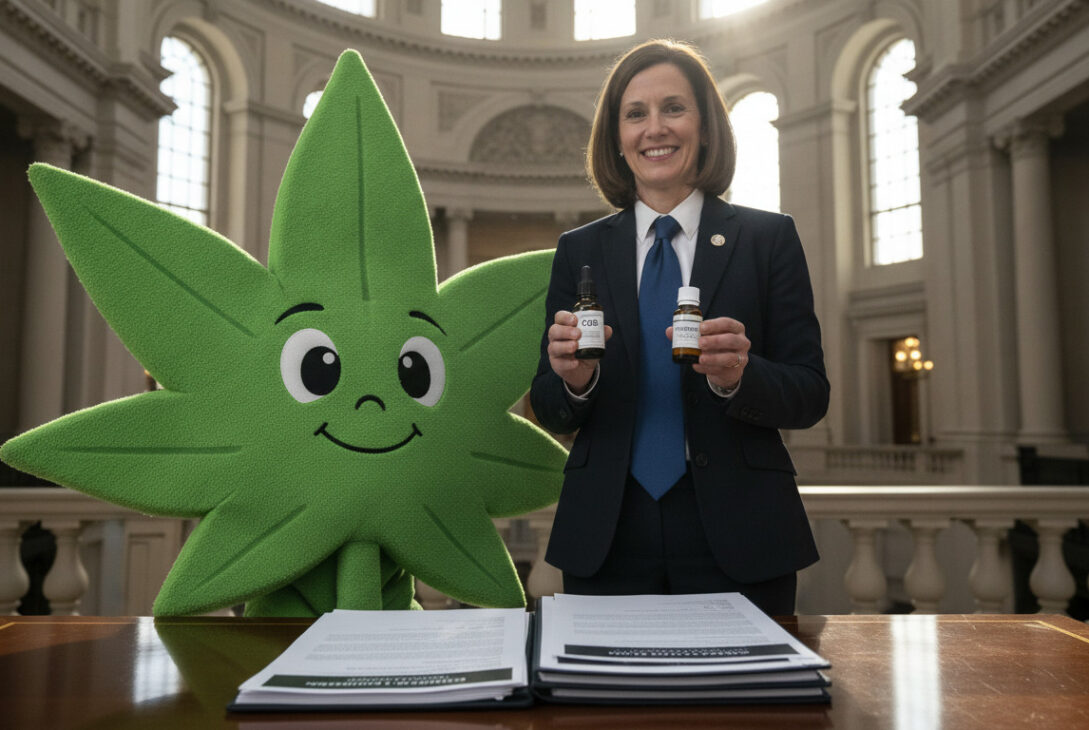
Draft introduction paragraph
The Pennsylvania Cannabis Control Board will set statewide cannabis licensing, testing and tax rules. It will write licensing rules, oversee product testing and coordinate tax recommendations to policymakers.
The board also may require seed to sale tracking, conduct background checks, and centralize inspections and enforcement to improve consumer safety. Stakeholders should watch rulemaking closely and submit public comments during the scheduled drafting and comment periods.
- Timeline: Rulemaking and draft rules expected within months after enactment; public comment periods will follow.
- Business impact: Prepare for licensing fees, testing costs, zoning changes and new compliance timelines. See the Pennsylvania Department of Health medical marijuana program for current medical program context.
- Action step: Monitor rule notices, review draft rules, and submit concise public comments on the SB49 bill page.
What is the Pennsylvania Cannabis Control Board
The Pennsylvania Cannabis Control Board is a proposed state regulator (medical and potential adult use). It will write licensing, testing, labeling and enforcement rules.
- Issue licenses for cultivators, processors and retailers.
- Set lab testing, potency and contaminant standards.
- Oversee inspections, compliance and enforcement actions.
Learn more at SB49 bill text. Also see the PA Department of Health medical marijuana program.
Role of the Pennsylvania Cannabis Control Board
The board will centralize licensing, compliance, and seed-to-sale tracking to create predictable rules and improve traceability. Stakeholders should expect clearer permit pathways and stricter reporting that reshape operations and public safety.
Issue and Renew Licenses
The board issues and renews permits for cultivators, processors, distributors, and retailers with consistent eligibility criteria. Predictable renewals and audits will lower regulatory uncertainty and encourage investment.
Testing and Lab Standards
Officials will set lab accreditation, potency limits, and contaminant thresholds to protect consumers. Clear testing rules will reduce product risk and simplify compliance.
Inspections and Enforcement
Routine inspections and targeted enforcement will ensure recordkeeping and safety standards are met. Strong penalties for violations will push operators toward proactive compliance.
Taxation and Reporting
The board will coordinate tax collection and sales reporting to support revenue distribution. Transparent reporting helps policymakers allocate funds and improve forecasting.
Social Equity Programs
Regulatory design may include licensing set-asides, fee waivers, and technical assistance for impacted communities. These measures aim to expand access and lower barriers for entrepreneurs.
Seed-to-Sale Tracking
A mandatory track-and-trace system will monitor movement from cultivation to retail, improving recall response and investigative efficiency. Better traceability supports public safety and deters diversion.
Medical Program Integration
Department of Health duties can transfer into the board to harmonize medical and adult-use rules. Unified oversight will streamline processes for patients and licensed operators.
Sources: SB49 bill text and Pennsylvania Department of Health medical marijuana guidance provide bill language and current program details. Read the full bill and program information at SB49 bill text and Pennsylvania medical marijuana program.
Phases of Pennsylvania Cannabis Control Board Regulation
| Phase | Description | Key Actions | Who’s Affected |
|---|---|---|---|
| Establishment and Rulemaking | Begins after bill passage and enactment; sets board authority and structure | Appoint members; draft rules; hold public comment; set fees | Regulators; policymakers; advocacy groups |
| Medical Program Regulation (Existing) | Transition oversight of current medical cannabis program to unified board | Transfer duties; standardize testing; update licensing | Patients; licensed dispensaries; growers |
| Licensing Phase I – Production and Processing | Issue cultivation and processing licenses under new rules | Accept applications; perform background checks; require seed-to-sale tracking | Growers; processors; investors |
| Licensing Phase II – Distribution and Retail | Open retail licensing for medical and future adult-use sales | Process retailer applications; provide zoning guidance; require compliance training | Dispensaries; local governments; consumers |
| Testing, Product Safety and Labeling | Set standards for lab testing, potency, and contaminant limits | License testing labs; define potency and contaminant limits; enforce labeling rules | Labs; manufacturers; consumers |
| Compliance, Inspections and Enforcement | Monitor licensees and apply penalties for violations | Conduct inspections; audit records; suspend or revoke licenses | Licensees; compliance teams; law enforcement |
| Taxation and Revenue Collection | Implement tax rules and revenue distribution if adult-use passed | Set tax rates; establish reporting; allocate funds to programs | State treasury; local municipalities; businesses |
| Social Equity and Small Business Programs | Create programs to support communities harmed by past enforcement | Offer licensing set-asides; grants; fee reductions; technical assistance | Entrepreneurs; impacted communities; nonprofit partners |
| Data Reporting and Public Education | Publish market data and run consumer education campaigns | Release regular reports; fund public health messaging; support research | Public health officials; researchers; consumers |

How Does the Pennsylvania Cannabis Control Board Affect Cannabis Businesses?
The board will centralize licensing, testing, and enforcement which changes timelines and costs for operators. Below are tight, actionable estimates to help planning and cashflow models.
Licensing timelines
- Application review and initial approvals 3 to 9 months; action: build a 6 month buffer before planned opening.
- Local zoning and municipal signoffs 1 to 6 months; action: engage local planners early and document community outreach.
Licensing costs
- Dispensary application fee about $5,000 nonrefundable; action: include dispensary fees in preapplication budgets.
- Retail permit fee roughly $30,000 per location with capital proof around $150,000; action: secure proof of funds before applying.
- Grower/processor fees higher for application and permits (examples up to $10,000 application and $200,000 permit); action: align investor capitalization with statutory requirements.
Testing & reporting costs
- Lab testing $200 to $400 per sample depending on panels; action: budget for batch testing and occasional retests.
- Seed-to-sale software integration and annual licenses $5,000 to $50,000; action: evaluate vendors and include integration costs in IT plans.
- Ongoing compliance costs typically 2 to 5 percent of revenue for audits and reporting; action: set aside a compliance reserve line item.
Staff training
- Annual training and compliance staffing $10,000 to $50,000 depending on operation size; action: designate a compliance lead and schedule quarterly refreshers.
- Outsourced compliance or audit support $5,000 to $20,000 per audit engagement; action: compare inhouse versus vendor costs before licensing rounds.
Resources
CONCLUSION
The Pennsylvania Cannabis Control Board will set the rules that shape the state’s cannabis market and public safety. It will centralize regulatory oversight, create licensing pathways, and enforce product safety standards. As a result, regulators expect clearer compliance obligations for operators statewide.
Businesses must adapt operations, budget for testing, and meet new reporting rules. Moreover, consumers should see stronger protections through testing and labeling standards. Stay informed about board rulemaking and timelines by visiting myCBDadvisor for timely analysis and guidance. The board could also influence tax policy and social equity programs that affect market access. Therefore, stakeholders should engage during public comment and track legislative developments closely.
Frequently Asked Questions (FAQs)
What is the Pennsylvania Cannabis Control Board?
The Pennsylvania Cannabis Control Board is a proposed state regulatory authority that would oversee the medical cannabis program and any future adult-use market. It aims to centralize oversight and improve regulatory clarity; see the SB49 bill page for the full text: SB49 bill page.
Who and what programs will the board regulate?
The board would regulate growers, processors, testing labs, distributors, and retailers and would take on duties now held by the Department of Health for medical cannabis. For current program details see the Department of Health medical marijuana program.
How will cannabis licensing change for businesses?
The board will design licensing categories, set application criteria, fees, and background checks, and may roll out phased licensing. Businesses should prepare for new timelines and application requirements in the SB49 bill page.
What compliance and enforcement should operators expect?
Expect increased inspections, mandatory testing, seed-to-sale tracking, and stronger reporting and enforcement that could include fines or license suspension. Compliance teams should budget for testing, staff training, and upgrades to tracking and reporting systems.
How will consumers and public safety be affected?
Consumers should see stronger protections through standardized testing and labeling, and the board could direct tax revenue and public education funding. See Governor Shapiro’s 2025 budget proposal for related revenue and policy context.
When will the board begin operations?
Start up depends on passage of SB49, appropriation of funds, and appointment of board members; the board generally begins rulemaking and staffing after those steps are complete. Expect public rulemaking, comment periods, and phased licensing milestones over the months following enactment.
How do I apply for a Pennsylvania cannabis license?
To apply for a Pennsylvania cannabis license watch official rulemaking notices and agency announcements so you know when applications open. Prepare required background checks and documentation, secure financing, and budget for testing fees and compliance systems. Submit a complete application packet when the board opens the license round and attend any required training or inspections.
Related on CBD Advisor
- Is Cannabis microdosing and medical cannabis program growth accelerating
- Will Pennsylvania adult-use cannabis legalization in executive budget pass
- Who benefits from North Carolina adult-use cannabis legalization plan