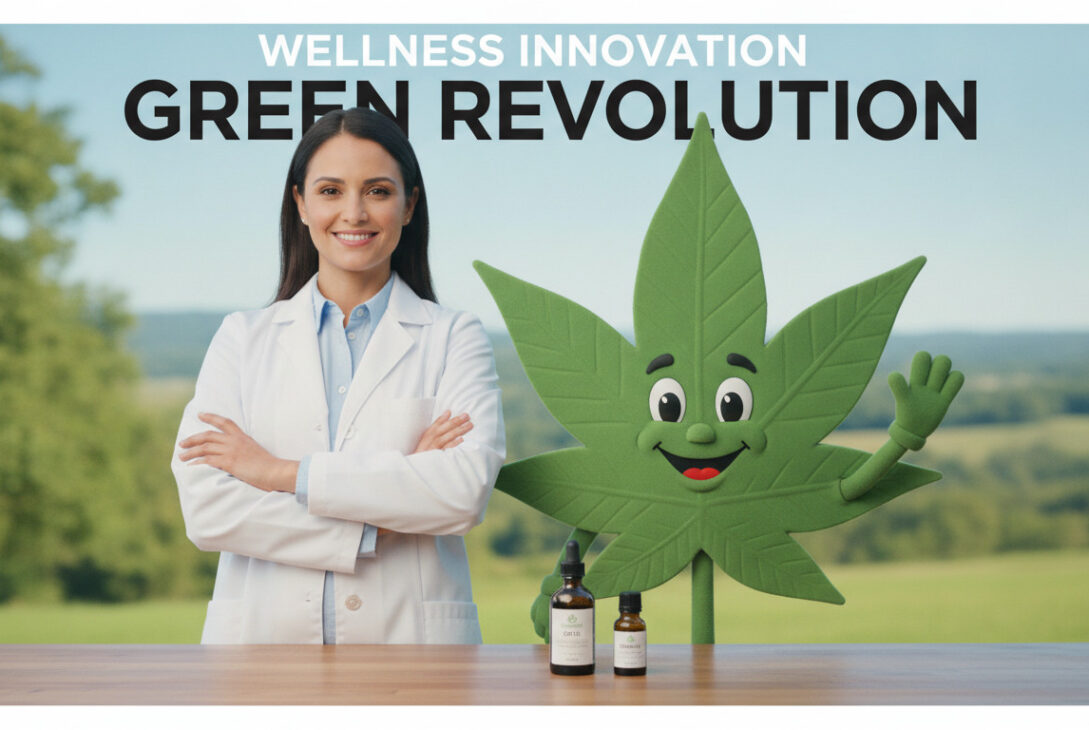
Survive Cannabis Social Media Censorship
Cannabis social media censorship can erase audiences overnight, removing posts and shrinking reach for creators and brands. This guide gives practical tactics to reduce takedowns, protect reach, and preserve audience access.
What you’ll learn
- Trigger dictionary checklist for scanning risky phrases and images
- Timing tactics for off peak posting and moderation windows
- Test templates for A B tests, measurements, and iteration
Check platform rules such as the prescription drug ads policy for ad examples and limits: prescription drug ads policy. Review creative effect guidelines to avoid restricted tools and potential removals during content creation: creative effect guidelines.
Quick checklist for cannabis posts
Use these action items to cut takedowns and preserve reach. Each bullet gives a benefit and a measurable test.
- Replace product shots with symbolic imagery to reduce visual triggers.
Measure: post leaf silhouette versus product photo; compare reach percent after 48 hours. - Rotate euphemisms and avoid repeated keywords to lower filter hits.
Run: publish three caption variants over one week; compare engagement and reach. - Scan captions with AI to flag risky phrases before posting.
Compare: across 30 posts, scanned versus unscanned takedown rates. - Post during low moderation windows to limit instant removals.
Measure: 2am IST versus 2pm local; compare reach change over 48 hours. - Frame content with neutral research language to avoid medical claims.
Test: share peer reviewed study caption versus sales caption; compare distribution. - Move audiences to owned channels to reduce platform dependency.
Track: add email CTA to three posts; measure conversion and retention.
Review platform rules before campaigns to avoid surprises. See prescription drug ads guidance and effect guidelines for creative tools.
What is Cannabis Social Media Censorship
Cannabis social media censorship refers to platform actions that remove posts, reduce distribution, or apply labels and limits. These measures include shadowbans, keyword filtering, blurred images, and account restrictions implemented by automated systems or human reviewers.
Platform moderation often aims to curb promotional content and limit legal exposure. For example, a product post that shows a vape pen plus a direct purchase link might be removed within hours and its hashtags suppressed, cutting organic reach by more than half. Such a takedown shows how cannabis censorship can erase audience access quickly.
Regulatory concerns shape moderation, especially around health claims and commerce. Marketers should avoid unsubstantiated medical claims and follow guidance such as the restricted ads policy for prescription drugs, the FTC CBD advertising warning, and the effect guidelines for creative tools.
Platform policy comparison
Last updated: 2026-08-05
This comparison highlights policy differences across major networks and links directly to the platform rule that most often affects cannabis creators and brands. Use the source links to confirm current requirements before publishing.
| Platform | Policy Overview | Content Allowed | Common Restrictions |
|---|---|---|---|
| Meta restricts ads for illegal drugs and drug related promotion; organic content is subject to filters and age gating. Source: Facebook Policies |
Educational content, neutral reporting, harm reduction discussion where not promotional. | Paid ads for recreational substances banned; keyword and image filters; promoted purchase links removed. | |
| Aligns with Meta ad rules and community guidelines; promotional CBD and THC content is tightly limited. Source: Instagram Policies |
Research summaries, neutral imagery, non promotional brand awareness in some regions. | Hashtag suppression, shadowban risk for explicit product shots, removal of posts with sales intent. | |
| TikTok | Effect and community rules prohibit depiction or promotion of drug use and related paraphernalia; creators see fast AI moderation. Source: TikTok Guidelines |
Educational conversations, satire, indirect references using euphemisms and storytelling. | Effect restrictions, reduced distribution from trigger terms, video removal for use depiction. |
| X (Twitter) | Ads policy prohibits promotion of drugs and drug paraphernalia; platform rules bar facilitating sales and illegal activity. Source: X Ads Policies |
News, advocacy, scientific discussion framed as non commercial content. | Content labels, account suspension for sales, geotargeting limits and age restrictions. |
| Quick Takeaway | Use neutral science language and avoid product shots | Apply strategic blur and indirect imagery on Instagram | Avoid showing consumption; focus on education on TikTok |
How to Navigate Cannabis Social Media Censorship
Follow these five actionable steps with test plans and measurable metrics to reduce takedowns and protect audience access. Validate tactics against platform rules such as the restricted ads policy and creative effect guidelines linked below.
Visual substitution
How to test
- A B test blurred or substituted imagery against explicit photos across identical captions and posting times. Run each variant for ten posts per network. Keep creative assets identical except the visual.
Metrics to track
- Reach change percentage and story completion rate. Also log removals and hashtag suppression instances.
Euphemism rotation
How to test
- Create two caption sets: plain terms and rotated euphemisms. Post in alternating order and track three weeks of performance. Update the euphemism list when reach dips.
Metrics to track
- Engagement rate, comment sentiment, and hashtag visibility. Note time to first moderator action.
AI preflight scans
How to test
- Run each post through an AI content scanner and record flagged phrases and scores. Publish scanned and unscanned versions to a private test account first.
Metrics to track
- Flag count, takedown rate, and post reach after 24 and 72 hours.
Timing tactics
How to test
- Schedule identical posts at different local times across seven days to find low moderation windows. Use small audience tests then scale winners.
Metrics to track
- Immediate reach delta in first two hours, rate of manual review actions, and follower growth.
White coat framing
How to test
- Pair educational citations and peer reviewed links with neutral imagery versus promotional creative. A B test language that references research against product focused captions.
Metrics to track
- Distribution percentage, medical claim flags, and referral traffic to owned channels.
Example captions
- Safe template: “New research overview on delivery methods and bioavailability. Link to study in bio. Comments welcome from clinicians and researchers only.”
- Unsafe template: “Buy the strongest strain now for immediate relief. Tap to shop and save 20 percent today.”
Rotating euphemisms and guidance
- green option
- botanical extract
- plant wellness
- herbal blend
- calm formula
- relaxation aid
Rotate every two to four posts and replace terms when engagement or reach falls. Keep a running trigger log and update before paid scaling.
Further reading: restricted ads policy and creative effect guidelines. For regulatory context see the adolescent exposure study.
The Impact of Social Media Restrictions on Cannabis Marketing
Cannabis social media censorship reduces organic reach and complicates growth for cannabis brands. Because platforms limit promotion, marketers lose both paid and organic distribution. As a result, customer acquisition costs rise and sales funnels suffer. Smaller firms feel the impact sooner because budgets are tight. Moreover, platforms removing tools reduces targeting and analytics.
Research shows social exposure affects use patterns and regulatory scrutiny. One study found adolescent exposure to cannabis marketing on social media raised odds of past-year use (source). Another cyber ethnography found retailers still use social channels to normalize products despite rules (source).
Therefore businesses must diversify channels and invest in owned audiences. However, creative compliance, testing, and clear scientific framing can preserve growth while reducing legal risk. Brands should document tests and keep a content trigger dictionary and update it weekly. Start tracking metrics now. Ultimately cannabis social media censorship demands measured strategy and constant iteration.
CONCLUSION
Cannabis social media censorship now shapes distribution, visibility, and creative choices for cannabis brands online. Because platforms and AI flag keywords and images, marketers must adapt rapidly and document outcomes.
Therefore documented tests and creative compliance help protect reach, brand safety, and legal exposure. Small firms feel the impact first, while larger publishers can diversify channels more quickly.
Use visual substitution, science language, strategic blur, and precise captions to reduce shadowbans. Skip direct promotion, rotate euphemisms, and run AI security reviews for every campaign test. However, no tactic lasts forever, so measure reach, engagement, and iterate weekly.
For ongoing guidance visit My CBD Advisor and build owned channels to retain audience control.
FAQs
What is cannabis social media censorship
Cannabis social media censorship is platform enforcement that removes or limits cannabis content to reduce distribution and legal exposure.
- Read the How to Navigate cannabis censorship guide for practical tactics.
- Start a content trigger log to record flagged phrases and images and measure reach impact.
Why platforms censor cannabis content
Platforms censor cannabis to limit legal risk, protect minors, and comply with advertiser and jurisdictional rules.
- See research on adolescent exposure to cannabis marketing for regulatory context.
- Use neutral science language and avoid medical claims to lower enforcement risk; document tests in your trigger log.
Can cannabis brands advertise on social media
Advertising rules vary by platform and jurisdiction; THC ads rules generally prohibit direct promotion of THC products across major networks.
- Check platform policies such as the prescription drug and restricted content guidance.
- Rely on owned channels and age gated, compliant CBD messaging where allowed; review the How to Navigate guide for steps.
How do creators reduce the risk of shadowbans
Creators reduce shadowban risk by removing explicit imagery, rotating euphemisms, avoiding sales language, and running AI preflight checks.
- Run automated content scans and keep a weekly flagged-phrase list to update creatives.
- A B test posting times and visuals and measure distribution changes in your analytics.
Long term strategies for cannabis businesses
Long term strategies include building owned audiences, documenting experiments, and diversifying channels to reduce platform dependency.
- Invest in email, SMS, and website content and maintain a weekly trigger dictionary.
- Record A B tests and performance to create a compliance playbook you can scale.
How to avoid Instagram shadowban for cannabis content
To avoid an Instagram shadowban, remove direct product images, use neutral captions, limit promotional claims, and monitor reach after each post.
- Apply visual substitution, strategic blur, and prepost AI reviews; see the How to Navigate guide.
- Rotate hashtags and euphemisms, post off peak, and track reach dips per post.
Are CBD ads allowed on Facebook and Instagram
CBD advertising guidelines are conditional; Meta permits limited hemp derived CBD promotion only with prior authorization, strict claims limits, and age gating.
- Review platform rules and authorization requirements before promoting CBD: platform rules.
- Prefer educational content and avoid medical claims; pair posts with owned channels to capture audiences.
Effect and creative tool rules to watch
Creative tool and effect rules can restrict depictions and branded assets used in content creation and distribution.
- Read TikTok effect guidelines for restrictions on effects and branding: effect guidelines.
- Limit branded effects, avoid normalizing use in tools, and document any removed effects for future tests.
Related on CBD Advisor
- Why NYT cannabis editorial critique Sparks Pot Debate
- How Does Weedy Won K Redefine Cannabis Comedy
- What makes Weedy Won K viral on cannabis humor