Introduction
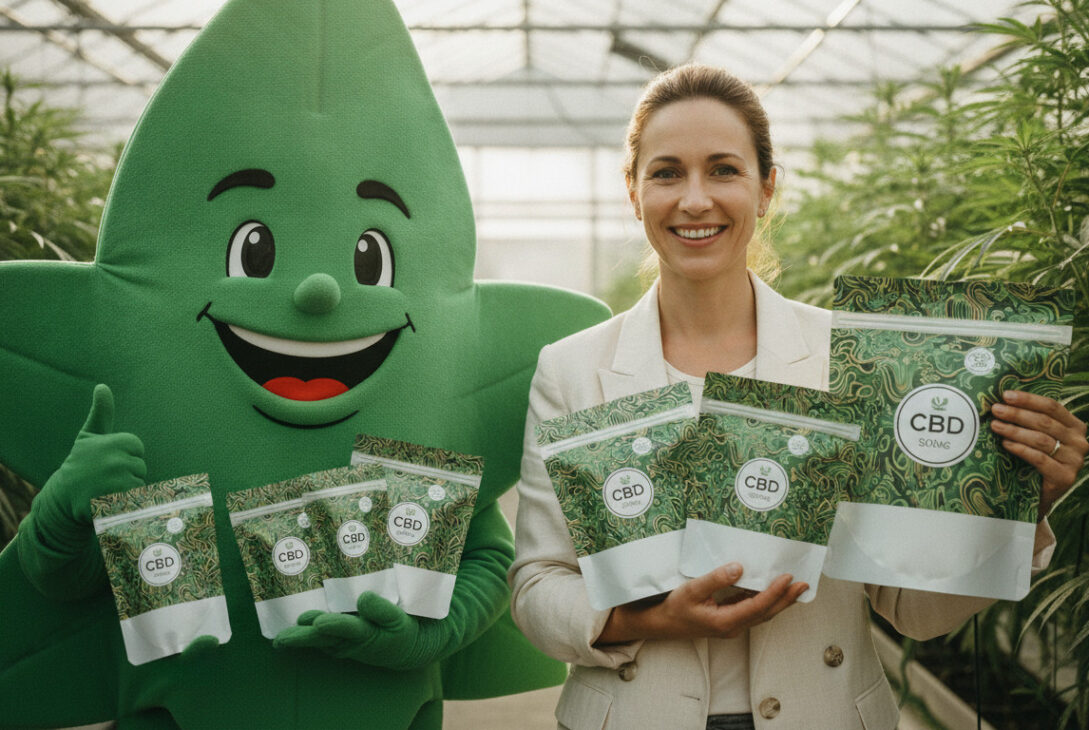
Choosing the right Mylar pouches for cannabis packaging can mean the difference between expired product and a premium shelf ready strain. The guide provides clear, practical steps to protect potency and enhance brand presentation.
You will learn how to pick barrier grade, pouch size and child resistant features, plus sealing steps, modified atmosphere packing usage and labeling requirements. It distills storage science into actionable packaging choices for brands and retailers.
Key takeaways
- Select high barrier films and consider nitrogen or modified atmosphere packaging to preserve cannabinoids and terpenes.
- Use heat seals plus certified child resistant resealable closures to ensure safety and regulatory compliance.
Because cannabis degrades quickly when exposed to air, light and moisture, packaging matters for potency, flavor and safety. Brands that invest in proper packaging protect product quality and build consumer trust. MyCBDAdvisor researched storage science and market trends to recommend cost effective solutions (nitrogen modified atmosphere study: nitrogen modified atmosphere study; cannabinoid photodegradation review: cannabinoid photodegradation review). Custom printed high barrier pouches block light and limit oxygen ingress, preserve terpene profiles and support resealable child resistant functions for safety and freshness.
What are Mylar bags for cannabis packaging?
Mylar bags for cannabis packaging are multi layered high barrier pouches that block light, oxygen and moisture to preserve potency, flavor and aroma while preventing odor leakage. Many include resealable zippers and child resistant features for safety and retail compliance. As a packaging option Mylar pouches, cannabis packaging solutions and BoPET laminate provide strong barrier performance.
They work well for single gram flower retail where a tight fit reduces excess air and for pre roll multi packs that need crush resistance and odor control. See BoPET film properties and Mylar properties guide for material details, and visit the packaging resources page for templates and supplier guidance.
Benefits of Mylar bags for cannabis packaging
High barrier protection preserves potency and terpene profile by limiting oxygen and moisture ingress, extending shelf life and reducing spoilage. Tip: Specify foil laminate or BoPET structures with low OTR and confirm values with your supplier.
Preservation of freshness and potency
- Select barrier film and atmosphere control
- Choose multilayer BoPET or foil laminate to slow oxidation and terpene loss.
- Tip: Verify oxygen transmission rate OTR with your supplier, for example aim for less than 1 cc/m2/day and for best results seek foil laminates reporting OTR below 0.1 cc/m2/day as shown in supplier datasheets foil laminate OTR datasheet.
- Use MAP and secure sealing
- Flush with nitrogen or use modified atmosphere packaging to reduce residual oxygen.
- Tip: Apply a heat seal then close the resealable zipper to add tamper evidence and extra oxygen control. See vapor phase terpenes study vapor phase terpenes study and photodegradation review cannabinoid photodegradation review.
Protection from light and moisture
Opaque foil layers prevent photodegradation and limit moisture exchange to reduce mold risk and cannabinoid breakdown.
Tip: Store final pouches in cool dark conditions between 15 C and 21 C and avoid temperature swings to maximize stability.
Odor control and durability
Multilayer films with reinforced seals reduce aroma leakage and resist puncture during transit.
Tip: Specify double track zippers and reinforced seal lines for transit resilience.
Compliance and safety
Pouches can support child resistant closures and tamper evident seals while enabling full color printing for retail readiness.
Tip: Use certified child resistant zippers and add clear batch labels for traceability.
Comparing Mylar bags for cannabis packaging with alternatives
| Packaging type | Cost | Preservation quality | Odor control | Environmental impact | Reusability |
|---|---|---|---|---|---|
| Mylar bags | Low to moderate | Excellent barrier to air, light and moisture | Very good due to multi layer sheets and tight seals | Mixed recyclable options; lower transport emissions than glass | Resealable; can be reused for storage |
| Glass jars | High | Very good when amber and sealed; good for short term | Good if airtight | High transport footprint but widely recyclable | Highly reusable and durable |
| Plastic bags | Very low | Poor; permeable to air and moisture | Poor; odors can leak | High single use waste; often not recycled | Limited reuse; generally single use |
| Vacuum sealed bags | Moderate | Excellent; oxygen reduced for long shelf life | Good to very good when sealed | Often non recyclable multilayer films | Usually single use; some systems reusable |
| Metal tins with inner liner | Moderate | Good; durable and protects from crush and light | Good when lined and sealed | Moderate; metal is recyclable but liners vary | Reusable and sturdy |
How to use Mylar bags for cannabis packaging properly
- Choose the right pouch size and barrier grade for your product, because fit reduces excess air and preserves freshness.
- Fill and purge air gently; then seal. For longer shelf life use nitrogen flushing or modified atmosphere packing as supported by packaging studies https://pubmed.ncbi.nlm.nih.gov/39707520/.
- Secure the resealable zipper, and apply a heat seal when possible to add a tamper evident barrier. Next, label with batch and date for traceability.
- Store filled Mylar bags in a cool, dark place at stable humidity, because temperature swings and light degrade terpenes and cannabinoids.
- Handle with care during transport and retail; therefore avoid crushing and prolonged heat exposure. Also follow regulatory packaging and safety guidance such as the Canadian packaging and labelling guide.
- Reuse or recycle responsibly; however, inspect reused pouches for seal integrity and odor retention before reusing to protect product quality.
Scientific research on Mylar bags for cannabis packaging
Current evidence yields three concise findings. Target storage between 15 to 21 degrees Celsius and 55 to 62 percent relative humidity slows cannabinoid and terpene degradation during storage [1], [3]. Nitrogen modified atmosphere packaging can influence the stability of individual terpenes and in one study preserved beta myrcene compared to ambient storage, although total terpene and cannabinoid changes differed by compound and time [2]. High barrier multilayer BoPET or foil laminate pouches combined with heat seals and resealable closures reduce light and oxygen exposure and thereby limit photodegradation and oxidative loss [1], [2].
3 step checklist
- Choose barrier materials and atmosphere control. Select multilayer BoPET or foil laminate films and consider nitrogen modified atmosphere packing when feasible; a Journal of Cannabis Research study reported that beta myrcene remained stable under nitrogen MAP while it decreased under ambient storage, suggesting MAP can preserve specific terpenes [2].
- Seal and secure packages. Apply a heat seal and then a resealable zipper for extra oxygen control and tamper evidence, because combining seals reduces oxygen transmission and light ingress which protect cannabinoids during shelf life [1].
- Store and monitor conditions. Keep packaged inventory at 15 to 21 degrees Celsius and 55 to 62 percent relative humidity, track storage time and record batch data for traceability and quality control [3].
References
- cannabinoid photodegradation review
- nitrogen modified atmosphere packaging study
- vapor phase terpenes accelerated stability study PubMed
CONCLUSION
Choosing Mylar bags for cannabis packaging protects potency, terpene profiles and brand reputation. Because they block light and limit oxygen, products last longer and taste better. Moreover, tight seals and multi layer films keep aromas contained and reduce spoilage. Therefore, Mylar delivers reliable preservation and consistent shelf life.
Mylar pouches also support professional presentation through custom printing and scalable costs. At the same time, child resistant designs and resealable zippers improve safety and regulatory compliance. As a result, brands save money on waste and build customer trust.
In short, Mylar bags for cannabis packaging offer a practical balance of preservation, odor control and affordability. MyCBDAdvisor recommends barrier grade selection, proper sealing and cool storage to maximize results. Learn more at MyCBDAdvisor for research backed guidance and packaging resources. Choose wisely for lasting quality.
Frequently Asked Questions (FAQs)
Are Mylar pouches reusable for cannabis storage?
Yes, reuse only when the zipper and heat seal are intact and no residual odor remains.
Are flexible barrier pouches safe and child resistant?
Many formats accept certified child resistant zippers; follow local regulations and add secondary child safety steps when required.
What sizes and printing options are available?
Pouches range from single gram to bulk sizes with full color printing and compliance labeling; custom runs available.
Do foil laminated pouches stop cannabis odor from leaking?
Multilayer laminates and tight seals greatly reduce odor escape, especially with foil liners and double track zippers.
How eco friendly are these pouches compared to alternatives?
Multilayer films often resist curbside recycling but reduce product waste; review recyclable pouch options recyclable pouch options and consider mono material films for better circularity.
What temperature and humidity should I store cannabis in barrier pouches?
Store in cool dark conditions at 60 to 70°F and 55 to 62 percent relative humidity to preserve terpenes storage guidance.
Are there recyclable Mylar pouches for cannabis?
Mono material films improve recyclability but may have lower barrier properties, while multilayer laminates offer better oxygen and light protection; pick mono PE or PP for recycling programs or multilayer foil when shelf life is paramount mono material tradeoffs.