
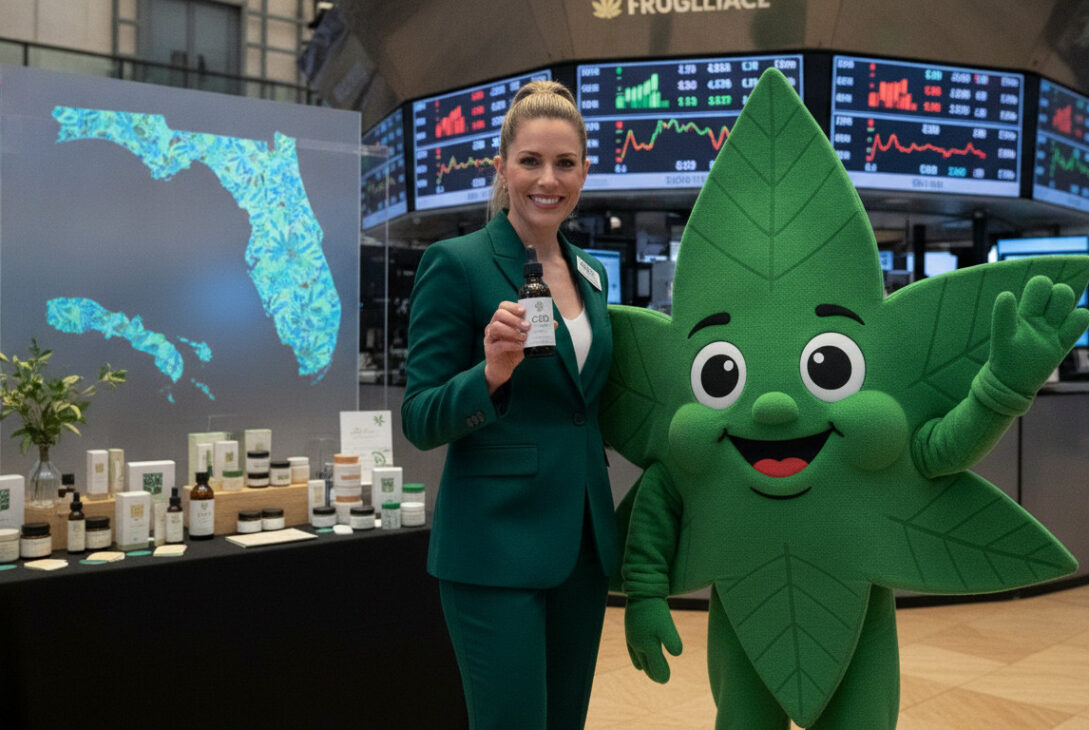
Trulieve NYSE listing marks a historic milestone for U.S. cannabis companies. As the company prepares to trade under TRLV, investors and operators see a shift in market norms. This uplisting signals greater liquidity and broader institutional attention.
Because federal rescheduling to Schedule III opened legal pathways, the timing matters for both operators and patients. Moreover, Trulieve’s footprint across Florida, Georgia, Pennsylvania and West Virginia gives this move practical scale. Therefore, the listing could reshape capital access for state licensed operators.
Investors now watch for changes in valuation, governance and M&A activity. However, regulatory nuance will still influence growth and risk profiles for cannabis stocks. Yet the NYSE debut promises higher visibility and trust for mainstream audiences.
This article will unpack the Trulieve NYSE listing effects on market liquidity, funding, policy and operator strategies. We will also explain what the uplisting means for shareholders, partners and patients. Read on for clear, actionable insights and expert context.
What is Trulieve NYSE listing?
Trulieve NYSE listing is Trulieve Cannabis Corp.’s uplisting to the New York Stock Exchange under ticker TRLV. It gives the company greater liquidity, wider institutional access, and higher visibility for U.S. medical cannabis operators. As a result, investors and state licensed businesses may see new capital and governance significant opportunities.
Why Trulieve NYSE listing Matters
For investors
Because the uplisting places Trulieve on a major U.S. exchange, investors gain easier access and better liquidity. Institutional funds often require NYSE listings for formal allocations, so Trulieve may attract new large investors. As a result, daily trading volumes and price discovery should improve.
For the cannabis industry
Trulieve’s move signals regulatory progress and market maturation. Moreover, the listing follows Trulieve’s approval to begin trading under TRLV on June 10, 2026, which confirms its new status on a major exchange (see the NYSE listing announcement). Therefore, other multi state operators may pursue similar uplistings and corporate reorganization to access U.S. capital markets.
For market growth and capital
Uplisting can unlock cheaper capital and fuel mergers and acquisitions. Investors may see stronger governance and reporting standards, which reduces perceived risk. Consequently, private financing dynamics could shift, benefiting growth stage operators and service providers.
Key takeaways
- Increased liquidity improves shareholder exit options and valuation transparency.
- Broader institutional interest can expand capital availability for M&A and expansion.
- Greater visibility may accelerate public policy discussions and legitimization.
For contextual market trends and financing context, see the cannabis stocks market update and private financing early 2026 overview: cannabis stocks market update and a legal analysis of the NYSE listing mechanics: legal analysis of the NYSE listing mechanics.
How Trulieve NYSE listing Came To Be
Early groundwork
Trulieve began as a Florida medical cannabis operator and expanded through acquisitions and organic growth. Because it sought U.S. capital access, leadership maintained dual listings on Canadian and OTC markets while building scale and compliance infrastructure.
Strategic mergers and scale
- 2021 to 2024: Trulieve pursued acquisitions to expand into Georgia, Pennsylvania and West Virginia, creating multi state scale.
- 2024: Large campaign contributions and active policy engagement reinforced the company’s strategic focus on U.S. market leadership.
Regulatory inflection point
Because federal rescheduling of medical cannabis to Schedule III created clearer legal pathways, Trulieve accelerated plans to convert its listings and corporate structure. Therefore, regulatory shifts reduced some capital market frictions and encouraged major exchange consideration.
Formal uplisting steps
- June 5, 2026: Trulieve announced approval to uplist to the New York Stock Exchange and expected trading to begin under TRLV on June 10, 2026. See the company announcement for details: company announcement.
- Corporate reorganization and filings followed, including updated SEC filings confirming the transition and ticker adoption on NYSE.
Market debut and immediate impact
- June 10, 2026: Trading began under TRLV, delivering higher visibility and increased trading volume in the first days.
- As a result, analysts and investors began reassessing valuation models for U.S. listed cannabis operators.
Why the sequence mattered
Short paragraphs and decisive regulatory moves allowed Trulieve to match operational scale with exchange standards. Consequently, the uplisting combined strategic M&A, public policy engagement and timely federal rule changes to make a major U.S. exchange listing possible.

Trulieve NYSE listing comparison
Below is a quick comparison of Trulieve and major publicly traded cannabis stocks for fast visual analysis.
| Company (ticker) | Market cap (USD) | Listing exchange(s) | Product range | Geographic coverage |
|---|---|---|---|---|
| Trulieve Cannabis Corp. (TRLV) | $2.18 billion (Sept 11, 2026) | New York Stock Exchange (TRLV); previously CSE (TRUL) and OTCQX (TCNNF) | Medical cannabis, flower, extracts, edibles, vapors, wholesale and branded products | Florida, Georgia, Pennsylvania, West Virginia, retail and wholesale presence in multiple US states |
| Curaleaf Holdings (CURLF) | $2.61 billion (approx) | OTCQX (CURLF) | Medical and adult use cannabis, vape, edibles, branded consumer products, wholesale | Extensive multi state US footprint and limited international operations |
| Green Thumb Industries (GTBIF) | $1.59 billion (approx) | OTCQX (GTBIF) | Retail stores, branded flower, edibles, concentrates, CBD wellness products | Multi state US operations with national distribution network |
| Cresco Labs (CRLBF) | $294 million (approx) | OTCQX (CRLBF) | Branded cannabis products, wholesale, retail, cultivation | Multi state US presence focused on adult use and medical markets |
Notes
- Market cap figures are approximate and sourced from public market data snapshots around mid 2026; they reflect typical valuation differences among cannabis stocks and can change daily.
- This table highlights how the Trulieve NYSE listing places a major US operator on a national exchange, improving visibility relative to peers listed on OTCQX and Canadian exchanges.
CONCLUSION
Trulieve NYSE listing is a defining milestone for the U.S. cannabis industry and for Trulieve itself. Because the company now trades under TRLV on a major exchange, it gains improved liquidity, broader institutional access, and stronger public visibility. As a result, shareholders benefit from clearer valuation and better exit options.
The uplisting reflects deeper market maturation and regulatory progress. Moreover, higher reporting standards and increased analyst coverage should reduce information gaps for investors. Therefore, operators with scale may see cheaper capital and more strategic M&A opportunities.
Looking ahead, Trulieve appears well positioned to lead consolidation, innovation, and patient access improvements. We remain confident about the company’s growth trajectory and the broader industry outlook. For continued market updates and analysis, visit My CBD Advisor.
Frequently Asked Questions (FAQs)
What is the Trulieve NYSE listing?
Trulieve NYSE listing is Trulieve Cannabis Corp.’s uplisting to the New York Stock Exchange under ticker TRLV. Because the company moved from Canadian and OTC markets, it gains broader institutional access and increased liquidity. As a result, investors see clearer valuation and more trading transparency.
When did Trulieve start trading on the NYSE?
Trulieve expected to begin trading under TRLV on June 10, 2026, after announcing the uplist on June 5, 2026. The company completed necessary filings and corporate steps to meet NYSE standards. Therefore, trading launched with immediate heightened market visibility.
How does the listing affect everyday investors?
Individual investors gain simpler access because major brokerages list NYSE securities. Moreover, trading volume often improves, which helps with price discovery. However, investors should still review fundamentals and risk before buying.
Will the uplisting change Trulieve’s operations?
The uplisting does not change day to day operations directly. Instead, it strengthens capital access and governance standards. Consequently, Trulieve can pursue M&A and expansion more efficiently.
What should shareholders watch next?
Shareholders should monitor quarterly reporting, analyst coverage, and M&A activity. Also watch state regulatory shifts and federal policy developments. These factors will influence valuation and long term growth prospects.
Related on CBD Advisor
- Q4 2025 cannabis company earnings roundup: who beat expectations
- Will Trulieve Q4 2025 results drive 2026 momentum
- What does Trulieve private placement of US$60M notes imply