State and Federal Agents Seize THC Products In Arkansas
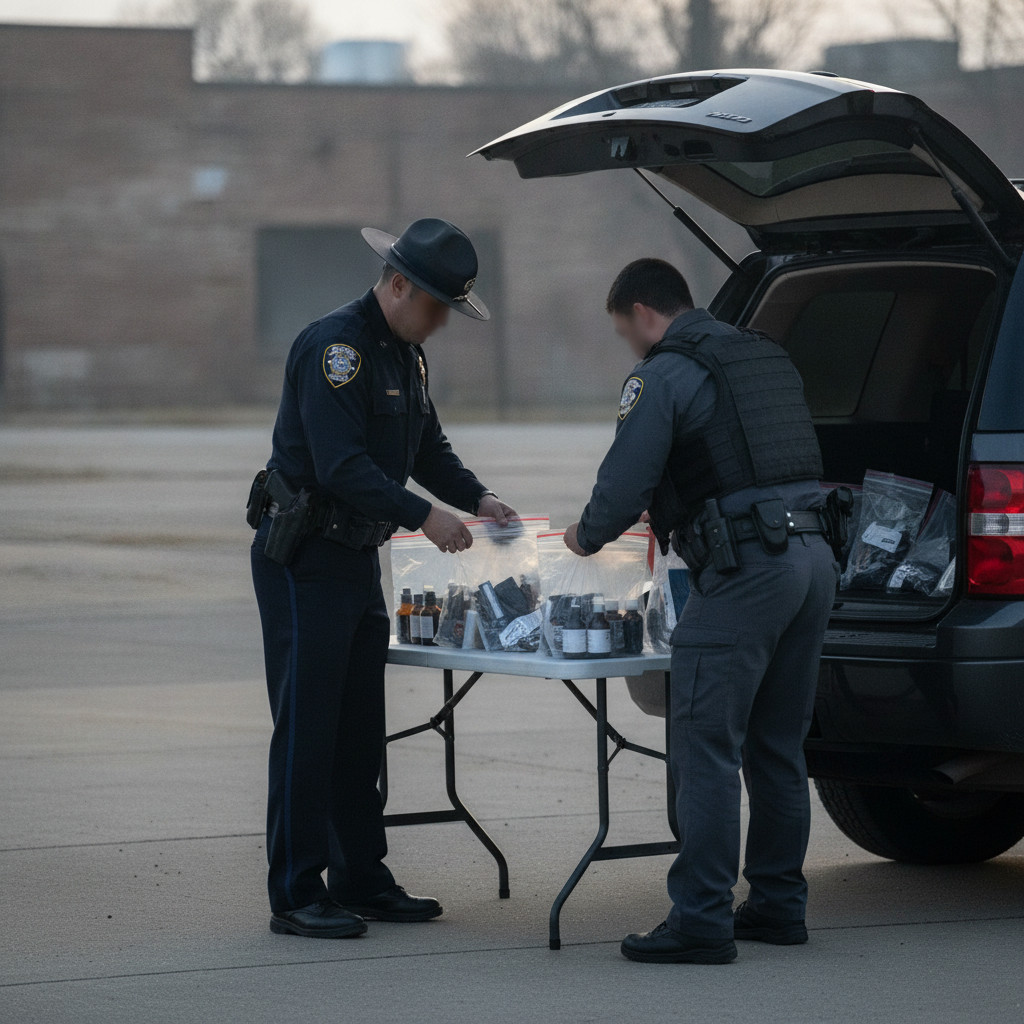
State and Federal Agents Seize THC Products In Arkansas, in a sweeping operation that removed thousands of unregulated items from retail shelves. Authorities seized over 7,600 illegal cannabinoid and nicotine products. They also uncovered vaporizers, THC-infused edibles, hemp and suspected cannabis flower, plus untaxed tobacco. Because public safety was at risk, investigators from the Arkansas Department of Finance and Administration and the Drug Enforcement Administration acted quickly.
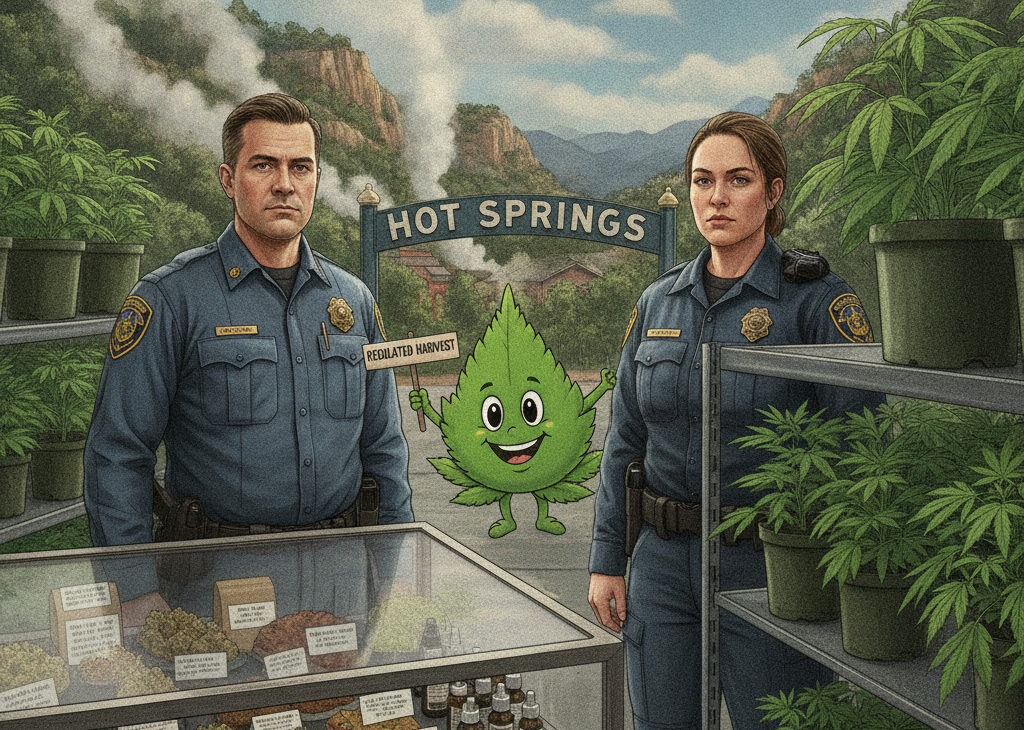
This Arkansas drug enforcement operation targeted 28 shops across central Arkansas, northwest Arkansas and Hot Springs. However, the case matters beyond seizures because it highlights gaps in compliance and illicit supply chains. As a result, regulators promise more inspections, tighter enforcement and fuller education for permit holders. The action sends a clear message to consumers and businesses about legal limits, product safety and tax compliance.
The story raises questions about retail oversight and the rise of hemp THC products in Arkansas markets. Therefore, readers should watch evolving rules and understand the risks tied to unregulated THC items. We will unpack what happened, who was involved and what comes next.
State and Federal Agents Seize THC Products In Arkansas: Context and Background
The recent operation followed months of enforcement and legal shifts in the state. Because Arkansas tightened restrictions on hemp derived THC products in 2023, regulators began focusing on retailers selling non compliant items. As a result, investigators targeted shops suspected of offering intoxicating hemp products that exceed legal THC limits.
Arkansas drug laws now treat many hemp derived intoxicants differently than before. However, the law has faced court challenges and federal scrutiny. For background on the ban and litigation, see Ganjapreneur for a timeline and legal analysis.
Key facts from the recent raids show the scale and variety of products seized. The DFA reported visits to 28 stores across central Arkansas, northwest Arkansas and Hot Springs. The agency listed thousands of items removed for being illegal or untaxed. For the agency report and official details, see the DFA news archive.
- 7,636 total illegal cannabinoid and nicotine products seized
- 5,640 illicit vaporizers removed
- 1,214 non compliant e liquids taken off shelves
- 314 hemp THC products and 57 THC edibles seized
- About three pounds of suspected cannabis or hemp flower confiscated
- 411 untaxed tobacco products found
Law enforcement faces several repeat challenges. First, product labeling often misleads buyers about THC content. Second, supply chains cross state lines and blur legal jurisdiction. Third, synthetic cannabinoids and delta variants complicate enforcement because labs must verify potency.
Therefore, THC product seizures test both regulatory clarity and enforcement capacity. Because public health and tax compliance intersect, agencies coordinate audits and criminal probes. Local reporting on the raid is available at KAIT8, which outlines the operation and community reaction.
In short, this case sits at the crossroads of changing law, market demand and regulatory limits. It shows how legal THC limits and Arkansas drug enforcement adapt to new product types and distribution models.
State and Federal Agents Seize THC Products In Arkansas: Product Comparison
Below is a quick comparison of common THC product types seized in Arkansas. The table shows THC ranges, legality status and why agents often remove them.
| Product Type | Typical THC Content Range | Legality Status in Arkansas | Typical Reasons for Seizure |
|---|---|---|---|
| Vaporizers and cartridges | Often labeled 0.3% to 90% THC; actual potency varies | Often illegal if potency exceeds 0.3% or contains intoxicating hemp variants; many found noncompliant | Mislabeling; delta variants; untaxed sales; unregistered products |
| THC-infused edibles | From trace amounts up to 100 mg per package | Frequently illegal when containing intoxicating hemp THC or lacking proper registration | unlabeled dosing; youth appeal; counterfeit branding; unregulated ingredients |
| Hemp THC concentrates (oils, dabs) | Typically 5% to 90% THC | Often illegal when above legal hemp limits or when derived from banned intoxicants | High potency; ambiguous origin; requires lab testing |
| Hemp or cannabis flower | About 0.3% (hemp) to over 20% (cannabis) | Illegal when showing cannabis-level THC or sold as intoxicating hemp | Suspected cannabis; exceeding legal THC limits; untaxed |
| E-liquid and vape juices | 0% to high single digits or higher when additives present | Noncompliant when containing added intoxicating THC or untested synthetics | Misleading labels; synthetic cannabinoids; tax violations |
| Untaxed tobacco and hybrid products | Not applicable for THC; may include infused variants | Tobacco items illegal when untaxed; hybrids illegal if they contain THC | Tax evasion; improper mixture; misbranded products |
Community impact of THC product seizures
Seizures like these ripple through Arkansas towns. They change retail choices and alter trust. For consumers, access to unregulated products ends suddenly. However, some buyers may seek online or illicit channels. That shift can increase safety risks and reduce product traceability.
Local businesses face immediate economic effects of THC seizures. Stores lose inventory and sales revenue. In some cases, regulators suspend licenses or issue fines. As a result, employees may lose hours or jobs. Smaller shops feel the hit more than larger chains.
From a public health view, enforcement aims to reduce harm. Regulators remove mislabeled or potent items. They also stop products that appeal to youth. However, increased enforcement can strain community relations. Officials must balance safety with clear guidance and outreach. The DFA and federal partners emphasize education alongside raids here. Local reporting shows community concern over sudden shop closures here.
Economic effects of THC seizures extend beyond shops. Tax revenues fall when untaxed sales stop. Yet compliance enforcement can protect honest businesses. It can level the playing field for lawful operators. Moreover, courts and labs add costs to the system.
Key takeaways
- Community impact includes disrupted consumer access and market shifts
- Arkansas THC enforcement can save lives but reduce local revenue short term
- Businesses face fines, lost stock, and possible license actions
- Public health and law enforcement must communicate clearly to reduce harm
In short, seizures have complex social and economic outcomes. They protect public safety. They also demand careful community outreach and fair enforcement.
Conclusion
This sweep removed thousands of unregulated THC products from retail shelves. Agents targeted 28 stores and seized vaporizers, edibles, concentrates and untaxed tobacco. The action shows enforcement focus on mislabeling, potency and tax violations. Because the legal landscape keeps changing, businesses and consumers need to stay alert.
Regulators now balance criminal probes with compliance education and public health outreach. However, sudden seizures can strain small businesses and disrupt local markets. Therefore, informed buying and clear labeling matter more than ever. MyCBDAdvisor serves as a full spectrum, research driven CBD knowledge source. Visit MyCBDAdvisor for reliable, easy to understand cannabinoid information for consumers and professionals.
Consumers should verify certificates of analysis before purchase. Also, buyers must avoid products with vague labeling or sensational claims. Businesses should keep records and work with labs to confirm potency. Finally, regulators and retailers must communicate clearly to protect public health. Together, these steps reduce risk and improve market transparency. Stay informed and follow updates as Arkansas enforcement and rules evolve.
Frequently Asked Questions (FAQs)
What products did authorities seize in the Arkansas raids?
State and federal agents removed thousands of items from retail shelves. These included vaporizers and cartridges, e liquids and e juice, THC infused edibles, hemp concentrates and suspected cannabis flower. Officials also took untaxed tobacco and hybrid products. In total, investigators reported more than 7,600 illegal cannabinoid and nicotine items across 28 stores.
Are those products illegal under Arkansas law?
Many items become illegal when they exceed legal THC limits. Arkansas generally defines hemp as 0.3 percent delta nine THC or less. However, intoxicating hemp variants and certain delta derivatives can fall outside that limit. As a result, the legal implications in Arkansas cover potency, proper labeling and vendor registration.
Can consumers face penalties for buying seized products?
Consumers rarely face prosecution for ordinary purchases. However, possession of products containing cannabis level THC can carry legal risk. Therefore, buyers should avoid items with vague labels or unknown origins. For consumer safety, save receipts and ask sellers for lab certificates and batch information.
How do THC product seizures affect local communities and businesses?
Seizures hurt small business revenue and local tax receipts. Shops lose inventory and may face fines or license actions. At the same time, Arkansas THC enforcement aims to protect public health and stop untaxed sales. Ultimately, the community impact depends on enforcement balance and follow up education.
How can consumers check product safety before they buy?
Ask the retailer for a certificate of analysis from an accredited lab. Check batch numbers, manufacturing dates and clear dosing on labels. Prefer licensed sellers and documented supply chains. Finally, avoid sensational marketing or products that lack verifiable lab results.