
Recreational cannabis sales began in August 2024 in Ohio, letting adults 21 and older purchase from licensed dispensaries and regulated retailers.
Under S.B. 56, Ohio cannabis possession limits 2026 include legal possession of up to 2.5 ounces of flower and up to 15 grams of extract. Home cultivation is limited to six plants per adult with a twelve plant household cap. These rules and the new oversight structure are codified in Ohio Revised Code chapter 3796 and the home grow rule Section 3796.04.
If you rely on cannabis for medical reasons or need dosing guidance, consult the Division of Cannabis Control rules or a qualified clinician for up-to-date compliance and safety advice.
What are Ohio recreational marijuana laws 2026?
Ohio recreational marijuana laws 2026 let adults 21 and older buy from licensed dispensaries, possess 2.5 ounces, and use cannabis privately. In addition, adults may possess 15 grams of extract and grow up to six plants each, twelve per residence. S.B. 56 tightened rules on smoking, vaping, intoxicating hemp products, local bans, and cross state transport.
Possession & Cultivation
Adults 21 and older may legally possess up to 2.5 ounces of plant material and 15 grams of extract. Transfers without payment are allowed only within those possession caps and must occur on qualifying private property, so keep amounts and locations compliant. For the statutory language, see Ohio Revised Code §3796.221: Ohio Revised Code §3796.221.
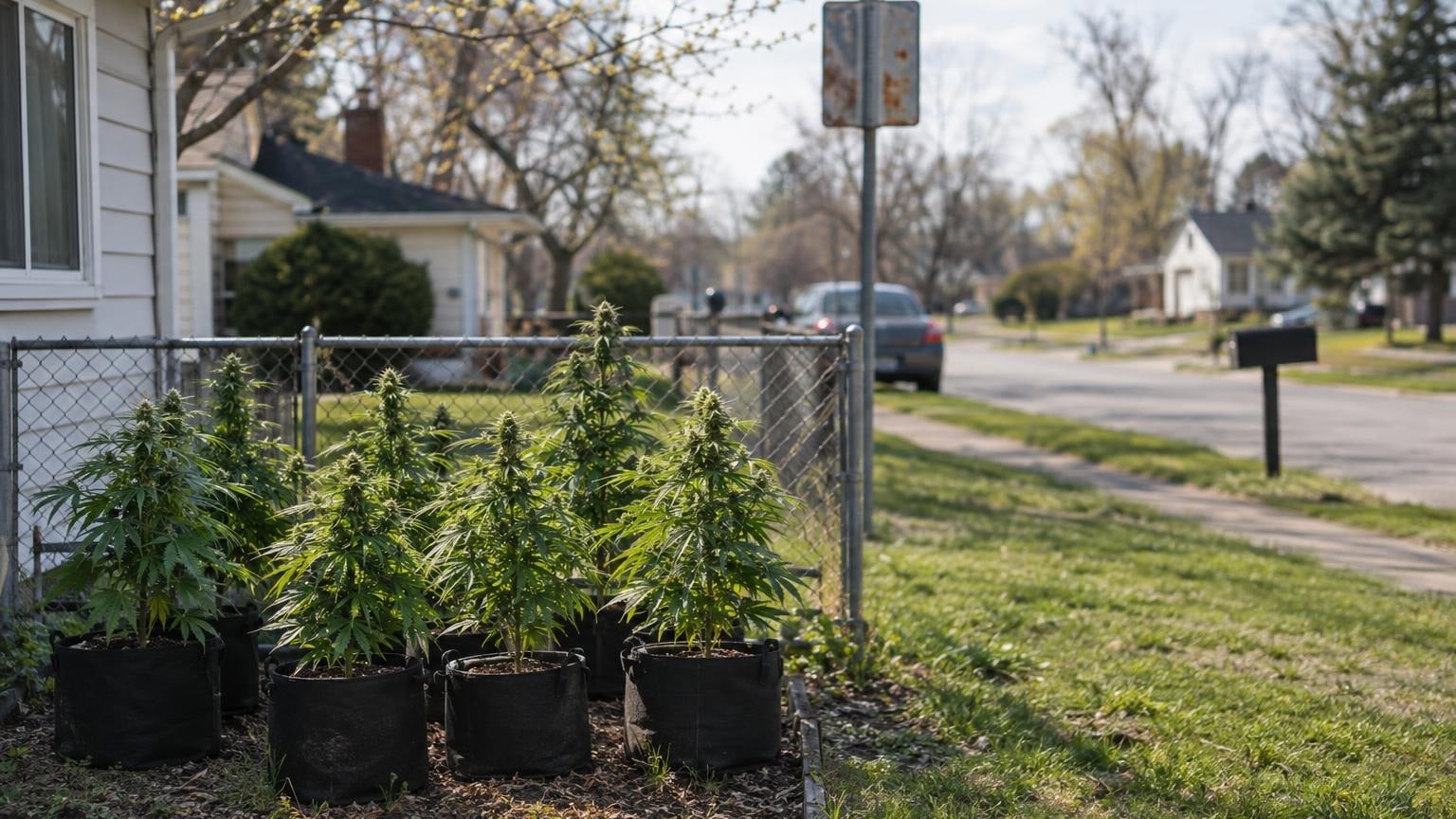
Home cultivation is limited to six plants per adult and a maximum of twelve plants per residence. Plants must remain for personal use and cannot be sold for profit. In addition follow labeling and storage best practices to reduce legal and safety risk.
Regulatory Oversight and licensing process
Senate Bill 56 moved oversight to the Division of Cannabis Control and clarified who issues licenses and enforces rules. Consequently the licensing process now includes application requirements, location buffers, and retail limits that affect access and market entry. Regulators also set product testing and safety standards, so prospective operators should prepare for compliance inspections.
For an accessible summary of the law and its intent, review the state summary of the new marijuana and hemp law: Ohio’s new marijuana and hemp law.
Intoxicating hemp and product testing
S.B. 56 tightened rules for intoxicating hemp such as delta‑8 and THCA, creating stricter labeling, sale restrictions, and testing mandates. Product testing and chain of custody requirements aim to assure potency and contaminant screening. For policy context and industry impacts, read an analysis of Ohio cannabis reforms and regional comparisons: Ohio cannabis reforms and regional comparisons.
Local bans, transport and penalties
Local governments may opt to ban dispensaries, which affects retail availability and travel plans. Driving while impaired remains a criminal offense, and transporting cannabis across state lines risks federal prosecution. Therefore follow local ordinances, maintain purchase records, and consult the Division of Cannabis Control or legal counsel for complex situations.
Regional law comparison
This regional cannabis law comparison 2026 table compares age, possession, home cultivation, and retail rules across nearby states to help readers spot differences.
| State | Age | Possession | Home cultivation | Retail |
|---|---|---|---|---|
| Ohio | 21+ | Possession: 2.5 oz; Extract: 15 g | Up to 6 plants per adult; Max 12 per residence | Licensed dispensaries since Aug 2024; local governments may ban |
| Michigan | 21+ | Possession: 2.5 oz; Extract: governed by state rules | Up to 12 plants per household | Licensed retail allowed; municipalities may restrict |
| Pennsylvania | No adult-use | Possession: unauthorized; criminal penalties possible | Not allowed statewide | No adult-use retail; medical program only |
| Indiana | No adult-use | Possession: illegal for adults | Not allowed | No retail; limited low-THC hemp products |
| Kentucky | No adult-use | Possession: recreational illegal | Not allowed | Medical-only sales or limited programs; no adult retail |
Sources: state statutes — Ohio revised code chapter 3796, Michigan adult-use act, Pennsylvania statute
5 Key Steps to Compliance with Ohio recreational marijuana laws 2026
- Follow Ohio recreational marijuana laws 2026: buy only if 21 or older from licensed dispensaries and carry ID.
- Know possession limits because you may legally hold up to 2.5 ounces and 15 grams of extract.
- Grow responsibly: limit home cultivation to six plants per adult and twelve per household.
- Avoid public use and driving; consume only at private residences because impairment carries penalties.
- Check local rules and intoxicating hemp product limits, since S.B. 56 allows local bans and stricter hemp controls.
Also remember employers can enforce drug free workplace policies, and a medical card may offer different protections for qualifying patients.
Therefore, keep purchases, cultivation, and transfers within statutory limits, and consult the Division of Cannabis Control or legal counsel for complex questions.
Finally, follow product safety advice, avoid cross state transport, and keep records of purchases to reduce legal risk.
If you rely on cannabis for medical reasons, consult Green Health Docs or another qualified clinician to discuss a medical marijuana card and safe dosing strategies under the new rules.
Stay updated as rules and enforcement evolve.
CONCLUSION
Understanding Ohio recreational marijuana laws 2026 matters for everyone who lives in or visits Ohio. Because S.B. 56 changed possession, vaping, and hemp rules, staying informed reduces legal risk. Responsible consumption protects health and community safety while supporting regulated markets.
Therefore follow possession, cultivation, and public use limits, and avoid crossing state lines with cannabis. In addition, employers may enforce workplace policies, so plan use accordingly. Medical patients should consult clinicians for dosing and documentation.
For ongoing updates and practical guidance, check myCBDadvisor. Finally, use reliable sources and professional advice to navigate evolving rules with confidence. Therefore stay current with Division of Cannabis Control guidance and local ordinances. This helps communities benefit from safe, regulated adult-use cannabis.
Frequently Asked Questions
What are the legal possession limits in Ohio?
Adults 21+ may possess up to 2.5 ounces of cannabis and 15 grams of extract.
- Home grow limit: six plants per adult and 12 per residence; see Ohio code: Ohio code
Where can I buy legal recreational cannabis?
Only at state licensed dispensaries; municipalities can ban stores.
- Licensing and rules: Division of Cannabis Control
What penalties apply for violating the laws?
Violations can lead to criminal charges, fines, or felony exposure.
- Common offenses: DUI, unlicensed sales, interstate transport
How did S.B. 56 change hemp and intoxicating products?
S.B. 56 tightened hemp definitions and controls on intoxicating cannabinoids like delta-8 and THCA.
- Result: stricter labeling, testing, and sale restrictions
Do I need a medical card for protection or access?
A medical card offers different access and documentation but is not required for adult-use purchases.
- For health questions consult a qualified clinician
Are there taxes on recreational purchases?
Yes; Ohio levies a 10% excise tax on adult-use marijuana plus applicable sales taxes.
- Local taxes may also apply; check receipts
How are intoxicating hemp products regulated?
Products above defined THC thresholds are treated outside the hemp framework and face stricter controls.
- See the revised code and Division guidance for details
Related on CBD Advisor
- How cannabis legislation shapes Idaho, Wisconsin, Ohio
- Idaho ballot measure to limit cannabis legalization to lawmakers
- Will Wanda James congressional bid and cannabis legalization pass